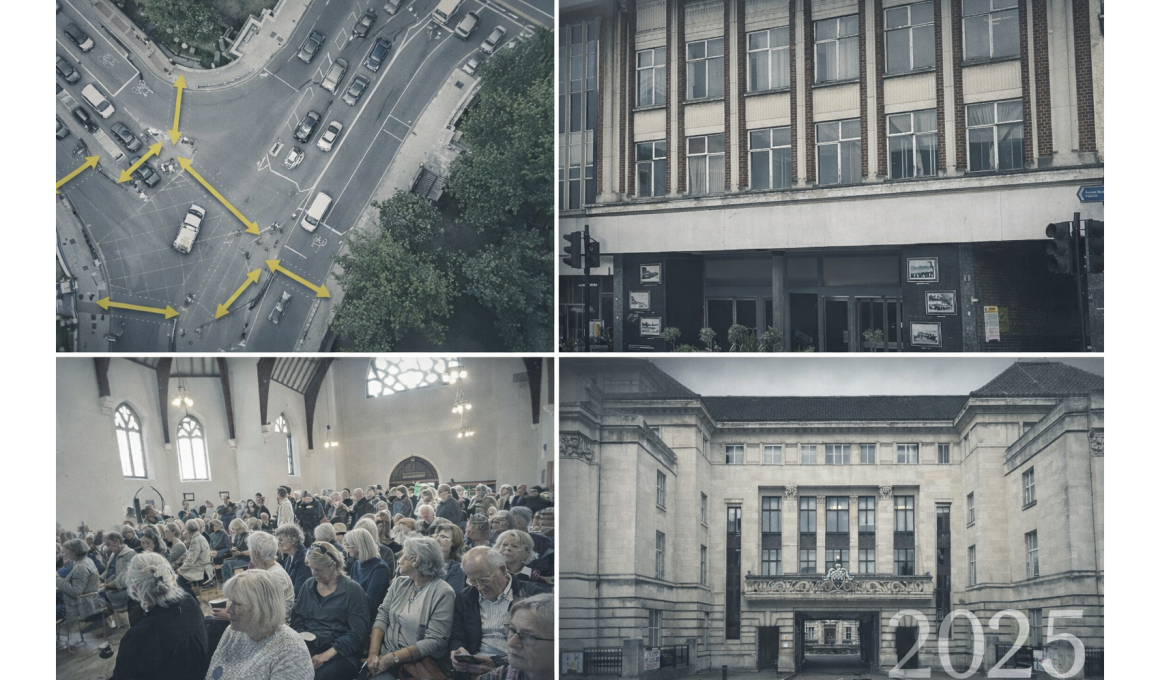
Looking back at 2025, it’s hard to know where to start.
Was it the year Putney Bridge junction became the most complained-about piece of road in London? The year M&S finally announced they’d return after seven years of empty storefront? The year squatters moved from building to building along the High Street while property owners scrambled to catch up?
Or maybe it was simpler than that. Maybe 2025 was just the year residents got organised.
When 1,371 people responded to a community survey about the junction redesign in September, it forced Transport for London to admit they’d programmed the signals wrong. When 9,650 signatures opposed Queen Mary’s Hospital closure, it slowed the process enough to demand real consultation. When the Putney Action Group published a 41-page legal challenge, TfL finally committed to fixing what they’d broken.
Not everything worked. Not everything got solved. But something shifted. Residents stopped treating problems as inevitable and started treating them as solvable, if you documented the evidence, organised the response, and kept up the pressure.
This is what that looked like across twelve months.

When Roads Became Battlegrounds
The junction at Putney Bridge had been redesigned at a cost of £835,000. Transport for London and Wandsworth Council called it an improvement. Residents called it something else entirely.
When the Putney Action Group conducted a systematic survey of 1,371 local residents in September, 86% called the redesign a complete failure. The numbers weren’t close: this was rejection so overwhelming it couldn’t be dismissed as the usual resistance to change.
The survey results forced TfL to admit what residents had been experiencing for months: the signals had been programmed wrong from day one, costing drivers 10-21 seconds of lost green time per cycle. Further investigation revealed TfL had rejected safer “CYCLOPS” junction designs that would have better protected cyclists, choosing instead to prioritise bus flow and cycling infrastructure in ways that created gridlock.
By September, residents weren’t just complaining, they were organising. The Putney Action Group published a 41-page professional report that cited specific Traffic Management Act violations, demanded concrete timelines for Hammersmith Bridge solutions, and explicitly threatened crowdfunded legal action if the council failed to act. The document included detailed statutory obligations, health impact documentation showing 89 reports of asthma and breathing difficulties, and accessibility arguments about how current layouts discriminated against disabled residents who rely on cars.
Changes
In October, after months of pressure, TfL finally committed to action. On October 27, they would install new traffic control chips to adjust signal timing based on real-time data. They would remove or relocate four problematic bus stops that created chokepoints, including stops on Lower Richmond Road where buses conducting driver changeovers blocked entire traffic lanes.
But the real test wasn’t whether TfL made tactical adjustments. It was whether the fundamental approach to transport planning would change. The 763-person follow-up poll in November revealed 89% of residents hadn’t even known TfL had rejected safer designs. 80% called the lack of public consultation before construction “unacceptable.” When asked who should be held accountable for signal programming failures, 47% said “shared responsibility across all parties”, but 24% blamed the council directly.
What started as traffic complaints had become something larger: a documented case study in how transport policy gets imposed without meaningful resident input, and what happens when communities decide to fight back with organised evidence rather than scattered frustration.
Tragedies That Demanded Answers
The woman in her 70s was struck and killed at 5:30pm on a Monday in May, at the East Putney pedestrian crossing during rush hour. Transport for London had already drawn up plans to widen that exact crossing and extend the signal timing. The consultation had closed two months earlier. But the improvements sat in bureaucratic limbo while residents warned the lights were dangerously short, the green man disappeared too quickly, and elderly pedestrians couldn’t cross in time.
By December, seven months after the death, workers were finally installing new countdown signals at the crossing. One person was dead. A community was asking why safety improvements required a tragedy to force action.
But the pedestrian death at East Putney wasn’t the only loss that 2025 forced Putney to confront.
Trio tragedy
Three Mondays. Three bridges. People in crisis.
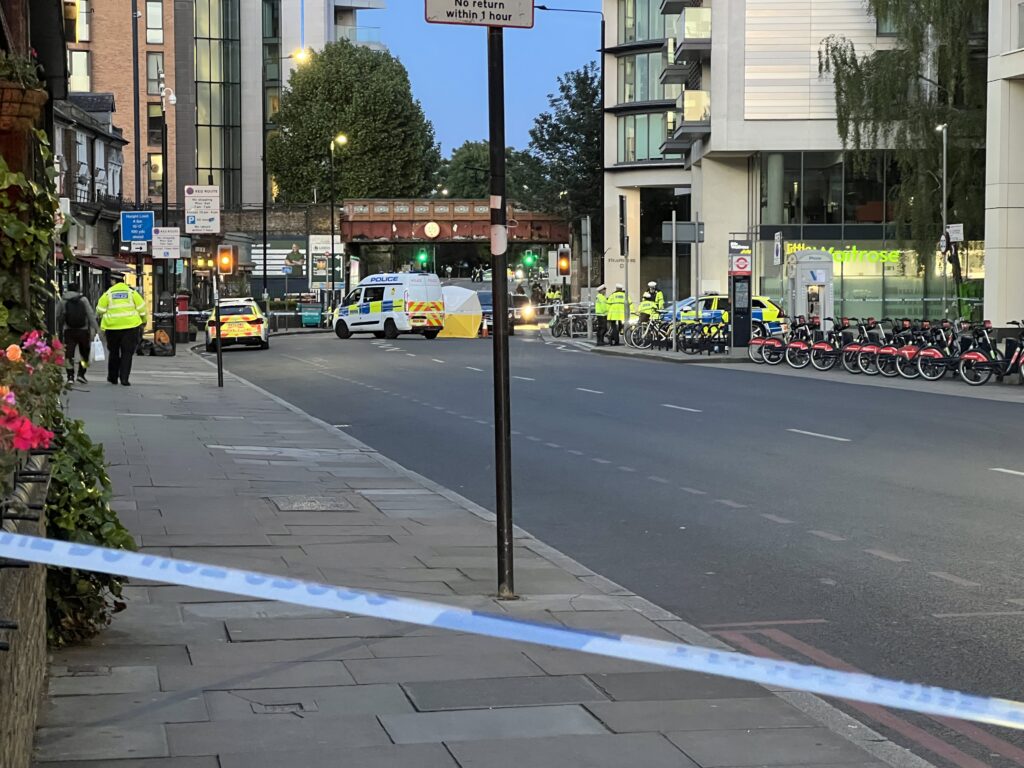
March 31: Putney Bridge shut down for hours during a tense police negotiation. Someone ready to jump. Officers talking them back from the edge. Eventually detained safely.
April 14: Charlwood Road railway bridge closed in both directions. Emergency services responding. Another person threatening to jump. Reports limited, but the pattern emerging.
April 21 (Easter Monday): A person struck by a train near Putney Station. The station closed for hours, emergency services cordoning off the area, paramedics and police attending. By morning, British Transport Police confirmed what witnesses feared: someone had been pronounced dead at the scene. “The incident is not being treated as suspicious,” they said. “A file will be prepared for the coroner.”
The pattern demanded scrutiny not just of individual cases but of what happens after crisis interventions, what support exists for people in sustained distress, and whether anyone was connecting the dots.
Healthcare Pushed Further From Reach
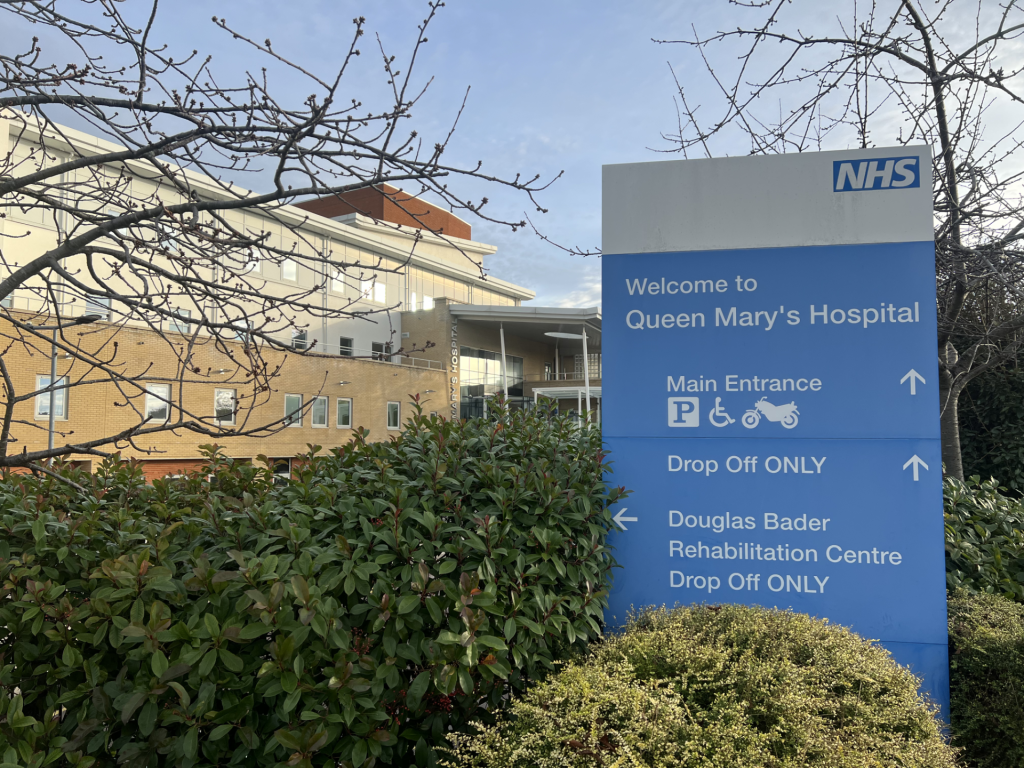
In August, staff at Queen Mary’s Hospital learned from colleagues (not management) that the minor injuries unit would close.
The unit handled 44 appointments daily. For residents dealing with sprains, minor fractures, burns, and wounds that needed attention but weren’t emergency-room-level crises, Queen Mary’s provided accessible local care. Losing it meant longer journeys to A&E, adding pressure to already-strained emergency services and making urgent care less accessible for those who most needed it nearby.
The £150 million deficit explanation didn’t address the fundamental question residents kept asking: why should we lose local services because the trust can’t manage its finances?
An opposition petition gathered 9,650 signatures. Formal consultation was expected but kept getting delayed. And with transport chaos making every journey longer, losing Queen Mary’s meant pushing urgent care even further out of reach, a perfect storm of compounding failures.
But the healthcare story of 2025 wasn’t just about service closures. It was also about quality oversight failures at the very institutions residents depended on when closures forced them elsewhere.
When St George’s Failed Its Patients
In April, the Nursing and Midwifery Council suspended Mark Barry, a Band 7 Emergency Nurse Practitioner at St George’s Hospital (Putney’s main A&E), for 12 months after finding more than 60 serious patient safety failures. The charges were damning: failing to properly examine patients, missing critical symptoms including chest pain that could signal heart attacks, documenting examinations never conducted, and failures in basic clinical assessment across multiple patients.
What made the case more troubling was St George’s response, or lack thereof. When Putney.news asked about its internal investigation, what steps had been taken to strengthen oversight, whether affected patients had been offered support, and what preventative measures were now in place, the Trust responded only that the staff member no longer worked there and they “cannot comment on internal investigations.”
For residents whose only NHS emergency department was St George’s (especially after Queen Mary’s minor injuries closure), the combination of service cuts and quality oversight failures represented a complete erosion of healthcare reliability. You couldn’t access local minor care, and when you reached the main hospital, there was no guarantee the systems existed to prevent serious clinical failures from continuing unchecked.
High Street: Decline, Revival, Everything Between
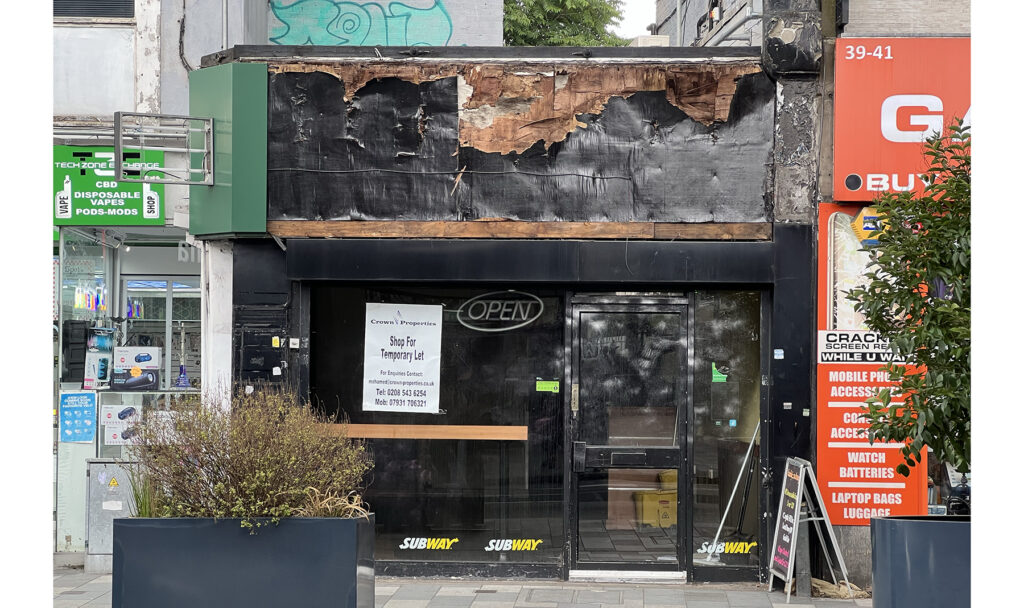
The year began with a paradox: M&S announcing a £90 million investment to return to Putney High Street in 2026, and squatters seizing multiple vacant properties just down the road.
The story of that closure revealed how dramatically retail economics had shifted. M&S had operated on Putney High Street since 1931 (87 years in the same location). When they announced closure in early 2018, it was framed as “necessary modernisation” amid changing shopping habits. All 62 staff relocated to nearby stores. The building went dark.
The “Save The High Street” campaigns emerged from this frustration. By 2022, community groups were organising. In 2024, Putney.news editor was pointing out that “the most common kind of shop on Putney High Street is actually a closed one”, with 22 shops standing empty at one point.
By 2025, the pressure was working. M&S’s return announcement in January validated years of community advocacy. The £90M investment signalled confidence in Putney’s retail future, though the seven-year vacancy highlighted how long property disputes could paralyse prime locations.
Kashmir Restaurant closed in May after a landlord dispute, the award-winning spot’s heartfelt farewell showing how even successful businesses struggled against rising rents and property pressures. Putney’s nightlife took a double hit when Simmons followed Be At One’s closure, victims of rent hikes and licensing rules steadily draining evening entertainment from the area.
The empty properties became opportunities, but not in ways anyone anticipated.
The Four-Month Squatter Crisis
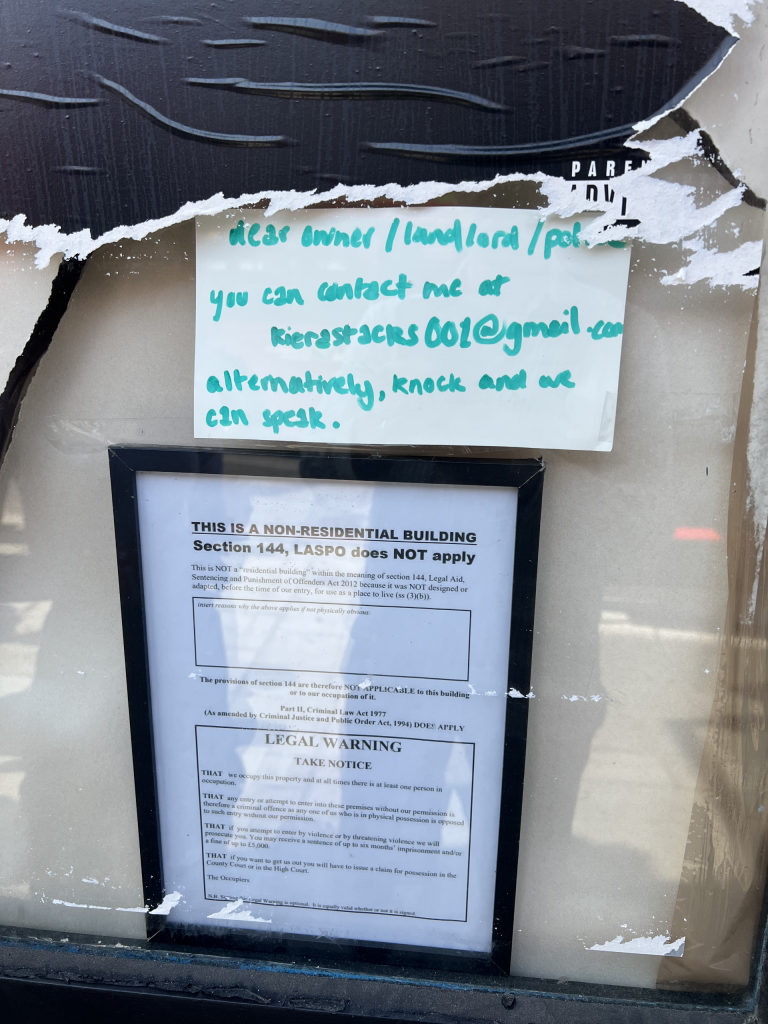
The White Lion pub, closed since 2020, became Putney’s ground zero for organised squatting in April 2025. What started as one occupied building escalated into a four-month crisis that exposed how property owners’ failure to secure vacant sites created cascading problems for entire neighbourhoods.
By early June, neighbours were reporting “eight weeks of hell“: sleepless nights, threats, property damage. Landlord Gordon D’Silva urged police to act, warning of “dangerous delay.” But the mechanics of displacement were already visible: when High Court bailiffs finally repossessed the White Lion on June 25, squatters simply carried their belongings straight into the Boilermaker. Clear one property, they seized another.
The pattern revealed a fundamental gap in enforcement: police could arrest for breaking and entering but struggled with legal complexities once squatters established occupation. Property owners had to pursue lengthy court proceedings. Meanwhile, squatters moved between empty buildings faster than any legal process could respond.
The crisis wasn’t just about individual buildings. It was about property owners who left sites vacant without adequate security, creating opportunities for organised occupation. It was about legal frameworks that gave squatters rights once inside while providing limited tools for rapid removal. And it was about how chronic High Street vacancy creates cascading problems when properties sit empty long enough to become targets.
Gradual victory
By September, most occupations had been cleared through court orders and increased security. But the episode left questions about who bears responsibility when empty properties become community problems. Should landlords face consequences for inadequate security? Should planning rules address long-term vacancy? What happens when legal protections for squatters collide with neighbourhood stability?
The four-month crisis revealed gaps between property rights, enforcement capabilities, and community impact, with empty High Street buildings as the contested ground where all three collided.
By September, most occupations had been cleared through court orders and increased security. But the episode left questions about who bears responsibility when empty properties become community problems. Should landlords face consequences for inadequate security? Should planning rules address long-term vacancy? What happens when legal protections for squatters collide with neighbourhood stability?
The four-month crisis revealed gaps between property rights, enforcement capabilities, and community impact, with empty High Street buildings as the contested ground where all three collided.
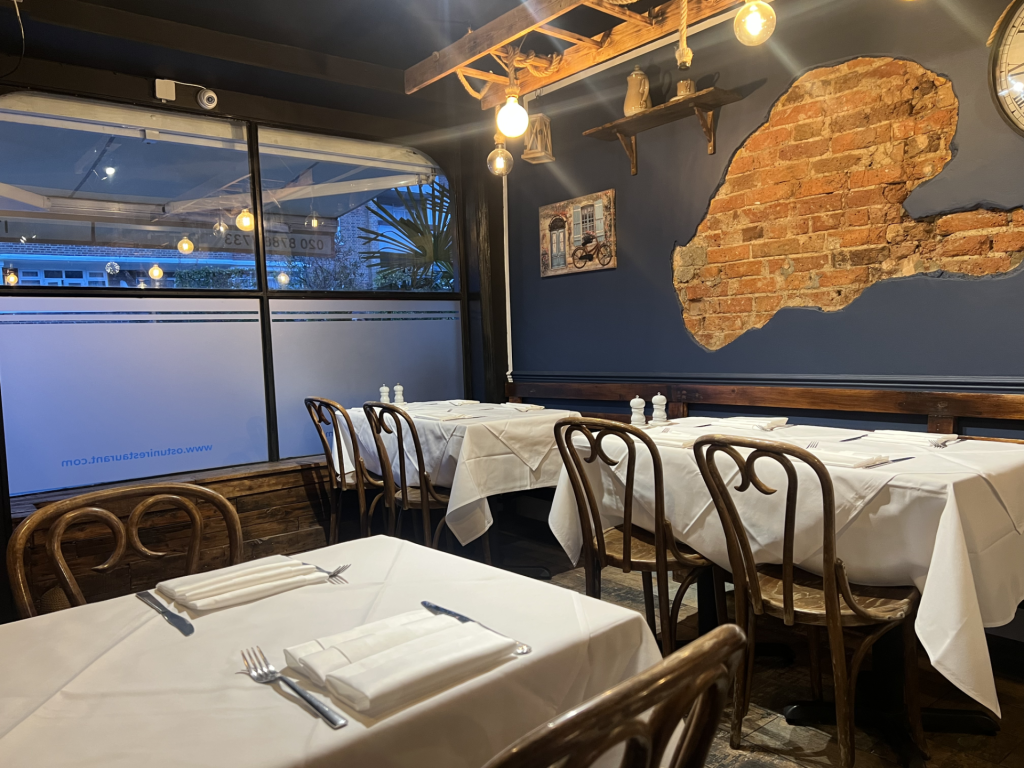
Ostuni’s transformation from La Casa Mia represented a high-risk gamble: replacing a struggling affordable Italian with upmarket ambitions and premium pricing. Opening night in October packed the dining room with skilled execution and sophisticated reimagining, dark grey and gold replacing bright yellow cheer, homemade pasta and confident technique justifying the upmarket positioning. But whether Putney could sustain another premium restaurant remained uncertain.
Development activity signalled longer-term transformation. The 10-storey hotel plans for Putney Bridge Road corner, approved in 2021 but dormant for years, reactivated in July with discharge of planning conditions. October brought actual demolition of the Preto/former Gadget Xchange corner, promising a 198-room hotel and new retail by 2028 but warning of significant traffic disruption throughout construction.
The September High Street fire sent 10 fire engines to battle a blaze that evacuated one person and created traffic chaos, a reminder that even amid debates about retail economics and development plans, basic safety infrastructure remained critical.
By year’s end, the High Street story defied simple narratives. Yes, closures continued. Yes, rents remained crushing. But renewal was happening, sometimes through premium repositioning, sometimes through creative space-sharing, sometimes through chain operators finding models that worked. Whether any of it represented sustainable recovery or just tactical adaptations to structural decline was the question 2026 would answer.
When Speaking Out Became Dangerous
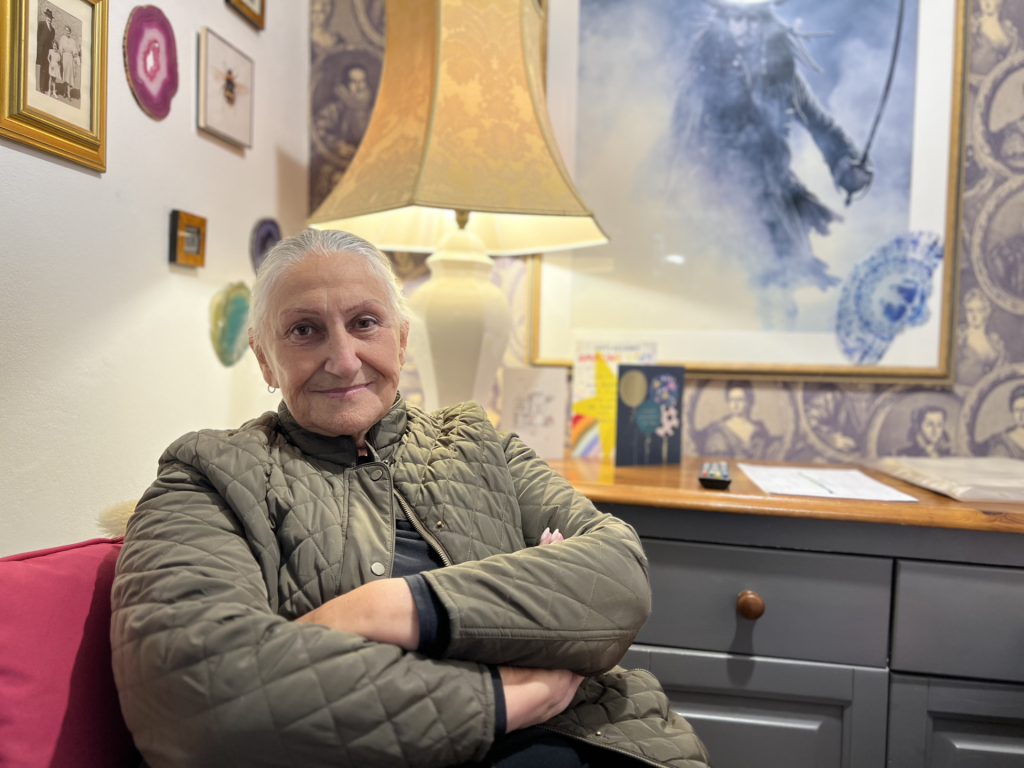
Frances Bird was 82 years old when Wandsworth Council threatened her with eviction over a Facebook comment.
The council tenant had criticized a housing officer’s conduct on social media. The criticism triggered formal eviction proceedings. The case exposed uncomfortable truths about power imbalances when officials control housing: how much authority they wield over those who depend on council accommodation, how little it takes to cross invisible lines separating acceptable criticism from threats to your home, and what happens when speaking out about institutional behavior carries risks most residents never have to calculate.
Bird’s case became a symbol for a broader dynamic visible throughout 2025: institutions making decisions affecting people’s lives while treating criticism as grounds for retaliation rather than feedback requiring response.
The same pattern appeared in how TfL handled junction feedback (initial defensiveness giving way only to overwhelming survey evidence), how the NHS approached service closures (staff learning from colleagues rather than management communication), and how transport officials responded to residents warning about dangerous signal timing (improvements languishing until tragedy forced action).
For those without Bird’s precarious dependence on institutional goodwill, voicing frustration carried minimal risk. For council tenants, the calculus was different. The eviction threat reminded everyone that not all residents could afford to speak up when something went wrong.
Battle for Wimbledon Park
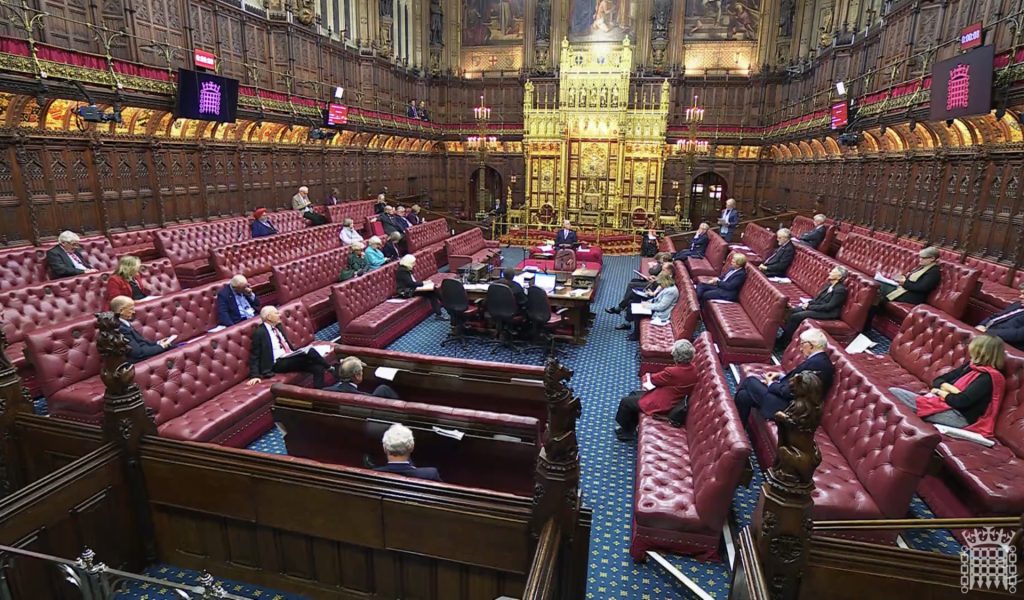
Lord O’Donnell sat on the All England Lawn Tennis Club board while pushing legislation to help the club’s legal case over Wimbledon Park development. He had received an £86,000 payout while maintaining these positions. The conflict was so blatant it couldn’t be defended with technicalities.
When cross-party opposition in the House of Lords condemned the “erosion of green space protection” his proposed amendment represented, the measure was abandoned in November. The defeat proved organised resistance works, but only when conflicts become too obvious to explain away.
The Wimbledon Park battle revealed dynamics visible across 2025’s most significant fights: powerful interests pushing through plans that benefited them, residents organising systematic opposition, and accountability emerging only when evidence became impossible to ignore.
Moments That Reminded Us Why We’re Here
Amid infrastructure failures and institutional battles, 2025 also delivered moments of ordinary grace.
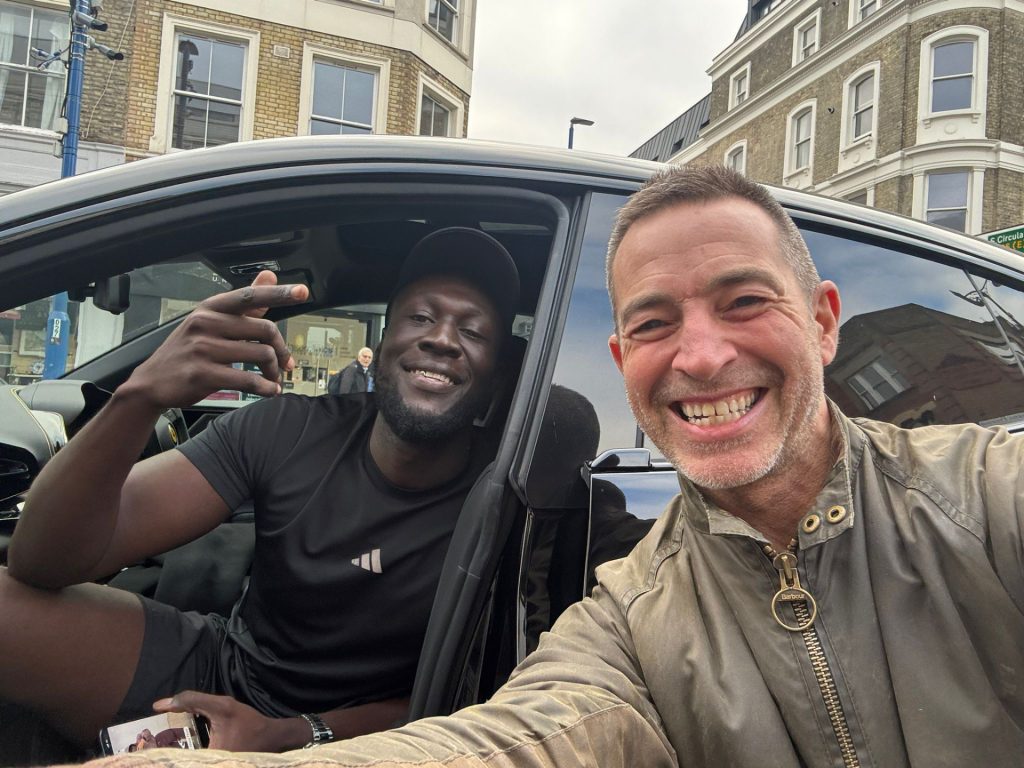
When Stormzy’s Ferrari ran out of petrol in Putney traffic one Friday morning, the grime artist spent 40 minutes taking photos and chatting with locals stuck in the same gridlock. No performance, no spectacle, just shared experience of traffic that affects everyone regardless of fame or success.
Absolute Bowie filled The Half Moon with multi-generational energy: twenty-somethings pressed against the stage, older fans reminiscing at the bar, some who remembered the venue’s 1960s heyday when the Rolling Stones and Elvis Costello played the same room. The Australian tribute band delivered faithful recreations that turned nostalgia into living experience, proving Putney’s music scene still connected when venues and acts understood what audiences were hungry for.
These moments didn’t solve infrastructure crises or reverse institutional failures. But they reminded residents why community matters, why fighting for accessible healthcare and safe crossings and accountable governance isn’t abstract advocacy but protection of daily experiences that make a place worth defending.
Political Turbulence
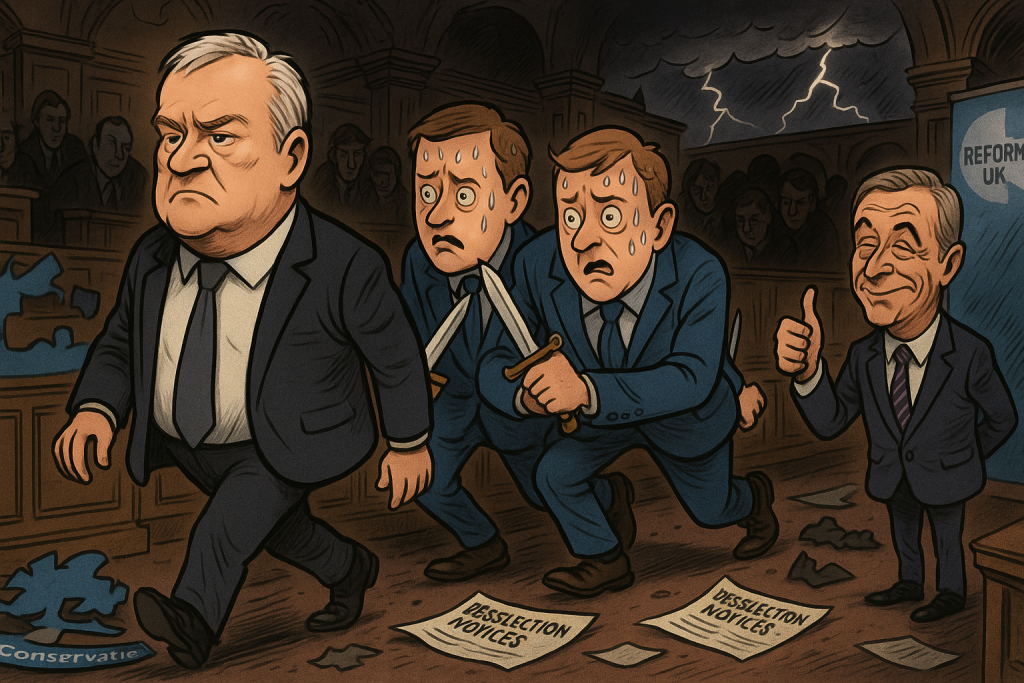
Wandsworth Conservative councillor Mark Justin’s defection to Reform UK in August exposed brutal internal battles over leadership playing out while residents watched governance dissolve into factional fighting. The party civil war revealed in public what many suspected privately: behind council chambers’ performative unity, power struggles were consuming energy that should have been directed toward actual governance.
The defection mattered less for its immediate impact than for what it symbolized about institutional focus in a year when residents needed officials solving real problems rather than managing internal conflicts.
Looking Ahead
The shift that mattered most wasn’t captured in numbers: residents stopped treating institutional failures as inevitable facts requiring acceptance and started treating them as problems requiring organised response.
The question for 2026 isn’t whether more challenges will emerge. Victorian infrastructure will continue aging, NHS finances won’t suddenly improve, development pressures won’t ease, and councils won’t spontaneously become more transparent. The question is whether the organising and accountability visible in 2025 becomes normal rather than exceptional.
Will TfL learn from forcing through unwanted designs? Will Queen Mary’s closure galvanize sustained pressure on NHS decision-making? Will M&S’s return signal genuine recovery or just fill one visible gap? Will Frances Bird’s case make councils think twice about silencing criticism? Will the Putney Action Group’s legal threat translate to concrete improvements?
2025 showed what’s possible when residents refuse to accept failures as inevitable: 1,371 people responding to a survey can force transport officials to admit they programmed signals wrong. 9,650 signatures can slow NHS closures enough to demand real consultation. Community campaigns can pressure retailers to reverse abandonment decisions. Organised evidence can expose conflicts so obvious they can’t be defended.
Whether any of that becomes lasting change or just another year of frustrated resistance depends on what happens when the organising energy of 2025 meets the structural realities of 2026. Regardless, we will keep pushing – as we are sure you will – to turn Putney into the best, friendliest and safest to place to live in London.
Happy New Year!
This review draws from 988 articles published on Putney.news throughout 2025, with a focus on the stories that attracted highest reader engagement. For ongoing coverage of the issues that matter to our community, visit putney.news.