


Transport for London will install new traffic control chips at the Putney Bridge junction on October 27, alongside plans to remove or relocate several problematic bus stops, following pressure from MP Fleur Anderson and frustrated residents.
The announcement came during a meeting Thursday evening between Anderson and senior TfL managers, where transport officials agreed to multiple measures aimed at tackling the area’s chronic traffic problems.
The new chips will be hardwired into the traffic lights and will adjust signal timing based on traffic flow data TfL has been collecting in recent months. The technology is designed to create better traffic flow patterns through one of south-west London’s most congested junctions.
“We’ve secured real action on the traffic problems that have been plaguing Putney for months,” Anderson told Putney.news on Friday. “TfL has not only committed to the new traffic light system but also agreed to deal with four bus stops that are major contributors to the congestion.”
Bottlenecks taken on
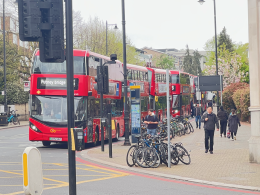
The bus stop changes target known bottlenecks across the area. TfL will modify stops at four locations: outside TK Maxx on Putney High Street, where stopped buses currently prevent traffic from reaching the main High Street junction; near the Putney Odeon cinema, identified as another chokepoint; and two stops on Lower Richmond Road closest to Putney Bridge, where buses conducting driver changeovers block the entire traffic flow.
One of the Lower Richmond Road stops will be removed entirely to improve traffic flow. While the move may frustrate some passengers who use these stops, transport officials believe the congestion relief will justify the inconvenience.
Anderson told us she is also pushing for a potentially significant change to bus operations, urging TfL to relocate driver changeover points from Lower Richmond Road to Putney Common – a solution residents have advocated for months. Currently, buses stopping for extended periods during driver shifts create substantial blockages on the already narrow Lower Richmond Road.
The contracts specify where changeover points are located, but TfL has powers to make temporary shifts to address congestion, Anderson noted. “I’m urging them to use those powers now.”
The October 27 installation date for the new traffic light system offers the first concrete timeline for addressing Putney’s traffic crisis, which has seen increasing complaints from residents and businesses about journey times and air quality.
TfL has not yet provided estimates for how much the new system might reduce journey times or when the bus stop changes will be implemented.
If the changes work, they won’t solve the fundamental traffic problems facing Putney, namely the fact that Hammersmith Bridge is still closed after six years, and a redesigned Putney Bridge junction prioritises buses and bicycles to such a degree that car congestion in unbearable, but they may provide some much-needed relief.



No question that the changes to the bus stops will help – but why did it take the residents to force this? Surely those responsible should have got it right? There is incompetence with no accountability. Changes to the traffic lights will make a difference – but how much remains to be seen. And if it eases traffic in one direction, presumably it creates a problem somewhere else – a bit like squeezing a ballon, the air just moves to a different spot. The main problem with Putney Bridge Rd is the bottleneck created by 10 yards of cycle lane; as long as that doesn’t change the congestion will continue.