London’s bus network lost 62 million passengers last year and is running £88 million below budget, according to papers Transport for London published this week. At the same board meeting, the Mayor accused people raising concerns about services of “scaremongering.”
The data was buried in TfL’s Period 9 finance report, covering performance to 6 December 2025. Bus journeys fell to 1.233 billion, down from 1.295 billion the previous year, a decline of 4.3 per cent against a budget that forecast 0.1 per cent growth. The bus network now costs taxpayers more than £1 billion a year in subsidy.
TfL’s own leaders know the problem is structural. Finance chief Patrick Doig told the finance committee in December that buses were in “year-on-year decrease in demand.” Board member Rachel McLean described it as “a more structural trend.” Chief operating officer Claire Mann acknowledged TfL needs to “find a way to make the bus subsidy lower.”
Doig added that TfL was projecting only “modest year-on-year growth of around 1 per cent per annum from next year onwards,” a forecast McLean’s own comments suggest the board finds optimistic.
Reassurance at the top, data underneath
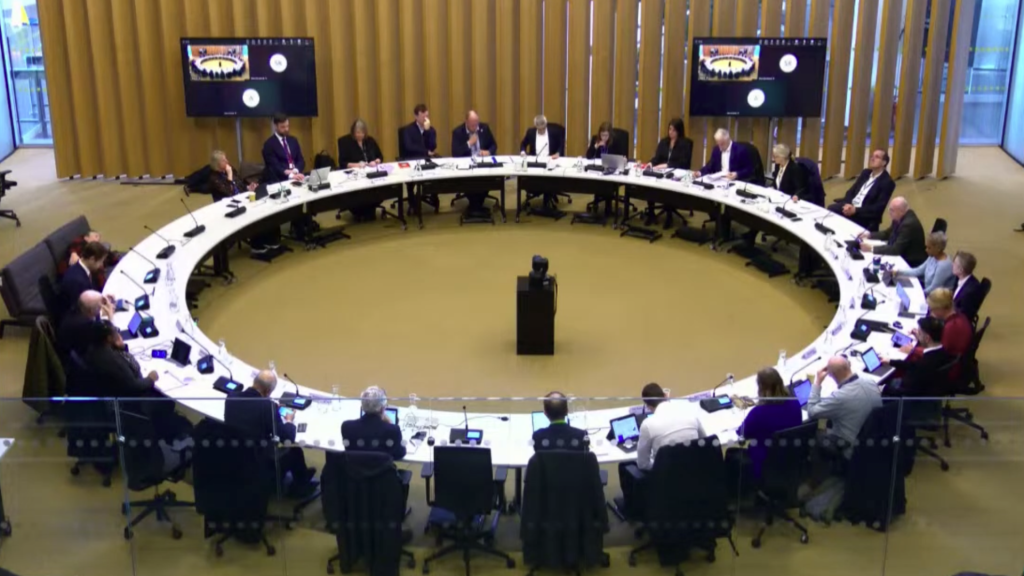
At the same meeting where those papers were published, the tone was very different. TfL board member Ross Garrod, who is also the Labour leader of Merton Council, told the meeting there were “bad faith actors that continue to whip up fear that these services will be withdrawn or the frequencies will change.” He said this was “causing some concern, particularly to vulnerable and elderly residents.”
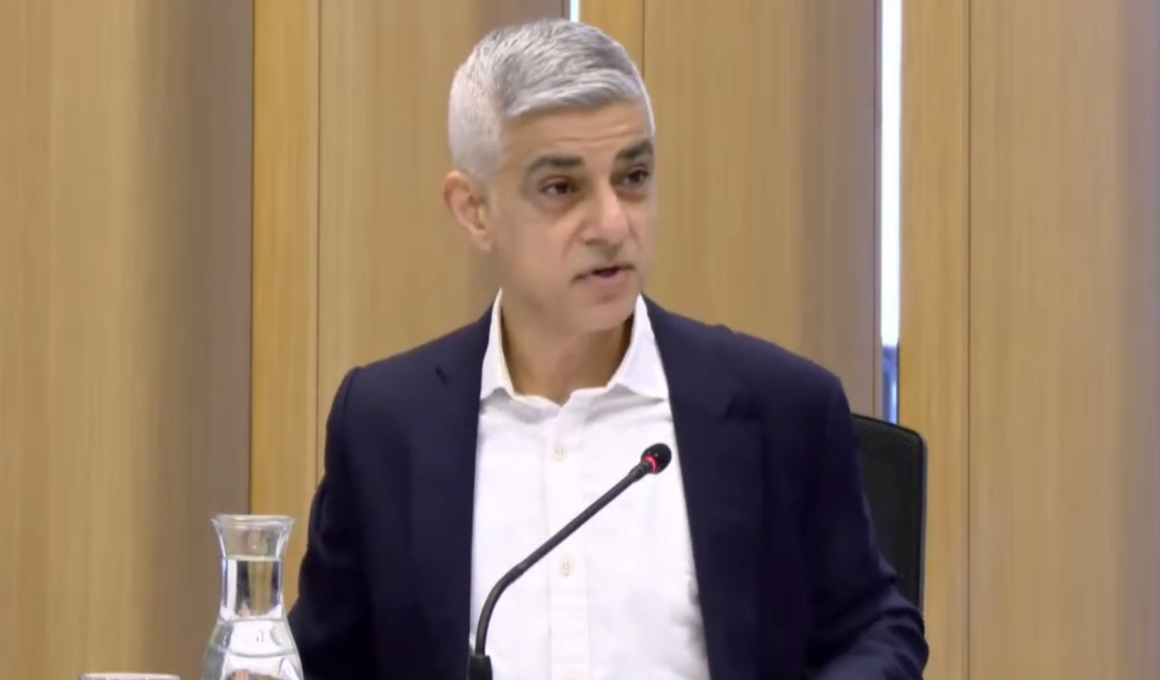
Mayor Sadiq Khan went further. “I’m really sorry your residents have been scared by mischief makers,” he told Garrod. “Because of your assiduous lobbying, we’re going to make sure that there isn’t a reduction in frequency. There won’t be services withdrawn.”
Mann offered a direct promise on route 93, the Putney service that triggered the exchange. “The routes will not be withdrawn,” she said. “There will be operators for those routes and the customer should see no difference.” She added that TfL had “already done the retender” and “already got bids back in.”
Commissioner Andrew Lord described the contract break clauses that triggered concern about route 93 as “quite normal,” saying similar breaks had “happened quite a lot over the last two or three years because of the economic situation.”
Lord is right that break clauses are normal. Go-Ahead confirmed in January it was exercising break clauses on London contracts, including routes serving Putney, and route 93 will probably survive this round. Mann says bids are already in. But when the last round of contract changes hit the area, route 28’s costs rose 54 per cent. The question is not whether one route survives a break clause. It is what happens to costs and services when operators keep walking away from a network in structural decline.
Three politicians, nine days, one playbook
The board meeting was the latest stage in an escalating pattern. On 27 January, Putney MP Fleur Anderson told constituents she was “glad to be assured that the 93 is safe.” Two days later, she posted on X describing factual reporting about Go-Ahead’s exit as “rumours circulating about the future of the 93 bus.”
Then Garrod raised it to “bad faith actors” at the board, and Khan raised it again to “mischief makers” engaged in “scaremongering.” Three Labour politicians, in nine days, reframed the story from “a bus company walked away because it was losing money” to “the problem is that people found out and got worried.”
Putney already knows what decline looks like
For residents who depend on buses, the national data confirms what a year of local reporting has documented.
Route 424 may be removed from Putney High Street because congestion makes it unworkable: a proposal that came week after the council claimed buses were getting faster. Route 14 averages 5.7 miles per hour through Putney, one of the slowest in a city already named the world’s slowest capital for bus speeds.
Frequencies on routes serving the area have been cut by up to 49 per cent, with route 378 nearly halved and route 22 down 29 per cent. Operators have been caught gaming curtailment statistics to hit bonus targets while dumping passengers short of their destinations. The council’s own transport officer has described the relationship with TfL as an “ongoing battle”.
None of this was invented by “mischief makers.” It is documented, sourced, and happening on routes people use every day.
What passengers can do
TfL’s board papers are public documents. The Period 9 finance report and the 2025 business plan are both available on TfL’s website. Residents can read the same data that was published on the day the Mayor dismissed their concerns. TfL board meetings are webcast and can be watched after the event.
With local elections three months away, every candidate standing in Putney should be asked a simple question: what is your plan for a bus network that costs a billion pounds a year and is losing passengers? Reassurance is welcome. Dismissing documented concerns as mischief-making is not a transport strategy.