Something unites almost every story we have written about Wandsworth’s green spaces, that cuts across parks policy and planning applications and biodiversity plans and allotment waiting lists. It is the question of who green space belongs to, and whose instinct is allowed to shape it.
This is Part 4 of Putney 2030, our series about what this corner of southwest London could look like by the end of the decade if civic ambition matched the borough’s potential. The previous pieces have been about specific things Putney lacks: a fourth Thames crossing, an activated waterfront, better pay for people willing to serve. This one is about something Putney has, and what it would take, in policy terms, to keep it and make it better.

Part 4: Green space, properly done
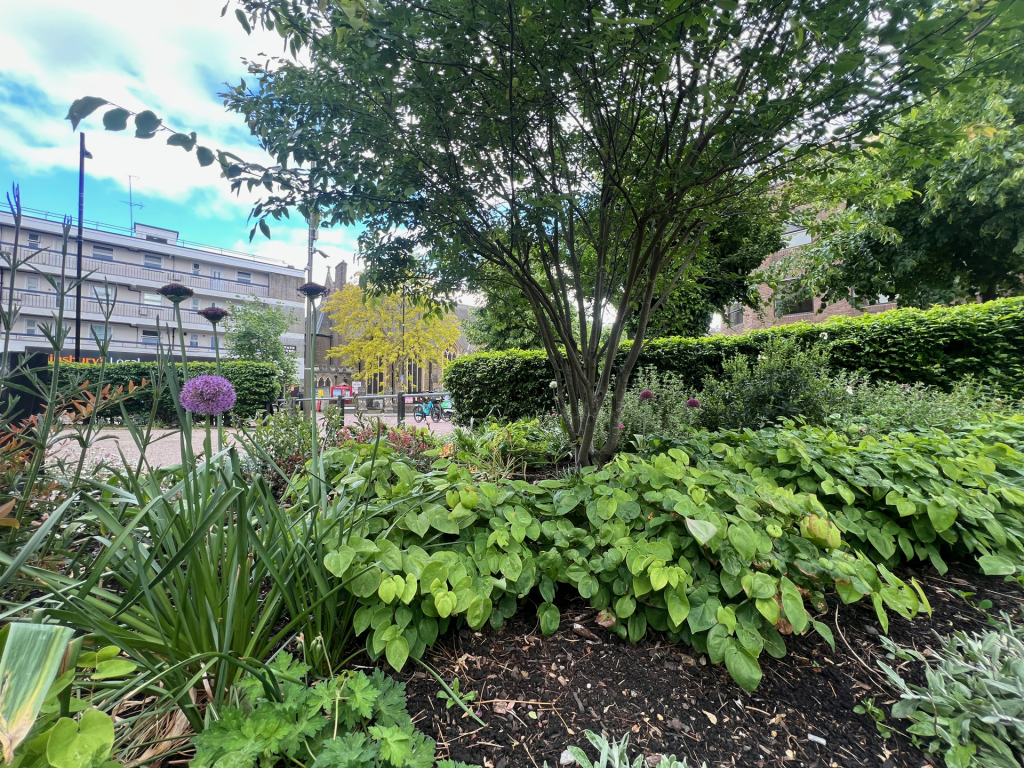
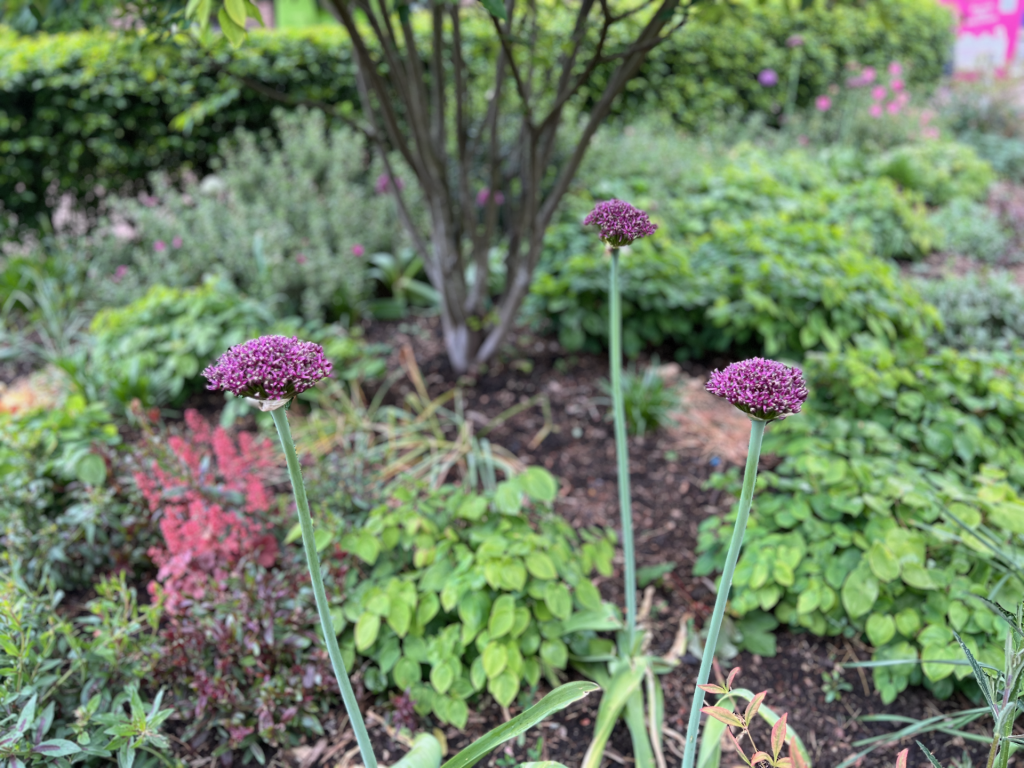
Walk through the Ashburton Estate on a May morning and you might not notice the orchard at first. A forest garden, an orchard, a composting corner, run entirely by residents. Putney Community Gardeners won a Wandsworth Civic Award for it in 2022. Nobody built it for them. They found the land, they put in the work, and the council (to its credit) helped them use it.
A few kilometres north, in central Putney, Putney Society volunteers have spent years encouraging residents to free paved-over front gardens. The GAPs initiative is quietly transforming them: window boxes, herbs, jasmine over concrete, bees where there were none. The Society’s Open Spaces Panel was awarded Outstanding, the top tier, at the RHS London in Bloom awards in October 2025 for turning what could have been a dead piece of concrete into a thriving community garden, working alongside JC Decaux, which owns the land and the huge advertising billboard that sits on it.
On the Dover House estate, the SW15 Hedgehogs group planted 80 metres of new hedging in collaboration with the council’s housing team. At St Michaels Foodbank Community Garden, volunteers won both the Community Food Growing and Most Vibrant categories at the inaugural Wandsworth in Bloom 2025.
Not all of it has been cultivated. Some of it has simply grown.
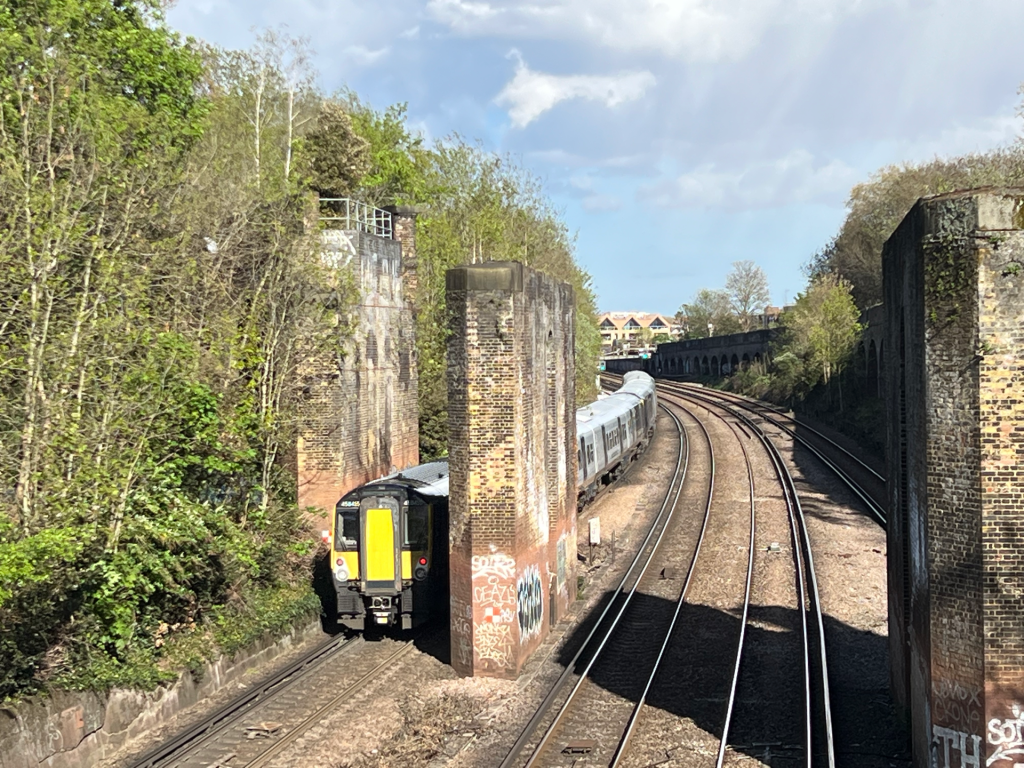
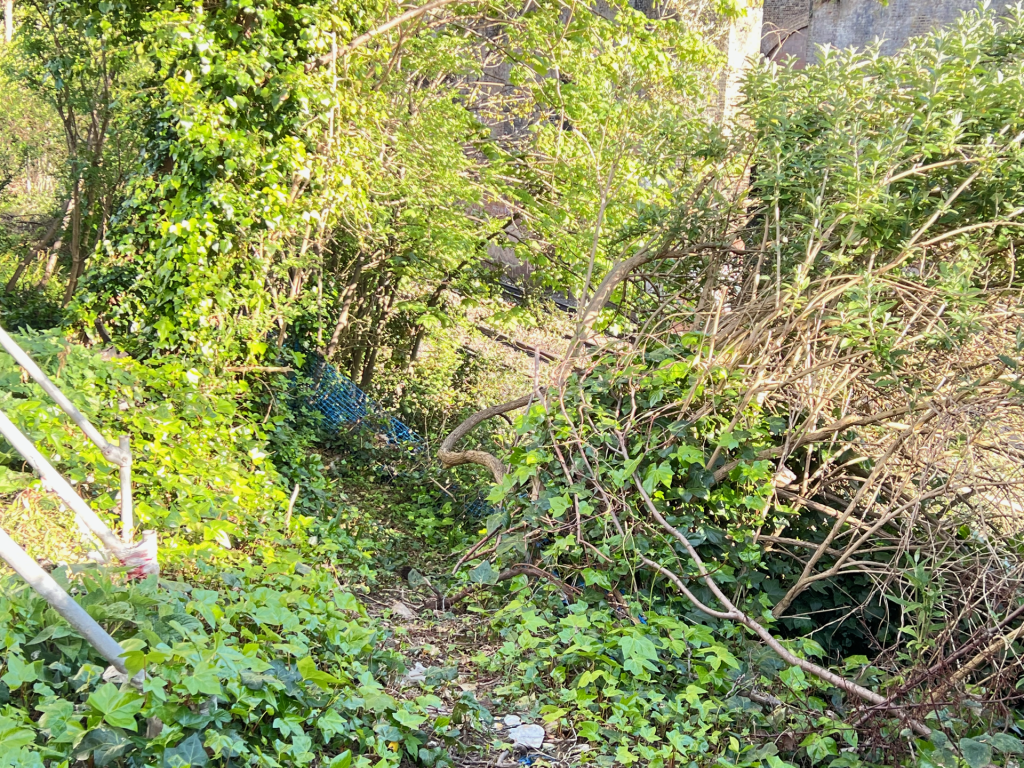
Behind the even-numbered gardens on Fawe Park Road in East Putney, there is a 400-metre strip of secondary woodland, dense scrub and undisturbed grassland that most residents of the street have probably never thought much about. It is the remains of a Victorian flying junction, built in 1889 and abandoned by the late 1980s. In the 35 years since the tracks were lifted, nature did what nature does when left alone. The land already has formal conservation protection. Network Rail now wants to turn it into a community nature reserve.
A community group, Paradise Cooperative, mapped the access points, did an initial survey, and modelled a governance structure years ago. Covid stopped them. Network Rail says it plans to approach the council about a partnership in the coming months. A council with the right instincts would already be making that call. There has been no communication about it.
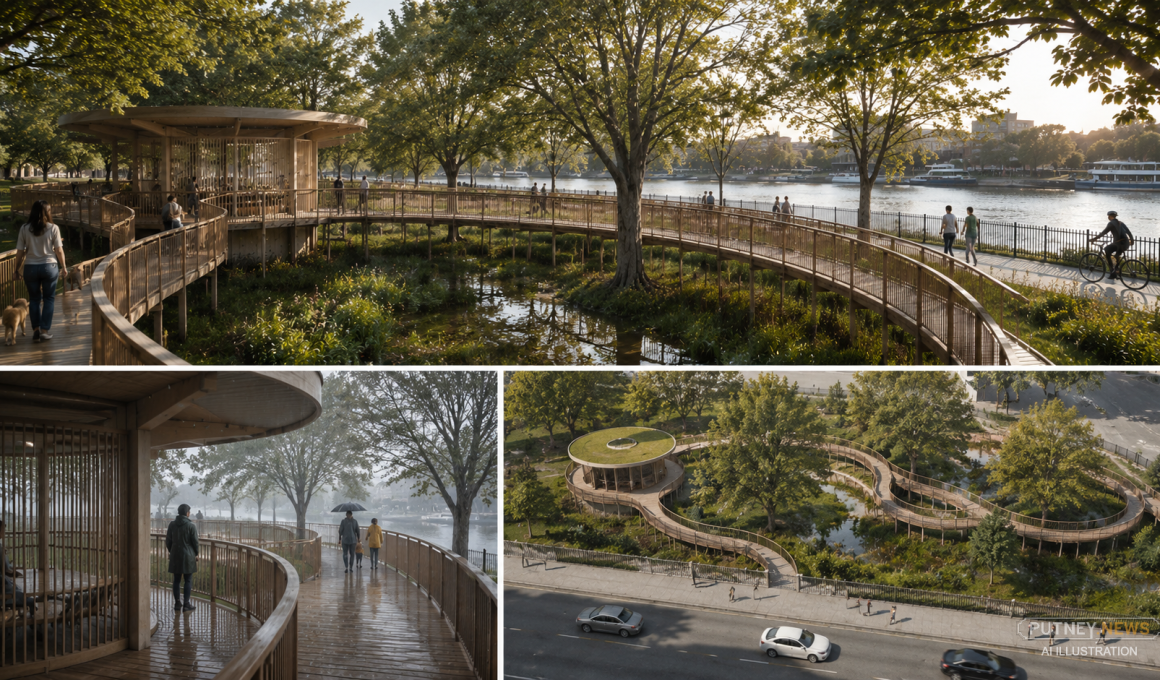
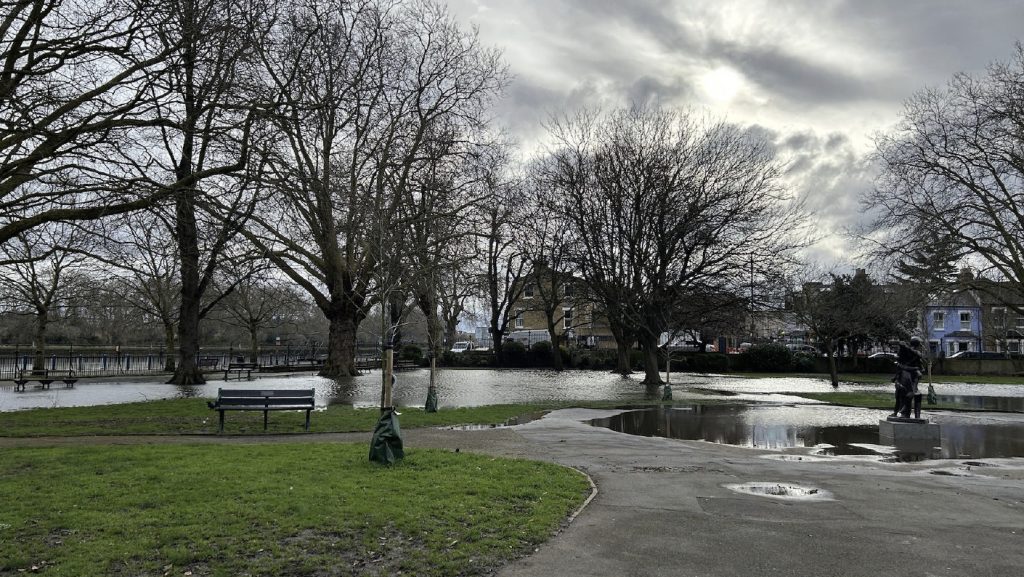
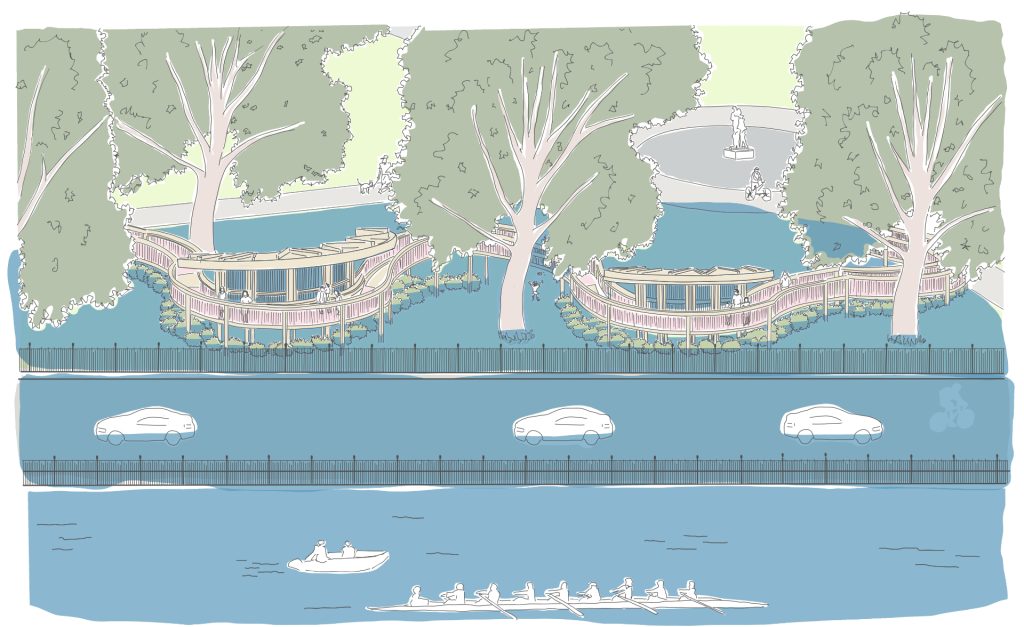
And then there is the kind of talent that rarely makes it through the door. A Putney resident, Rachael Quin, who has been working through a garden design course spent months producing a fully worked conceptual redesign for Leaders Gardens, the small park beside the Thames that most people walk past without stopping. Flood-resilient, layered with the history of the foreshore, planted to echo the tidal line: careful, inventive, rooted in the specific character of the place. There is no formal route by which that work reaches the people who commission public space. It stays at home. The system has no way to draw it in.
Wandsworth holds 670 hectares of green space, more than any other inner London borough. The people to make something of it are already here. What changes in 2030 is whether the council’s instinct, when it encounters that energy, is to enable it or manage it.
What other boroughs are doing
In September 2023, Hull City Council unanimously adopted something called Right to Grow. The idea is straightforward: publish a map of all public land suitable for community cultivation, make it easy for groups to get a free lease, and give them first refusal if the council ever sells. A map, a route in, and a preference. That is the whole policy.
Southwark followed in March 2025, as the first London borough to adopt it. Hounslow formalised its version the same week as Hackney in March 2026, with cross-party support in both cases, Labour and Greens and independents together. Six local authorities have now adopted Right to Grow. Southwark is to Wandsworth’s east. Hounslow is to its west.
Wandsworth’s own Biodiversity Action Plan, approved by Cabinet at the same time as Hackney and Hounslow (February 2026), mentions community gardening warmly throughout. It does not contain the words Right to Grow once. The last publicly available data on Wandsworth’s allotment waiting lists comes from a Freedom of Information response in 2008: 1,508 people waiting for 385 plots, nearly four applicants for every available space. A 2018 FOI request for updated figures went unanswered.
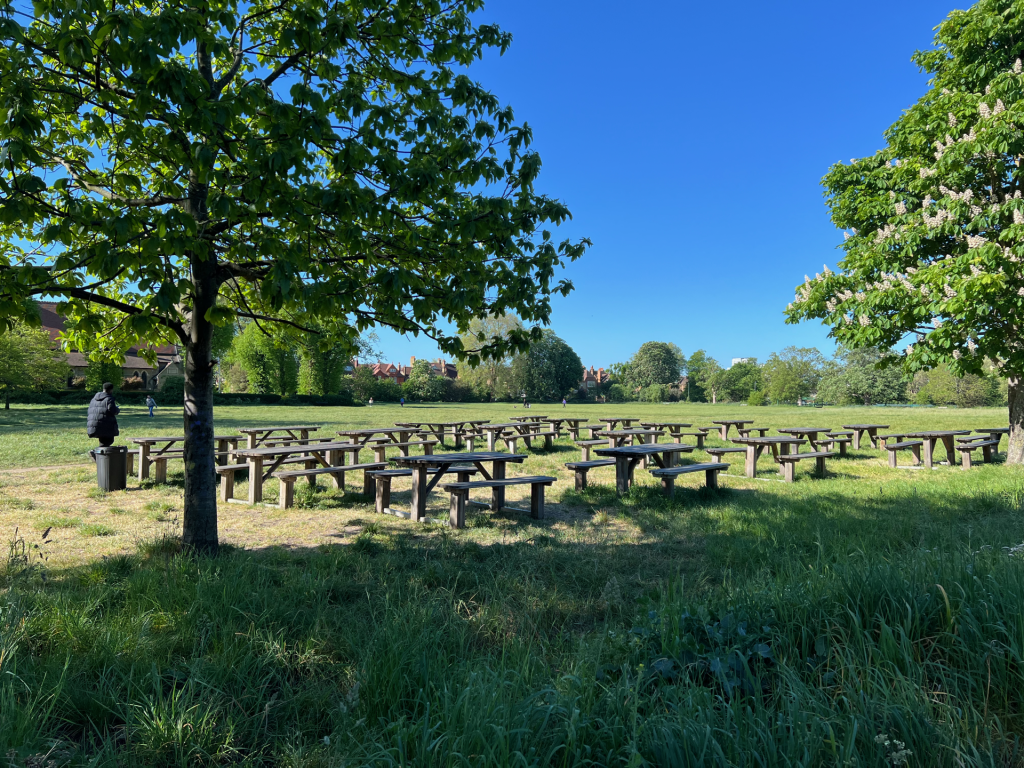
The demand is clearly there. What is missing is the structural mechanism to meet it: the map, the lease route, the published process. Adopting Right to Grow would cost almost nothing. It would deliver on commitments the BAP has already made to co-design and community access. It would make Wandsworth the fourth London borough to do it, and the largest.
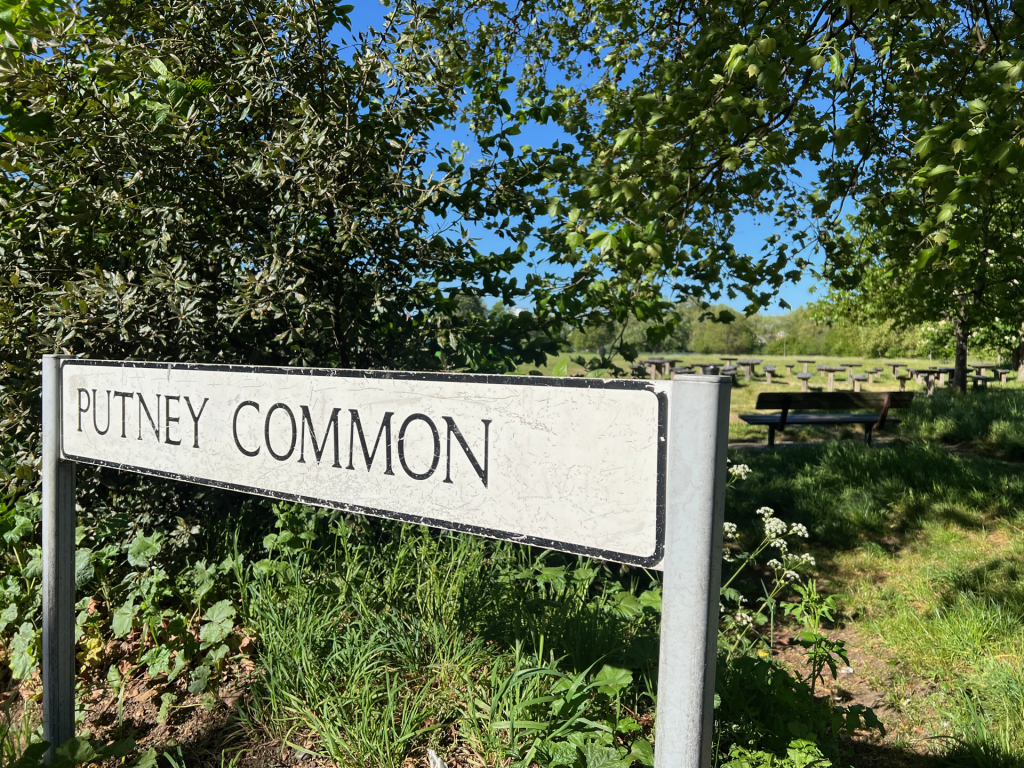
The Fawe Park Road strip is not a Right to Grow site (it is Network Rail’s land, not the council’s) but the partnership model is the same. In Lewisham, Garthorne Road nature reserve works because the council licences railway land and manages it as a community green space. The infrastructure owner keeps the freehold. The community gets the habitat. In Wandsworth, that model is sitting ready to use. All it needs is a council that picks up the phone.
The spaces we have, and what threatens them
The places most worth protecting are not the ones that get the most council attention. They are the ones that exist because of historic decisions that cannot easily be revisited, and the ones where ecological value has built up over decades without anyone particularly planning it.
Wimbledon Common and Putney Heath are Metropolitan Sites of Importance for Nature Conservation. Putney Lower Common is a Borough SINC. The Thames riverside through Putney is among the richest stretches of accessible riverine habitat in southwest London. These designations matter, but only if they are treated as ceilings on what can be done to those spaces, not as boxes to be ticked on the way to something else.
The threat does not always come from outside. When the council itself placed land on its own protected open space schedule and then sought to build on it at the Lennox Estate, it was testing whether protected means protected. When Wandsworth residents fought for years to safeguard Wimbledon Park, through the courts, through Parliament, through public campaigns, they did so on the understanding that what the community fought to keep would be kept. The AELTC’s development plans have tested that understanding severely.
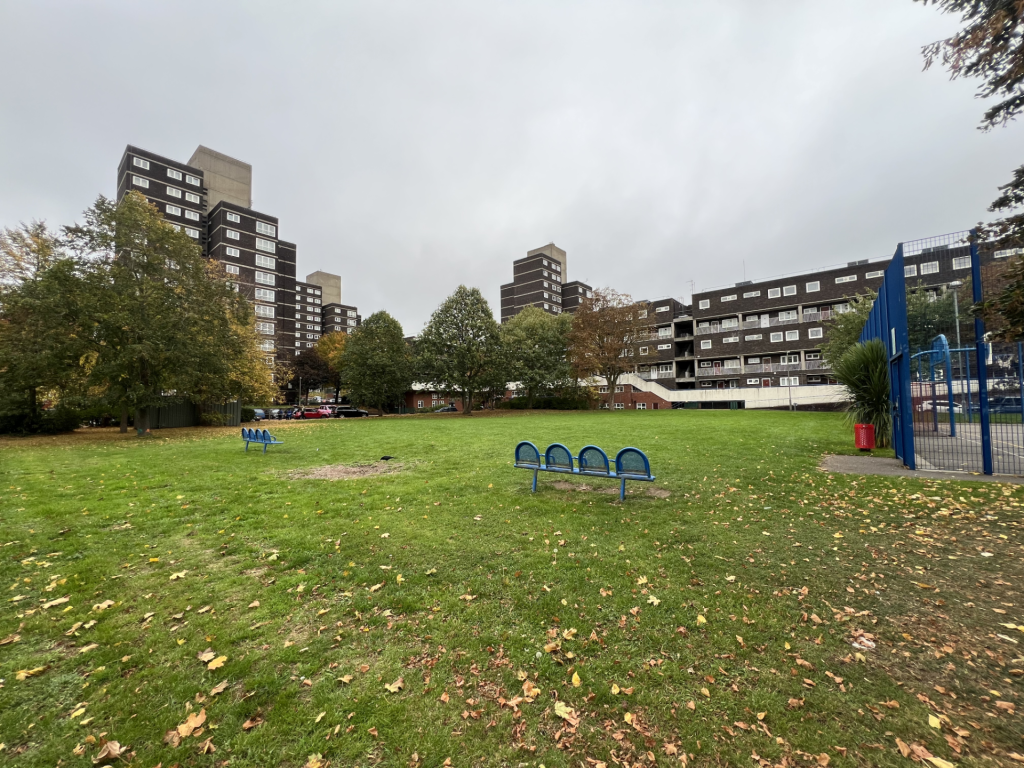
There is a quieter threat too. Contractors working to strimming schedules rather than ecological ones take out wildflower verges that took years to establish. Tree watering contracts that run for one year watch saplings planted in autumn die in the following summer’s drought. Roehampton Playing Fields and the verges on the approaches to the Heath buzz in May and are cut flat by August. The problem is not indifference at the top. It is that the contracts do not require contractors to know the difference between a wildflower margin and a weed, and nobody loses their incentive payment when a rare species disappears.
Wandsworth’s parks are managed under the Enable contract. When it next comes up for renewal, biodiversity outcomes need to be in it: wildflower verges flagged as no-strim zones by name, tree watering costed for three years not one, penalties for documented species destruction. That is not an unreasonable ask. It is what the Wild Wandsworth BAP already commits to in principle. The question is whether the contract reflects it.
Parks are not commercial venues
One of the persistent tensions in Wandsworth’s green space politics over the past two years has been the relationship between parks as places and parks as revenue.
The council expects to raise around £1 million a year from increased commercial events in parks. In July 2025, the Friends of Tooting Common confronted the Cabinet over the events policy and were ignored. The same month, Putney.news reported that Wandsworth’s parks policy clashed with expert guidance from the Gardens Trust. The Trust calculates that parks save the NHS £111 million a year nationally. The economics of using green space to generate income rather than protect it have never stacked up.
The council frames it as a pragmatic response to budget pressure. But the borough that treats its parks as venues is not the same borough as the one that treats them as ecological assets, community spaces, and public health infrastructure. By 2030, Wandsworth should have made that choice cleanly. Parks are not commercial venues with some grass in them. They are the green space one in three English people does not have access to, and which Putney residents should not take for granted.
Giving residents a real say
The right governance structure for green space is one that makes it genuinely difficult to do the wrong thing, not just to those who want to protect it, but to councils that are well-intentioned but inattentive.
Wandsworth Common has been governed by a Management Advisory Committee since 1986. It has statutory standing, elected resident representation, published minutes, and a formal consultee role in decisions affecting the Common. It is not perfect, but it is a model. There is no equivalent structure for Wandsworth Park, King George’s Park or any of the other major green spaces in the borough. Friends groups exist for many of them, and they do important work, but they have no formal standing. They can write letters. They cannot insist.
The Wandsworth Greenspaces Friends Forum exists as a borough-wide umbrella. Published terms of reference. Quarterly meetings with the Cabinet Member. Named officer attendance. Published minutes. Statutory consultee status on the Enable contract, on the Events Policy, and on any planning application touching protected open space. That is what the Forum could be. It is not yet what it is.
By 2030, every major Wandsworth green space should have its own Management Advisory Committee with the same standing as the Wandsworth Common MAC. Friends groups should have a formal consultee role: not a seat at a consultation meeting, but a named right of response that the council must address in writing. That is not radical. It is what residents of these spaces have earned through decades of looking after them.
What 2030 looks like
Walk through Putney in 2030 and you would see a borough that took its inheritance seriously.
The resident with the Leaders Gardens design has had somewhere to take it. A proper co-design process, open to local expertise that does not come through the normal channels, produced a park that is better than anything the council would have commissioned on its own. The verges on the approaches to Putney Heath are buzzing in August because the Enable contract knows what a no-strim zone is. The Wandsworth Greenspaces Friends Forum meets quarterly and the council answers to it. The Lennox Estate Green is still there, because protected open space is protected open space.
There is a Right to Grow map. It shows the unused council land across the borough where groups can apply to grow food, plant habitat, or cultivate something that was nothing. The Putney Community Gardeners are on it. The GAPs streets are on it. New groups are forming because the route in is visible.
The £1 million a year of commercial event revenue? The council has found it somewhere else. Parks are not the right place to find it.
The long view
In 1800, Wandsworth Common was 400 acres. It is 177 acres today. The rest was enclosed, sold, and built over. It took a local schoolteacher, the 1864 Wandsworth Common Defence Committee, a petition, demonstrations, and an Act of Parliament in 1871 to save what remained. Without him, there would be no Common.
Public space lost is almost never recovered. The Wimbledon Park fight shows that the pressure to take it, erode it, commercialise it, or simply neglect it until it becomes unsentimental to defend: that pressure does not go away. What Putney 2030 asks is not that the council perform miracles. It is that it decides, clearly and structurally, whose side it is on.
Putney has the green space. It has the people. The question is whether the council will get out of their way.
How important is this to Putney’s future?
PUTNEY 2030 | Issue 4 of 5 | putney.news
This is one of five pieces examining what bold thinking could change in Putney by 2030.