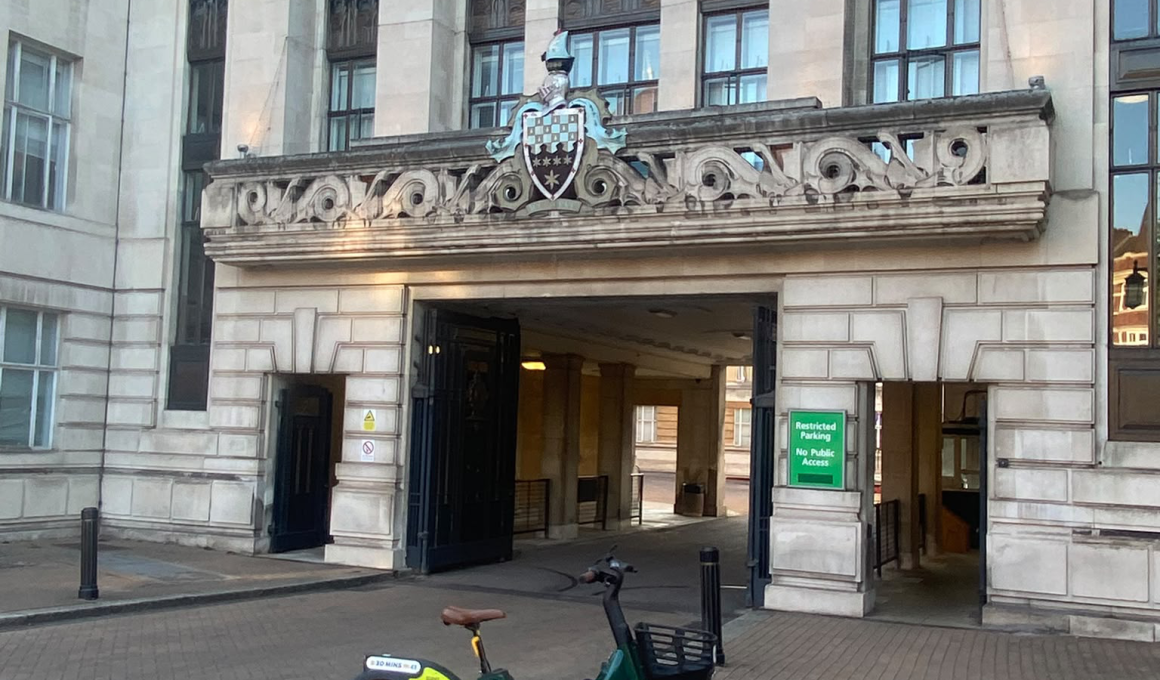
Wandsworth Council has confirmed that only two of the 48 buildings it admits contain asbestos have had the safety check required before any building work since January 2022.
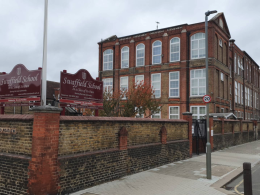
It also has no public register of which buildings contain the material. And for two thirds of the 48, buildings used by children and dozens of others among them, it holds no asbestos management plan centrally at all; responsibility sits instead with schools, leisure operators and other third parties.
A parliamentary committee asked the government in 2022 to set a legal forty-year deadline for removing asbestos from every public building in the country, and ministers refused, arguing that removal itself creates more danger than leaving stable material sealed and monitored. On the council’s own figures, the regular checking meant to make that judgement safe is not reliably happening.
The Health and Safety Executive holds the same position as the government: material in good condition, left undisturbed, carries negligible risk, and disturbing it to take it out can create exactly the exposure that leaving it sealed prevents.
Managing asbestos in place is a job with a checklist: know where the material is, inspect it at least every six to twelve months, keep the management plan current, and survey again before any work that might disturb it.
What the council’s figures show
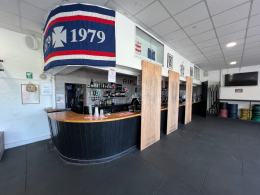
Since January 2022, the only two buildings to have had a Refurbishment and Demolition survey, the more intrusive check required before any work that might disturb a building’s fabric, are Battersea Rise Cemetery, surveyed last December, and Putney Leisure Centre, surveyed in October 2024. The other 46 have had no such survey in that period, on the council’s own account, regardless of whether work has taken place at them or not.
Where the register would sit, the council instead holds one for internal and contractor use only, on a need-to-access basis. It is not published, and residents cannot check it.
The ground is moving nationally
Since the 2022 deadline was rejected, national policy has begun shifting toward the committee’s position, just not quickly. Sir Stephen Timms, who chaired that committee, is now a government minister, and has announced work toward a census of asbestos across the public estate, starting with schools and hospitals: the committee’s other headline recommendation, a central register, in embryo.
The Health and Safety Executive ran a consultation on tightening the regulations between November 2025 and January 2026, including a proposal to make the final clearance check after removal work genuinely independent of the contractor doing the work; its conclusions have not been published. In May 2026 the HSE declined to cut the legal airborne fibre limit in line with the European Union, which halved its own limit the previous December.
In the meantime however, a number of councils have taken the decision to get head of the problems, be more open and start actively reducing their asbestos problems rather than putting off the inevitable.
Which is why we put four things to Wandsworth Council:
- Publish, for each of the 48 buildings, the date of its last survey or re-inspection by an accredited external contractor.
- Update the management plans, which the council has confirmed have not changed since 2022, and give a target date for doing so.
- Keep the list of asbestos-containing buildings published and current, rather than requiring a freedom of information request to get it.
- State its position on asbestos records for the borough’s schools — the 31 for which it is dutyholder, and any assurance role it plays across the wider schools estate.
We contacted Wandsworth Council with these four requests on 10 August. The council had not yet responded.