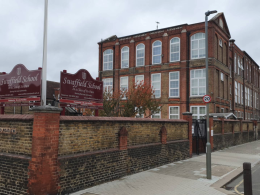
In January 1915, in a ward at Millbank Military Hospital, Mary Gwynne Holford stopped beside a soldier who had lost both arms at Ypres. In front of him lay what the Army had given him in their place: two leather sockets, each fitted with a hook. He looked up at her and asked: “Is this all my country can do for me?”
The soldier was Private Frank Chapman, a Royal Welch Fusilier who had rejoined his old regiment at the age of 46, giving up a settled job to do it. Holford was an aristocrat with the contacts to act on a promise, and she made one there and then: to find every man like Chapman the most perfect artificial limb “human science could devise”.
Within five months she had turned a requisitioned Baroque mansion on Roehampton Lane into a hospital built for exactly that purpose, with Queen Mary agreeing to lend it her name and patronage. The first 25 patients were admitted on 20 June 1915.
That hospital is Queen Mary’s, and it barely stopped growing. Britain lost 41,050 limbs to the war in total; by the Armistice, 26,262 of those men had been fitted with their first artificial one on this one estate. British workshops couldn’t build fast enough, so American manufacturers moved their own production lines onto the lawns instead, tents and huts spreading across ground that had been a private garden three years earlier. In the middle of all that, in 1917, the site opened what is credited as the world’s first dedicated prosthetics research department.
There are several remarkable stories of patients at the hospital. Lance Corporal Alfred Hart was buried alive at Ypres after German engineers tunnelled under his trench and blew it. Three days later, a soldier searching the ground noticed the silver tip of a swagger stick sticking out of the soil, pulled it, and felt it pulled back. Hart survived; his leg did not, and he spent years afterwards in rehabilitation at Roehampton.
Modern threat to an historic institution
None of this came up last autumn, when almost 10,000 people signed a petition to stop St George’s, the NHS trust that now runs the hospital, closing its walk-in injury clinic. The closure was ruled out weeks later, after local MPs and the council leader intervened. Thousands of people fought to save a service inside the one building in Roehampton whose entire purpose, from the day it opened, was to answer the exact question Chapman asked.
The building itself had a life before any of this. Roehampton House was already two centuries old by the time the war reached it, built between 1710 and 1712 for Thomas Cary, a merchant who had made his money, with his father, shipping tobacco between Virginia, Maryland, the West Indies and Europe. That tobacco was grown by enslaved labour; nothing in the surviving record ties Cary personally to owning anyone, but the trade that paid for his house depended on their unpaid work all the same.
The architect, Thomas Archer, gave the place a two-storey painted salon with a ceiling by Sir James Thornhill, the same man who later painted the dome of St Paul’s. None of it survived the war a second time. A bombing raid in 1940 destroyed the salon outright; only two of Thornhill’s original designs escaped, and they hang in the British Museum now, not on the wall they were painted for.
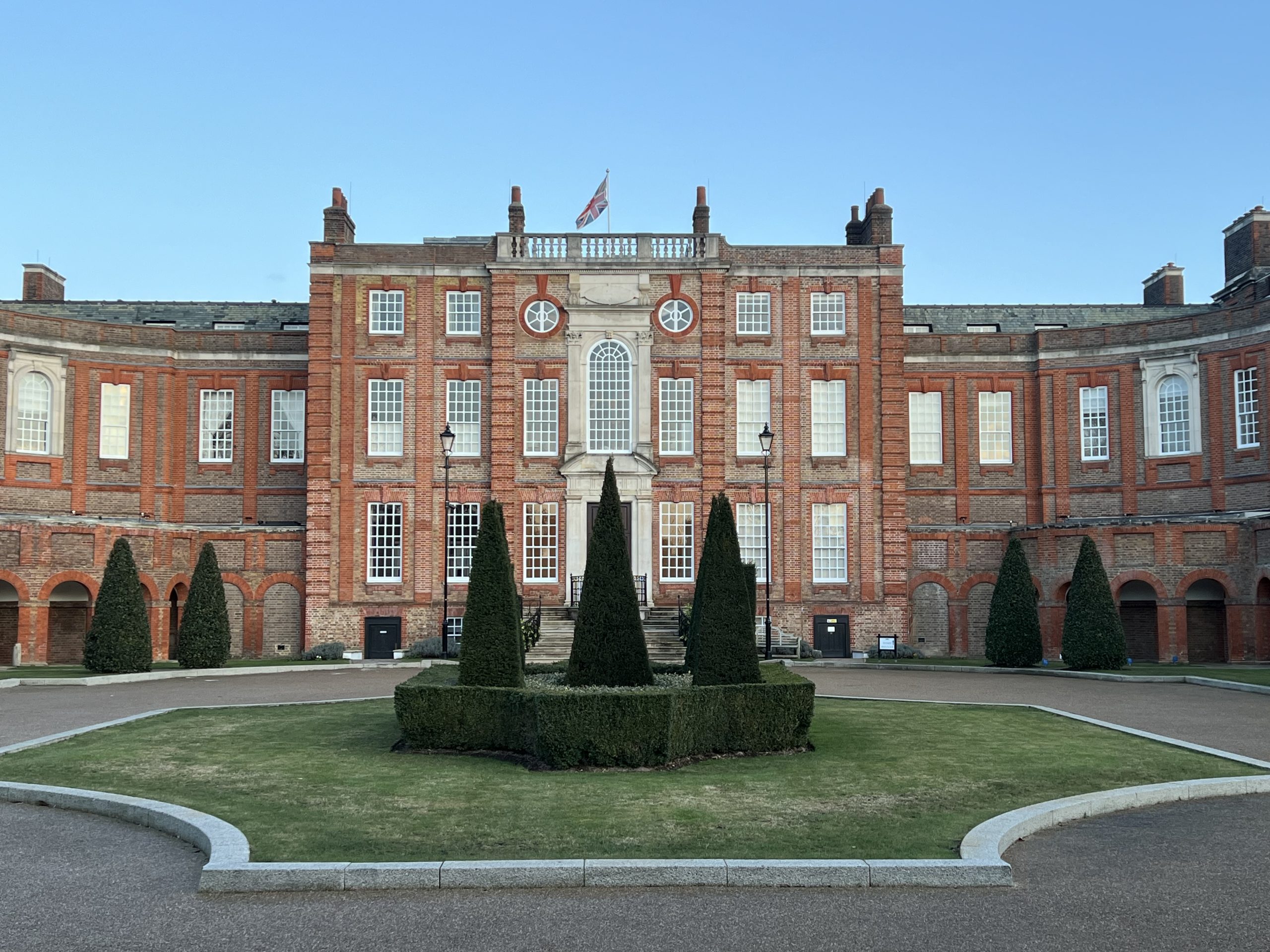
By 1983 the house itself was failing. An asbestos survey found the structure weakened, beetle-eaten and rotting, and it stood empty for four years while it was rebuilt around its own surviving panelling and staircase. It reopened in 1987, and by the 2000s it had stopped being a hospital building altogether: St James converted it into flats between 2010 and 2013, the same Grade I facade Historic England protected in 1978 now fronting a block of private apartments. The developer calls it one of only two Grade I listed buildings in London ever turned into flats.
The hospital’s actual work never left the site, though, and it grew a second name along the way.
War hero
The next man to have his name written into the hospital’s fabric was Douglas Bader. He lost both legs, one above the knee and one below, in a flying accident at Woodley Aerodrome in December 1931, attempting a low-level roll he had been dared into. He was fitted with his first artificial legs at Roehampton and learned to walk on them there.
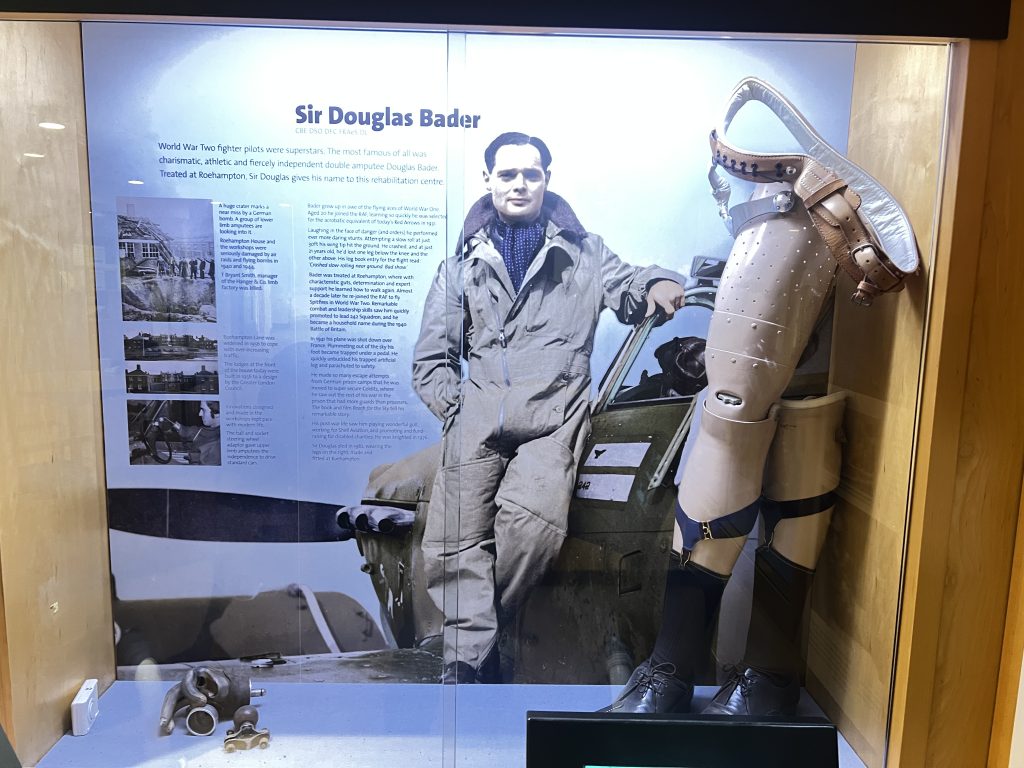
Eight years later he talked his way back into a Royal Air Force cockpit. He shot down 22 enemy aircraft in the Battle of Britain, was shot down himself over France in 1941, and spent the rest of the war escaping and re-escaping from German prison camps on legs the RAF once parachuted a spare pair into occupied France for him.
He came home in 1945, went into business, and spent the rest of his life doing publicly what Holford had done privately: telling anyone who would listen that a missing limb was not the limit on a life. “An amputee who fights back is not disabled,” he said. “He is impaired.” He was knighted for it in 1976, and he kept coming back to Roehampton for his own care for nearly fifty years, until his death in 1982.
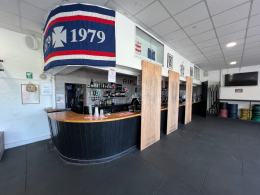
His family and friends built a foundation in his name and raised the money for a new building at the hospital: a sports hall, gym and lounge on the site of the old leather workshop, for disabled patients and staff to use for exactly the things Bader had refused to give up. Diana, Princess of Wales, opened the Douglas Bader Centre on 25 February 1993.
The clinical side carries his name too, and it is not a plaque on an old building. The Douglas Bader Rehabilitation Centre was built into the hospital in 2006, and on its lower ground floor today it is still doing almost exactly what the huts on the lawn were doing in 1915: casting, fitting and adjusting limbs on site, for patients who arrive from across south-west London to the Surrey and Sussex borders, and sometimes further. It is one of a small number of NHS amputee services in the country still offering both inpatient and outpatient care.
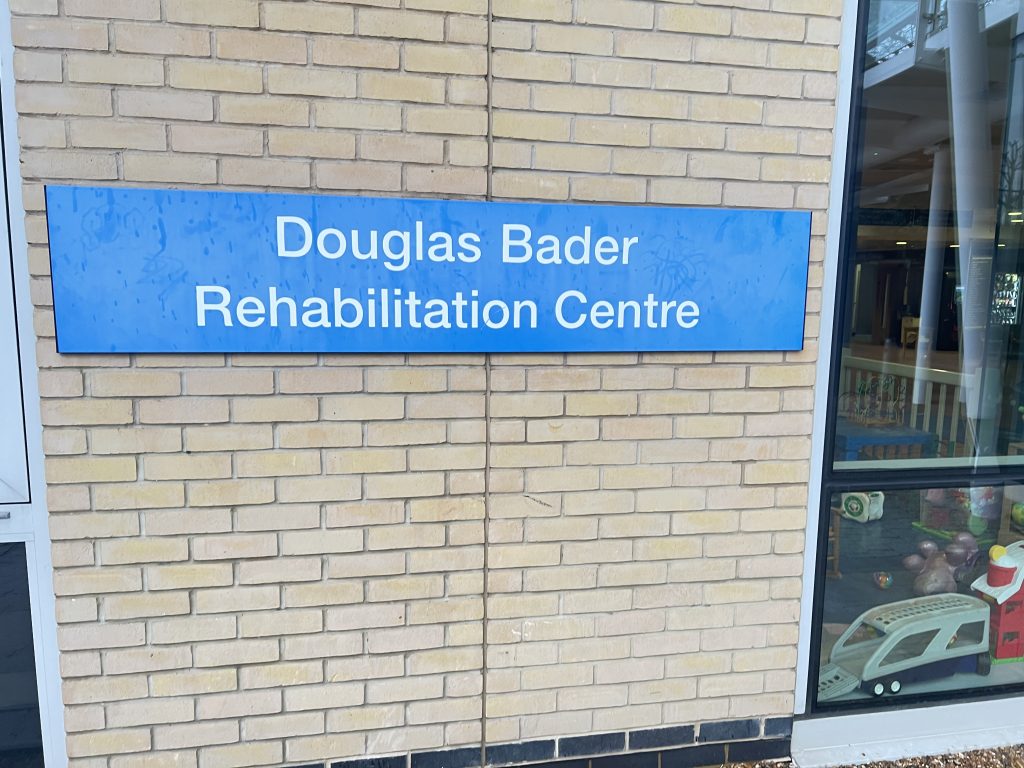
A consultant leads the team; prosthetists, physiotherapists, occupational therapists, nurses and a clinical psychologist make up the rest of it, and between them they run a rehabilitation programme that typically takes seven weeks. The ward the inpatients recover on has ten beds and one name on the door: Gwynne Holford, for the woman who answered Chapman’s question in the first place.
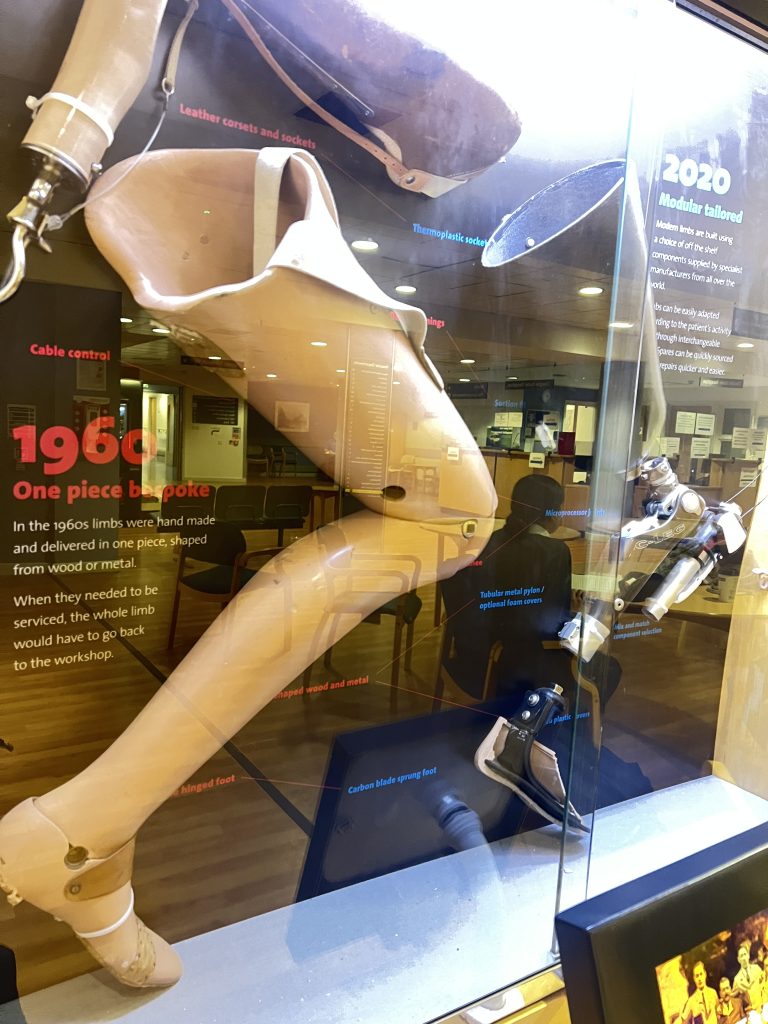
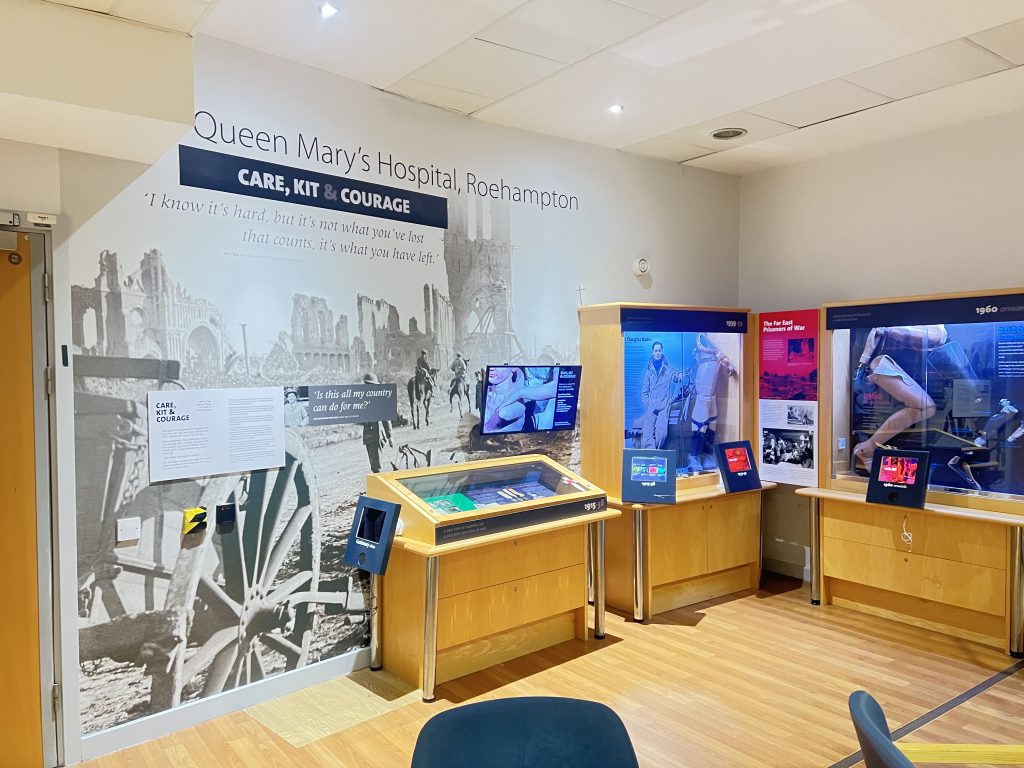
A permanent exhibition in the unit’s reception, Care, Kit and Courage, tells that whole span of the story, 1915 to now, to anyone who walks in. The Roehampton Limb User Group, run by patients rather than staff, still meets there every quarter.
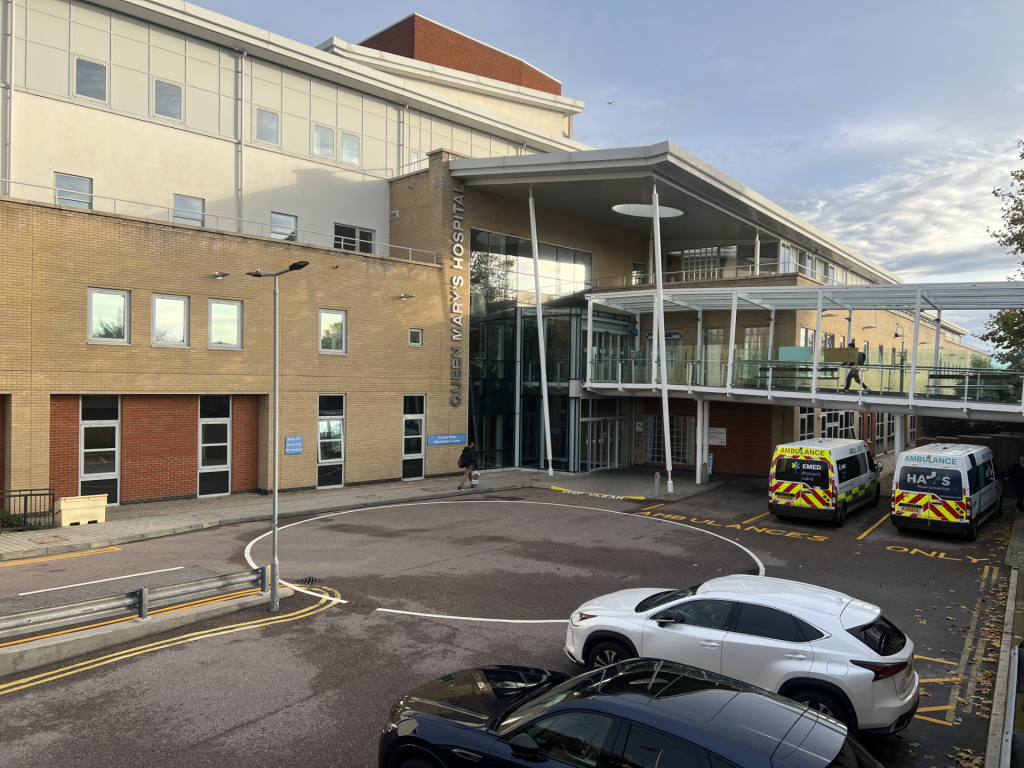
The walk-in clinic that survived last autumn’s closure threat, now running by appointment, treats burns, breaks and cuts a few doors along from all of it.
Chapman himself never left Roehampton’s story. He married there in 1916, with Holford as guest of honour, learned to write again in an elegant hand using an artificial arm, and was photographed years later gardening, cycling and smoking with the friends who had lost the same things he had.
He had asked one question – “Is this all my country can do for me?” Decades later, a few hundred metres from where he asked it, Roehampton is still answering it.
Also on Putney.news, from the same run of unexpected buildings nearby: