


For the first time since the May local elections, Wandsworth Council will host a Cabinet Meeting to confirm a range of cost-cutting measures in an attempt to reduce the council’s £137 million budget gap.
This evening, the cabinet will announce the creation of the Crisis and Resilience Fund to help tackle the cost of living crisis and support those struggling, replacing the Household Support Fund.
There will also be significant changes and cutbacks to housing programmes, including the cancellation of 253 planned council homes and the removal of five housing developments from the council’s new-build programme. There will also be changes to the council’s policy and attitude towards tackling homelessness.
It is the first decision-making moment of the new Conservative administration and it is notable for reversing several headline policies of the previous Labour administration.
No word yet on council tax rises
What won’t be on the agenda, despite it leading the agreement that the Conservatives struck with independent councillor Malcolm Grimston to allow them to have a working majority: clarity on the incoming rises in council tax. Cabinet member for finance, Cllr Peter Graham claimed last week he was not allowed to outline financial plans due to purdah restrictions imposed by the upcoming Trinity by-election. They didn’t come into force until the day after.
Cabinet documents reflect the reality that central government has told Wandsworth council it must increase council tax by 4.99% and an additional flat-rate £150 on a Band D property, unless it wants to see even more of a cut in funding next year, which would cause even greater financial pressure.
Additionally, the national Labour government is lifting the council tax referendum for Wandsworth for the 2027/28 and 2028/29 financial years, meaning Wandsworth council can raise council tax above 4.99% without having to ask residents for their approval.
These announcements come in the midst of a precarious political moment in the borough, with the political makeup of Wandsworth council on a knife-edge following the resignation of Trinity councillor, and formerly Labour deputy leader Lizzy Dobres.
This leaves the composition of the council standing at 29 Conservative councillors and 27 Labour. Independent Malcom Grimston currently acts as the kingmaker and has a confidence and supply agreement with the Conservatives, allowing them to govern.
The Crisis and Resilience Fund (Paper 26-176)
The Household Support Fund will be replaced by a smaller grant known as the Crisis and Resilience Fun, and holiday supermarket vouchers for children on free school meals are being scrapped in favour of smaller-scale support:
- A Holiday Activities and Food (HAF) provision
- Magic Breakfast food packs
- Family Hub food pantries
The impact: 10,000 children risk going hungry this summer. Families who are currently supported by the Household Support Fund may not qualify for this new form of support, and thousands of families who previously received supermarket vouchers may instead receive different forms of support.
The council says the cut is required because government rules no longer allow blanket voucher schemes, but that guidance changed in April, something we reported on yesterday, including the council leadership’s own confused account of it at Full Council.
The current administration in Wandsworth claims that this new scheme will save around £2.5m a year, as previous support packages were costing £2,782,000 and will now amount to £277,000.
Spending Review and Housing Programme (Paper 26-181)
The largest paper put towards Cabinet, the Spending Review will set out how the council intends to tackle the estimated £137 million budget gap over the coming years.
Cabinet is intending to:
- remove five housing developments from the council’s new-build programme
- cancel approximately 253 planned council homes
The hope is these measures will avoid the necessity of future borrowing to the tune of £77 million. Additionally, it is predicted that these policy alterations will help reduce annual borrowing costs by around £5 million and write off approximately £5.74 million that had already been committed to schemes that will now be cancelled.
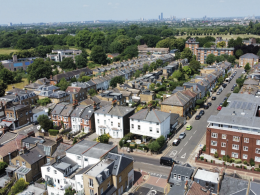
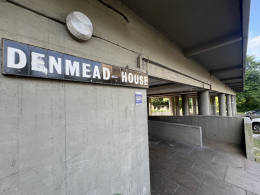
The areas of Wandsworth which will see housing schemes proposed for cancellation are below. Around three-quarters of the cancelled homes are in Roehampton:
- Ashburton Estate (Roehampton)
- Lennox Estate (Roehampton)
- Fitzhugh Estate
- Tyneham Close
- Lavender Hill
The council says two of these – Ashburton and Lennox, which between them account for 192 of the 253 homes – are being dropped in response to local opposition, not cost. The remaining three (Fitzhugh, Tyneham Close and Lavender Hill) are being dropped as financially or technically unviable
Low-income earners will now see fewer opportunities for affordable housing. This will likely lead to an increase in demand, reliance and pressure on temporary accommodation as the borough struggles to meet housing demands.
Private Rented Sector Offer Policy (Paper 26-175)
Cabinet will consider a new policy aimed at tackling homelessness by offering a household a single private-rented tenancy, whether inside or outside the borough – and if the household turns it down, the council’s duty ends along with any temporary accommodation.
The policy would take effect immediately, crucially with no public consultation.
Officials say it will save the council roughly £650,000 a year as temporary accommodation costs and demand keep rising, but the plan comes with tricky questions attached: under the possible rules, priority for a property actually goes to households who have engaged less with the steps expected of them, and the council’s own equality assessment lists likely negative effects on every protected group it considered – despite a cover report describing the impact as neutral.
Residents are also likely to highlight the fact that a household given 21 days to challenge a placement isn’t guaranteed the property will still be available once that review concludes.
Housing Management Annual Complaints Report (Paper 26-173)
The Conservative Cabinet will also consider the annual review into the council’s housing complaints and the decisions undertaken by the Housing Ombudsman.
More of a report analysis/monitoring than a policy discussion, members will read and note the report’s findings and consider improvements or failures of the Housing Ombudsman and complaint processes.
The rest
Other decisions are designed to improve Wandsworth Council’s economic situation, including ending or restructuring several discretionary programmes.
Cabinet will also note officers’ intention to bring forward proposals to keep the council’s staff at the Town Hall rather than relocating them elsewhere, reversing plans that, once unwound, are costing taxpayers £240,000. We reported the detail behind that reversal in full on 25 July.
Cabinet is expected to formally confirm that the council will remain in Wandsworth Town Hall, reversing earlier plans to relocate staff to leased office space elsewhere. This cost the taxpayer £240,000. It will also formally discontinue the borough’s youth bus services. The service was introduced in 2023 at a cost of £90,000 a year.
In more positive developments, document papers reveal that the council will use the Neighbourhood Community Infrastructure Levy (CIL) to pay for additional police officers, with funding released through the cancellation of existing neighbourhood projects. This ties into the Conservative Party manifesto.


CIl, including the neighbourhood portion is supposed to pay for the extra capital items – schools, clinics, transport upgrades needed as a direct result of increases in population resulting from the developments that pay it. Paying any kind of running cost (including police salaries) is short termism and means the other improvements won’t happen.