

Part IV: Electric revolution and recent challenges (2021-2025)
The electric bus transition
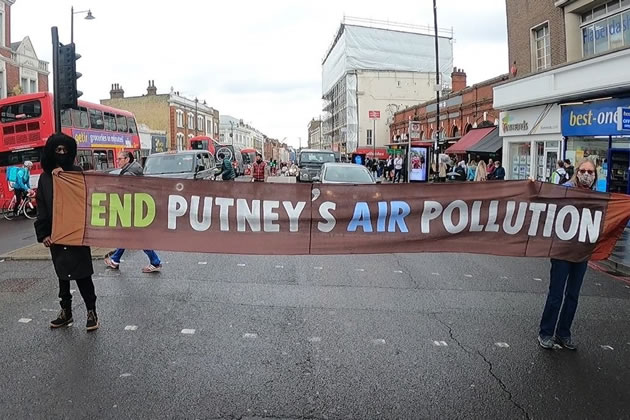
In 2022-2023, pressure grew for the replacement of remaining diesel buses with pure electric vehicles. The focus was particularly on the pure diesel buses still running on the 93 route.
TfL delivered. In 2023, the 93 route was converted to electric buses, followed by buses on the 39, 265, and 337 routes. The transformation of the bus fleet – from the primary source of pollution to zero tailpipe emissions – had made substantial progress, with the majority of routes now running cleaner vehicles and remaining diesel services scheduled for conversion.
The results continued to improve:
- 2023: 35 μg/m³ (below legal limit for first time)
- 2025: 33 μg/m³ (38.2% reduction since 2018)
Continued vigilance
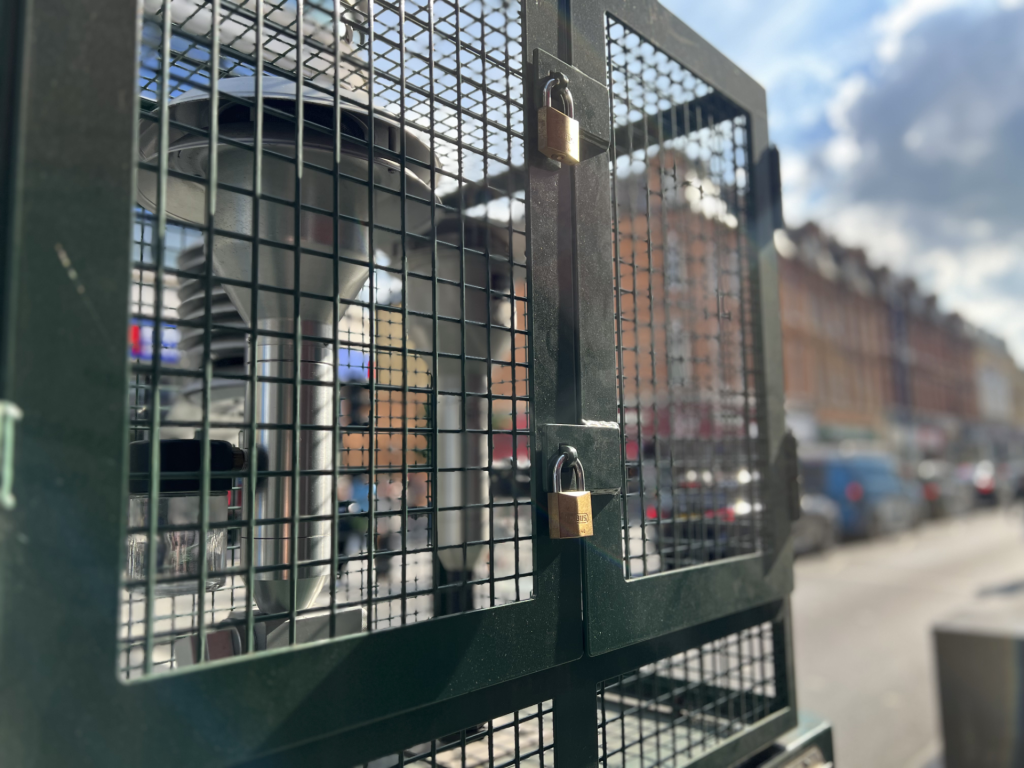
The Putney Society continues its monitoring programme, working with Wandsworth Council’s Environmental Health Team to track air quality across multiple sites. This ongoing vigilance ensures that the improvements are sustained and that any deterioration is quickly identified and addressed.
Recent developments and challenges
Despite the dramatic improvements, challenges remain. The proposed Hammersmith Bridge closure has raised concerns about increased traffic through Putney as vehicles seek alternative river crossings. The community remains vigilant, with the monitoring infrastructure and civic engagement structures built over the past 15 years ready to respond to new threats.
The reduction in NO₂ has been remarkable, but particulate matter (PM2.5) from tyre and brake wear remains a concern, representing the next frontier in the fight for clean air.
Next page > Part V: Analysis and lessons



The best piece of journalism I have ever read about Putney. And the most positive. Now we tackle traffic jams.