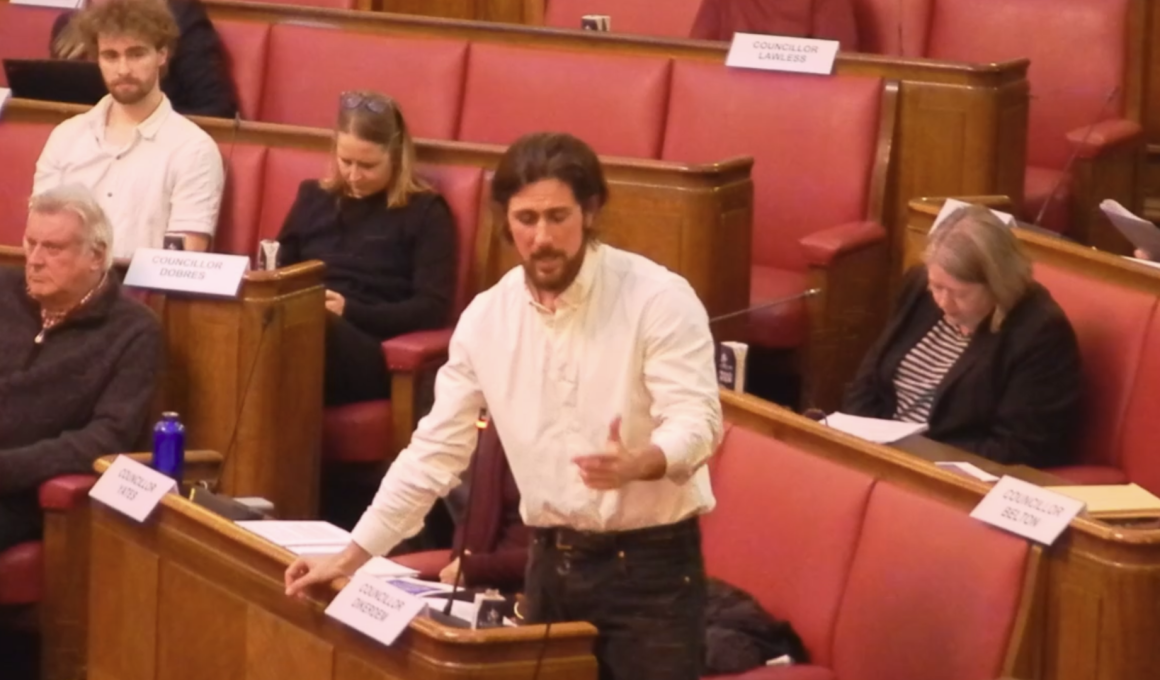
Cabinet Member for Housing Aydin Dikerdem claims Wandsworth Council’s scheme helping homeless families into private rentals has “a very low re-admission rate” – but admits the council cannot prove this because it never set up systems to monitor whether placements succeed.
A question challenging him on the claim was never answered publicly. Full Council ran out of time at Question 15 last week. Dikerdem avoided defending how he knows something he admits he cannot measure.
The scheme has operated for years placing over 250 households this financial year. Whether those families stayed housed or returned to homelessness cannot be determined. The information exists scattered across individual case files but was never organised to allow performance monitoring — a failure that would take “well over 18 hours” to fix by manually trawling through records, according to Dikerdem’s written answer.
This is not data collection failure. This is a choice not to measure outcomes on a multi-million pound programme. The team running the scheme cannot track success rates, monitor landlord participation, spot problems, or demonstrate value for money because the council never created systems to do so.
What the council admits
FOI case WBC-FOI-11563 asked for basic performance data on the Private Rented Sector access scheme. The response confirmed no monitoring systems exist.
Dikerdem’s written answer acknowledges “officers have advised that the PRS scheme has a very low re-admission rate” while simultaneously admitting the council cannot actually extract this information. He promises to “go away and work on an easy way for this data to be presented” — future action while claiming present success.
The answer then deflects. Nearly four years into Labour control, Dikerdem blames “ill-judged welfare benefit reforms implemented by the previous Conservative government” and points to the Renters Reform Act becoming effective in May 2026. The tired script of predecessor blame while asking for more time.
The question that was never answered
Councillor Caddy asked how the Cabinet Member could “satisfy himself that the scheme is effective and delivering value for money” without performance data, and what steps would be taken to establish proper monitoring.
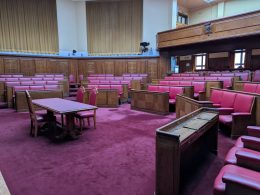
When Full Council met Wednesday night, the meeting ran out of time at Question 15. Dikerdem never had to defend his claim in person. Only his written answer exists.
This follows Dikerdem’s established pattern. When the Housing Ombudsman ruled against the council in May for a four-year housing failure, Dikerdem pointed to 22% tenant satisfaction as progress. When gas explosions hit the Lennox Estate in April, he dismissed criticism as “misinformation.” When housing repairs generated £40 million overspend in June, he blamed an “aggressive” ombudsman and suggested residents deliberately obstruct inspections to make legal claims.
The pattern is consistent: confident claims contradicted by evidence, external blame, celebration of failure as achievement.
Twelve months of avoiding accountability
The unanswered question caps a year during which Wandsworth Council systematically dismantled oversight and buried inconvenient facts:
February 2025: Council stripped opposition of scrutiny powers, replacing multiple oversight committees with a single body meeting only after decisions made.
March 2025: Housing regulator gives council C3 rating for serious failings in fire safety and tenant engagement, placing Wandsworth near bottom among London boroughs.
April 2025: Cabinet holds first meeting with no agenda or papers published in advance. Same month, £3.2 billion pension fund meeting not livestreamed, admitting £7.2 million deficit and property fund failures only revealed after public pressure. Council Leader Simon Hogg survives leadership challenge while avoiding serious issues including C3 rating and legal mistakes.
May 2025: Cabinet meetings become “theatre” with scripted self-congratulation and no hard questions. Three weeks after surviving challenge, Hogg pushes through Deputy Cabinet Member scheme creating five paid positions he alone controls — paper published 10pm Monday for Wednesday vote.
June 2025: Housing budget explodes to £40 million overspend after years ignoring damp and mould complaints. Millions more spent on rushed tech fixes with minimal scrutiny.
August 2025: Council maintains secrecy over £24.5 million regeneration scandal as residents wait 13 years for promised homes after Taylor Wimpey deal collapsed.
October 2025: Council launches survey about Putney Bridge junction day before “Here to Listen” community meeting where Hogg and local MP face questions about traffic crisis.
November 2025: New scrutiny system fails first test when headteacher defending autism school is silenced and closure upheld on 3-2 party-line vote after two hours producing zero changes.
December 2025: Council still hasn’t implemented election count recommendations 15 months after catastrophic failure excluded 6,500 votes, with internal audit involvement still in “discussion” phase.
January 2026: Council buried resident survey showing 11% satisfaction drop, spending £33,000 on 2023 survey then hiding results on obscure website instead of usual publication channels.
Twelve consecutive months. Governance, housing, finance, democracy, transparency: every area showing the same pattern. Whether the council will implement performance monitoring for homelessness prevention, or continue operating programmes without measuring outcomes, follows this established approach. No public exchange occurred Wednesday. The meeting ran out of time.