Wandsworth Council paid £24.5m to abandon a flagship housing regeneration partnership with Taylor Wimpey but refuses to explain why, leaving residents who have waited 13 years for promised homes in the dark about decisions made with their money.
The secrecy prevents scrutiny of how public funds were used to exit the joint venture over the Winstanley Estate, whether the council received value for money, and what went wrong with a partnership meant to deliver 2,550 new homes.
Similar incidents in other London boroughs have revealed poor decision-making, weak financial controls and in one case led to bankruptcy. Wandsworth Council has already posted £40m in unexpected losses this year – in large part thanks to the collapse of this deal – and is borrowing many millions more to take on this project and others across the borough.
Putney.news has been pursuing the details for months and has been repeatedly stonewalled. Last week, an internal review upheld the council’s refusal to release Paper 24-169A, the restricted document that outlined exit scenarios, citing “confidential proceedings” and the need to preserve a “safe space” for decision-making.
We are now challenging that decision: Putney residents should know what went wrong and what their money is being spent on. Here is what we know at the moment.
Managed decline over 18 months
Secrecy from Wandsworth Council is nothing new but it leaves residents like Elizabeth Swanson trapped in deteriorating conditions while crucial questions remain unanswered: why did the council break with Taylor Wimpey after eight years of partnership, how was the £24.5m settlement calculated, and what safeguards existed to protect public money?
Swanson has waited 13 years for the new home promised to her family. Instead, she remains on the 22nd floor of Sporle Court with her autistic daughter, in a flat medically deemed unsuitable, while lifts regularly break down. “They gave us all false promises,” she told local democracy reporter Charlotte Lilywhite earlier this year.
The breakdown was not sudden. Taylor Wimpey first raised concerns over the financial viability of later phases in 2022-23, before formally asking the council to “review delivery arrangements” in June 2023. By July 2024, the council was preparing “possible scenarios” for exit in the restricted Paper 24-169A – the same document it now refuses to release.
The 18-month negotiation process gave the council ample time to assess options and protect public money. Yet taxpayers remain in the dark about how the £24.5m settlement was calculated or whether alternatives were properly explored.
In December 2024, the council formally acquired Taylor Wimpey’s stake through what papers describe as a “negotiated settlement.” The £24.5m cost hit housing budgets and was officially reported to councillors six months later in June 2025.
Broken promises, mounting costs
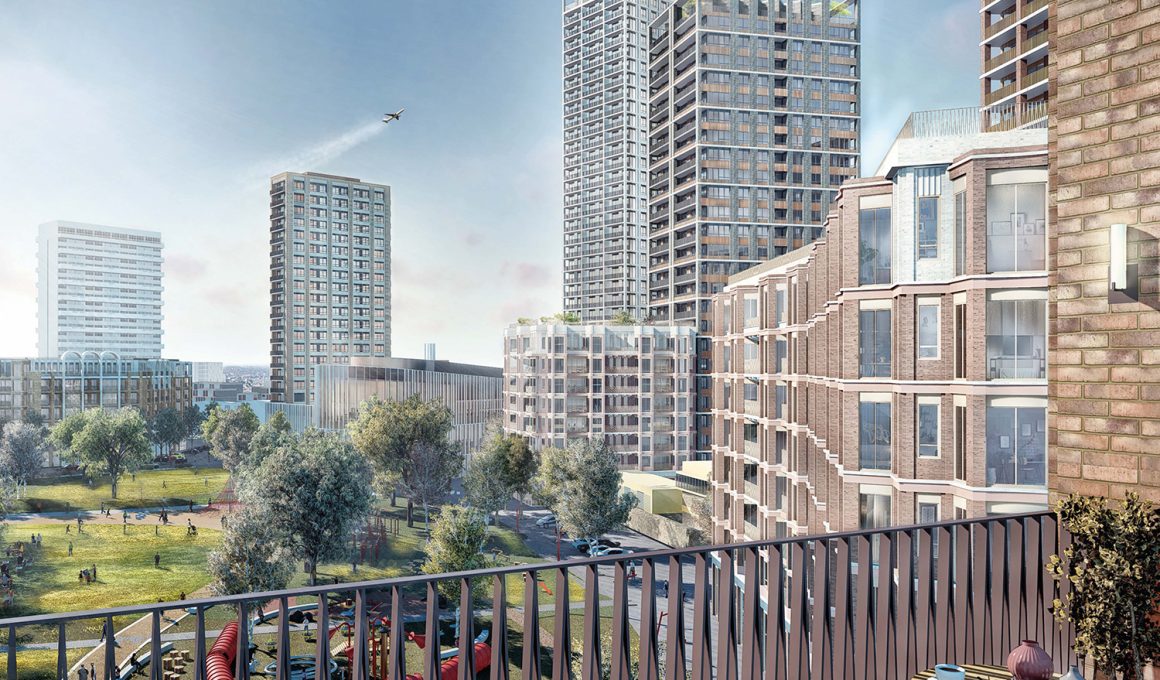
By the council’s original timeline, residents should now be enjoying a new leisure centre with swimming pool, sports halls, and community facilities. Instead, only 265 homes have been completed from the 2,550 promised, while community facilities like York Gardens playground were stripped away in 2012 and never replaced.
April Cadore’s son was rushed to A&E in February due to black mould in their temporary accommodation — conditions she has endured since 2021. “It is bad for other people that this is actually their home,” she said. “At the same time, I’ve been here for longer than I thought I would be.”
The £24.5m exit cost contributed to housing reserves falling far below budget, creating additional pressure on services funded by tenants and leaseholders. This comes as the housing department faces mounting crises, including a rare C3 non-compliance rating from the Regulator of Social Housing and repairs overspending by £16m in 2024/25.
Learning the wrong lessons from regeneration failures
Other London boroughs have faced similar regeneration crises, and their eventual transparency has revealed a pattern of costly mistakes.
When Haringey scrapped its £2bn partnership with Lendlease in 2018, disclosed papers showed the council had failed to protect tenants from gentrification risks. Southwark’s Elephant & Castle redevelopment became a cautionary tale after FOI requests exposed that the Heygate Estate had been sold for a fraction of its value. Even Croydon’s housing company collapse, which contributed to the council’s bankruptcy, ultimately revealed the poor financial decisions that proved so costly.
In each case, transparency exposed embarrassing errors in judgment, inadequate due diligence, or failures to protect public money. The disclosures damaged reputations but helped residents understand what went wrong.
Wandsworth appears to have learned a different lesson from these failures: that secrecy prevents embarrassment. By refusing to release Paper 24-169A, the council denies residents the chance to scrutinise whether similar mistakes contributed to the £24.5m exit cost, or to hold decision-makers accountable if they did.
New plans, same secrecy
Taylor Wimpey’s managing director James Lidgate said the developer recognised that “a change in strategic direction of the project” meant the council was “best-placed to deliver the scheme alone.” The comment suggests the council altered the project’s direction, making the secrecy over exit costs even more problematic.
The council’s new £1.25bn “Place Programme” approved in July sets out fresh plans for Winstanley, but the scheme is years behind its original timeline and requires additional budget variations totalling millions more. The council aims to submit a revised planning application at the end of 2026.
Labour councillor Aydin Dikerdem, cabinet member for housing, said the regeneration was “now being run in-house by the council precisely so we can address the issues raised with us by residents in regards to speed of delivery.”
However, the authority declined to explain the circumstances that led to the Taylor Wimpey exit or justify the £24.5m cost. A council spokesperson said only that the authority remained “fully committed to the regeneration of the Winstanley and York Road Estates.”
Information Commissioner to investigate
Putney.News has referred the FOI refusal to the Information Commissioner, arguing the public interest in understanding how £24.5m was spent outweighs the council’s claims about confidential proceedings.
The case highlights broader questions about transparency in local government partnerships and the protection of public money in complex regeneration deals.
Julie Harris, 68, who has lived on the estate all her life, does not expect progress anytime soon. “They keep stripping us back and not doing any progress, and I don’t believe the council will. Unless they find somebody that wants to work with them, it isn’t going to happen.”
Until the council provides answers, residents and taxpayers can only speculate about why Wandsworth paid £24.5m to walk away from its flagship housing partnership — and whether secrecy itself made that bill unnecessarily high.