A man was rushed to hospital on Thursday after being struck by a van at the same pedestrian crossing where a woman was killed eight months ago, raising fresh questions about whether safety improvements installed by Transport for London (TfL) have addressed the real problems at this notorious junction.
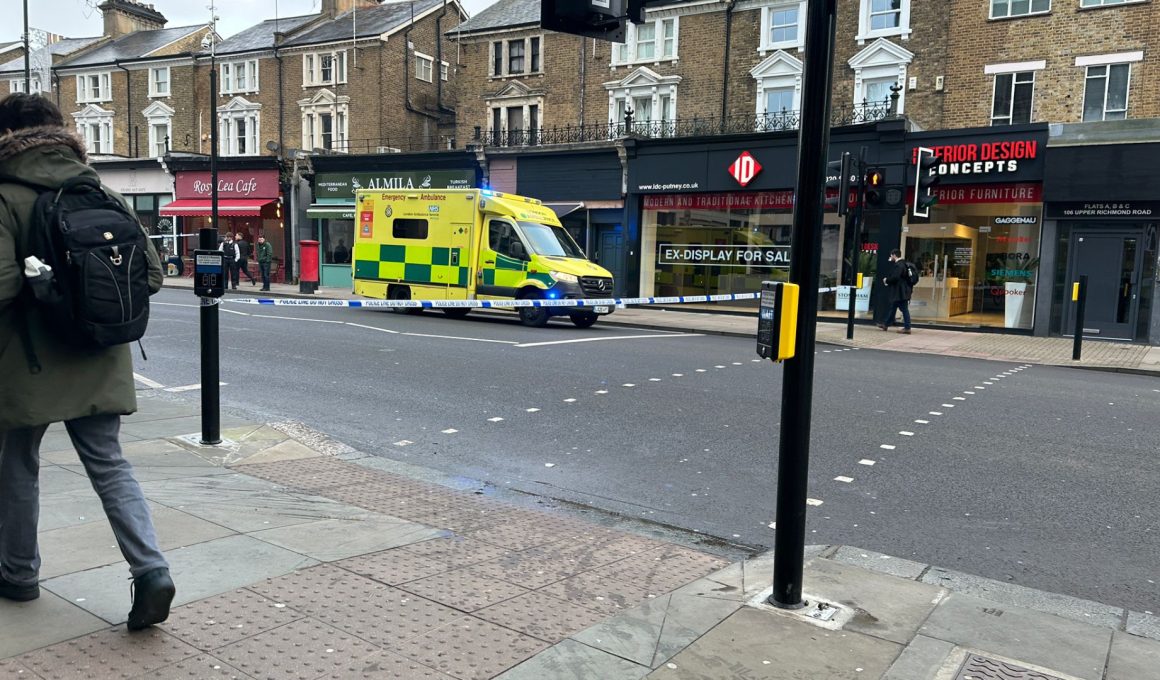
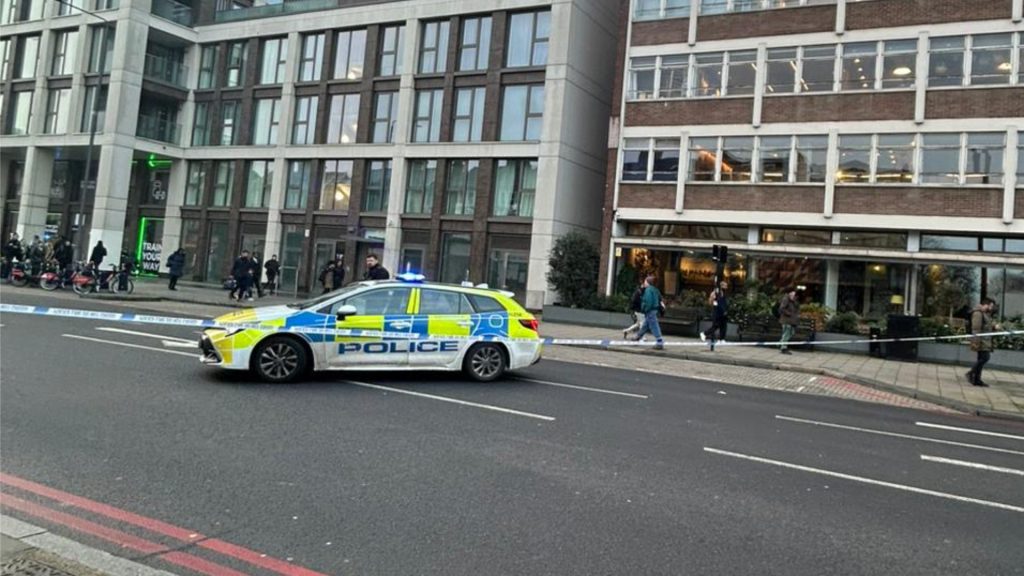
The collision happened at around 7.10am at the crossing on Upper Richmond Road near the junction with Carlton Drive, close to East Putney station. The London Ambulance Service said a crew treated the man at the scene before taking him to hospital.
Witnesses report the man being struck and stumbling to the north side of the road where he was attended to by ambulance staff.
Police closed Upper Richmond Road in both directions between Carlton Drive and Keswick Road for several hours, causing traffic to back up during rush hour. Bus routes 37 and 337 were diverted until the road reopened shortly before 1pm.
The Metropolitan Police confirmed they are not investigating the incident, indicating no criminal matter is suspected.
A crossing with a troubled history
Thursday’s collision occurred at the same spot where a woman in her 70s was fatally struck during the evening rush hour in May 2025. That death prompted difficult questions about whether safety improvements TfL had already planned could have prevented the tragedy had they been implemented sooner.
Following the fatality, TfL approved an £80,000 upgrade to the crossing, including new countdown signals to show pedestrians how much time they have to cross. The improvements were completed in late 2025.
But residents have long complained that the fundamental problem with this crossing is the time allowed to get across. Upper Richmond Road is wide at this point, and the pedestrian phase is short. The new countdown last seven seconds but starts before any pedestrian can realistically reach the other side.
For elderly residents or anyone with limited mobility, completing the crossing within the allowed time can be difficult. And for the many commuters who exit East Putney station and need to cross Upper Richmond Road, the temptation to cross without waiting for the signals is constant. Anyone who uses this junction regularly will observe pedestrians doing exactly that, often dodging traffic rather than walking to the crossing point.
Whether any of these factors played a role in Thursday’s collision is unknown. The circumstances of the incident have not been disclosed.
But the fact that a second serious accident has occurred at this location within eight months will inevitably raise questions about whether TfL’s safety improvements addressed the underlying issues, or simply added a countdown timer to a crossing that remains fundamentally difficult to use safely.
The man’s condition is not known. Anyone with information about the collision can contact the Metropolitan Police.