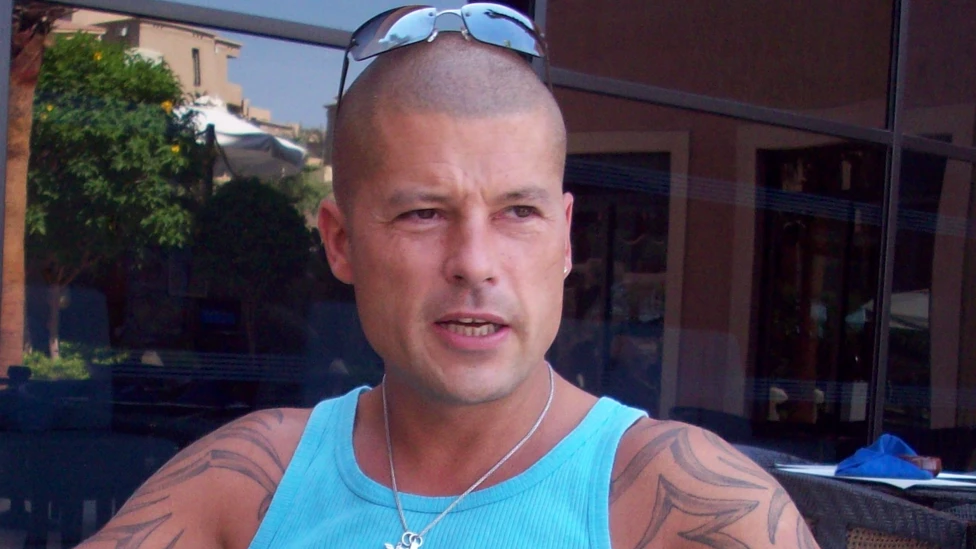
An inquest into the death of former Met detective Warren Arter has exposed serious systemic failures within the force that may have contributed to the tragic deaths of both the disgraced officer and his wife.
Arter, 54, was found dead in his cell at HMP Wandsworth on 12 July 2024, just two weeks after his wife Rebekah was discovered in a blood-soaked hotel room in Barbados. The South London Coroner’s Court heard damning evidence of how the Met Police failed to act on serious allegations against Arter due to a software malfunction, potentially sealing his wife’s fate.
A pattern of abuse ignored
The inquest revealed that in March 2024, three months before Rebekah’s death, an anonymous woman had reported Warren Arter to the police for grooming, voyeurism, and sending unsolicited “upskirting” images of an unknown woman who was asleep. That woman was later confirmed to be Rebekah Arter herself.
However, due to a problem with the Met’s CONNECT software system, officers failed to act on this critical intelligence. Detective Chief Inspector Kelleher told the court that this software issue remains unresolved, with a fix not planned until April 2026.
The delay proved fatal. Had the Met acted promptly on these allegations, Assistant Coroner Andrew Harris noted that Warren Arter would have been arrested and subject to bail conditions preventing him from contacting his wife.
“The Met’s failure to report the March 2024 allegations about Mr Arter to his mother or the family” was blamed by Rebekah’s son Elliot Usher for her death, though the coroner stopped short of fully accepting this submission.
Years of missed opportunities
The case represents a catalogue of institutional failures spanning years. Warren Arter had been under investigation since 2017 after four women reported that he had sexual contact with them after meeting him through his work with the Met’s ‘Sapphire’ unit, which dealt with rape cases.
The women were known to be vulnerable, with some having addiction histories. Despite the seriousness of the allegations – which saw two officers travel to Australia to interview one victim – Arter remained on full pay for seven years before finally being dismissed in 2023, and only then for drug offences rather than the sexual misconduct allegations.
The Independent Office for Police Conduct (IOPC) found a case to answer, yet no charges were brought for six years. When Arter was finally dismissed in 2023, he had spent almost seven years suspended on full pay, costing taxpayers around £600,000 ($740,000), and only then for drug offences rather than the sexual misconduct allegations. When Arter was finally dismissed in May 2023, it was following a tribunal that heard he had “attended gatherings where drugs were present” and offered to supply substances to others.
A relationship built on control and abuse
The inquest painted a disturbing picture of Arter’s relationship with Rebekah, whom he first met in 2006 when investigating domestic violence allegations she had made against her then-husband. Their professional relationship turned personal, and they married in Las Vegas in 2016.
Witnesses described a pattern of coercive control that intensified over time: Rebekah’s hairdressing colleagues observed bruising consistent with domestic abuse on three occasions; Arter dictated how Rebekah dressed, forcing her to wear revealing outfits instead of her usual jumpers and jeans; family members believed compromising photographs were used to manipulate her, and she was forced to take drugs under his influence; and disturbing allegations emerged that Arter drugged his wife and forced her to have sex with other men while unconscious
Elliot Usher, Rebekah’s son, told the court how Arter’s behavior changed dramatically over the years, from someone he felt secure around as a seven-year-old to someone who used “disgusting names” to describe his mother and was increasingly controlling and aggressive.
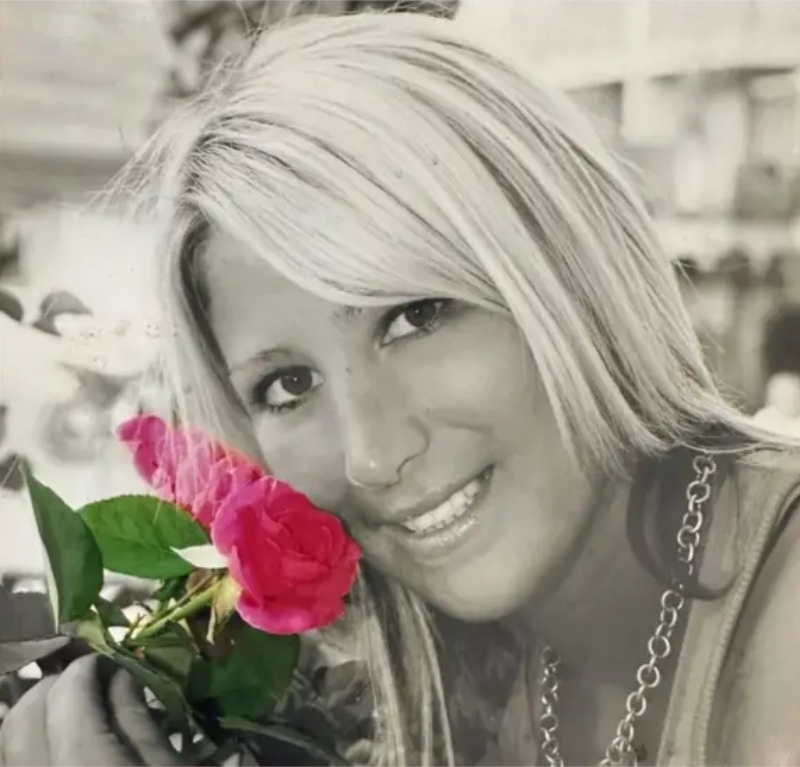
The final tragedy
Rebekah’s death in Barbados on June 28, 2024, remains shrouded in mystery. Found in a hotel room surrounded by drugs and blood, the exact cause of her death could not be determined. The Barbados authorities failed to conduct proper toxicology tests, and her organs were inexplicably dissected before repatriation – actions that Assistant Coroner Andrew Harris said raised “the prospect of deliberate concealment or obstruction to further investigation.”
Warren Arter gave conflicting accounts of what happened, claiming variously that Rebekah had choked, that he had found her dead after sleeping for 18 hours, and bizarrely telling relatives he thought blood in the bed was chocolate. He attempted suicide in Barbados before being arrested and returned to the UK on non-homicide charges.
Two weeks later, Arter was found dead in his cell at HMP Wandsworth, adding his name to the growing list of deaths at the troubled prison. He had appeared at Westminster Magistrates’ Court just days before his death, charged with misconduct in public office relating to allegations covering the period from 2010 to 2023.
Systemic failures continue
The case highlights ongoing problems within the Metropolitan Police’s handling of misconduct allegations, particularly those involving officers accused of crimes against women. Despite Commissioner Sir Mark Rowley’s 2023 promise to “put more people and focus into the teams protecting women and children from violence” following the damning Casey Review, this case suggests not enough has changed.
The revelation that the CONNECT software system remains broken nearly two years after it failed to flag serious allegations against Arter is particularly concerning. With a fix not planned until 2026, how many other potential victims remain at risk due to this technical failure?
Commander Simon Messinger said the Met’s “thoughts and sympathies” were with Mrs Arter’s family, noting that the coroner had recognized “there was no evidence the Met knew of a real and immediate risk to Mrs Arter’s life.” However, this response rings hollow given the clear pattern of missed opportunities and systemic failures revealed by the inquest.
The Met revealed that misconduct allegations against Arter now involve eight women, including Rebekah herself – a testament to the scope of his alleged offending and the number of potential victims let down by institutional failures. The case also highlighted broader problems within the force: a 2022 trawl of police databases found 161 officers with previous convictions, including three for sex offences.
In 2020, the Crown Prosecution Service concluded there was insufficient evidence to charge Arter with drug offences, despite traces of cocaine being found on digital scales and plastic bags at his home. This decision allowed him to remain suspended on full pay until his eventual dismissal, during which time the financial pressure on Rebekah intensified – she had to remortgage her home and sell another property she owned to cover mounting debts.
A son’s plea for justice
Elliot Usher’s emotional plea to the coroner captures the human cost of these systemic failures:
“My Mum was let down in life, please do not let her be let down in death.”
He has asked for his mother’s case to be designated an “Article 2” matter under the European Convention on Human Rights: a legal designation that would fundamentally change the scope of the inquest. Instead of simply examining how Rebekah died, it would investigate whether institutional failures by the Met Police and other agencies contributed to her death. If the coroner agrees to this designation, the inquest could result in formal recommendations for systemic changes at the Met Police to prevent similar tragedies – transforming a single death investigation into a wider examination of how institutions failed to protect a vulnerable woman.
“Mr Arter was a police officer who had been on suspension for years yet retained influence and connection within his old command unit,” Usher told the court. “The Met Police, its directorate of professional standards, the IOPC all had the opportunity to intervene and failed to do so.”
Questions that demand answers
As this tragic case concludes, serious questions remain about police accountability, the protection of vulnerable individuals, and the systems meant to prevent officers from abusing their positions of trust.
How many more Warren Arters remain within the Metropolitan Police ranks? How many potential victims are unprotected because of faulty software systems and bureaucratic delays? And when will the institutional culture change that allows such patterns of abuse to continue unchecked for years?
The deaths of Warren and Rebekah Arter represent not just personal tragedies, but institutional failures that demand urgent attention and reform. Until these systemic issues are addressed, the Met’s promises to protect women and children remain hollow words that offer little comfort to grieving families seeking justice.
Warren Arter’s death is one of several currently under investigation by the Prisons and Probation Ombudsman at the troubled HMP Wandsworth as the institution continues to grapple with what inspectors have described as “systemic and cultural failures.”
Recently, we have covered the tragic deaths of Rajwinder Singh and Patryk Gladysz, both of which uncovered severe problems at the jail. Warren Arter is on a list of nine other pending investigations. There have been at least 18 deaths at HMP Wandsworth, including:
- Peter Tauroza (March 2020): Took his own life the day after sentencing, despite multiple missed opportunities for intervention
- David Wise (December 2021): Died of hyperthermia after being housed in a cell with excessive heat from faulty systems
- Damian Bugno-Swierz (November 2023): Died by suicide after drinking illicitly brewed alcohol, with significant delays in staff response