In November 1911, Captain Robert Falcon Scott set off across Antarctica to be the first person to stand at the South Pole, for Britain and for science.
The journey took 11 weeks, much of it with the men hauling their own sledges across ice and over mountains. When Scott and four companions arrived, in January 1912, a Norwegian flag was already flying. Roald Amundsen had beaten them by five weeks. None of the five made it home.
It became one of the most famous expeditions in history, its story told and retold for more than a century, alongside Hillary and Tenzing on Everest and the search for the source of the Nile. At its heart is one quiet act.
On the way back, with food and fuel running low and his frostbitten feet slowing the others down, one of the five walked out of the tent into a blizzard, so that the rest might have a better chance of living. “I am just going outside and may be some time,” he told them.
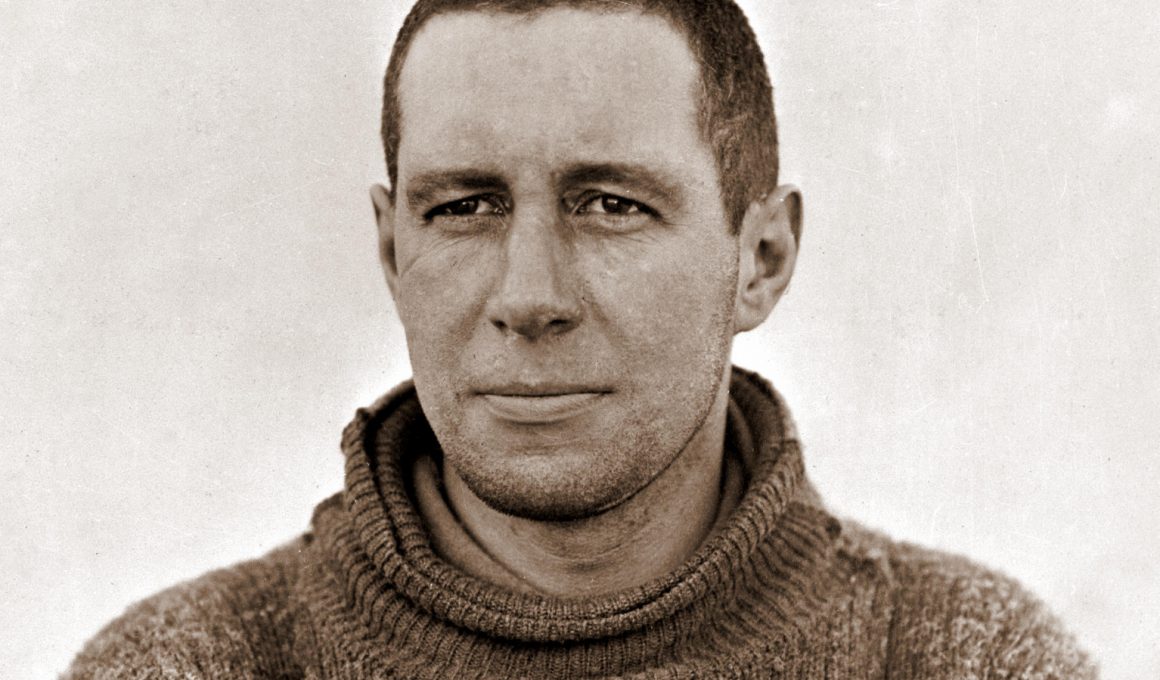
His name was Lawrence Oates, and he grew up on Upper Richmond Road.
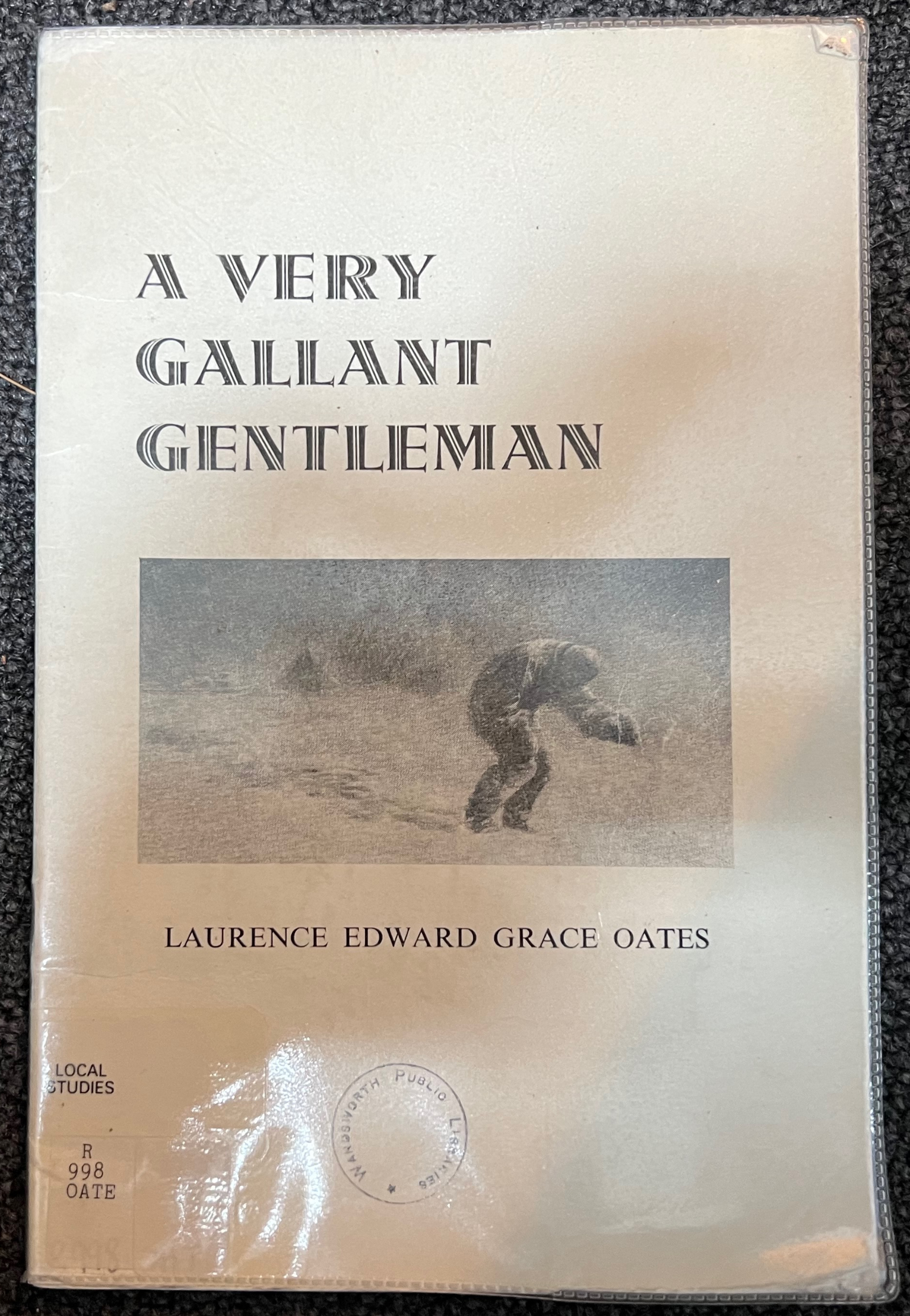
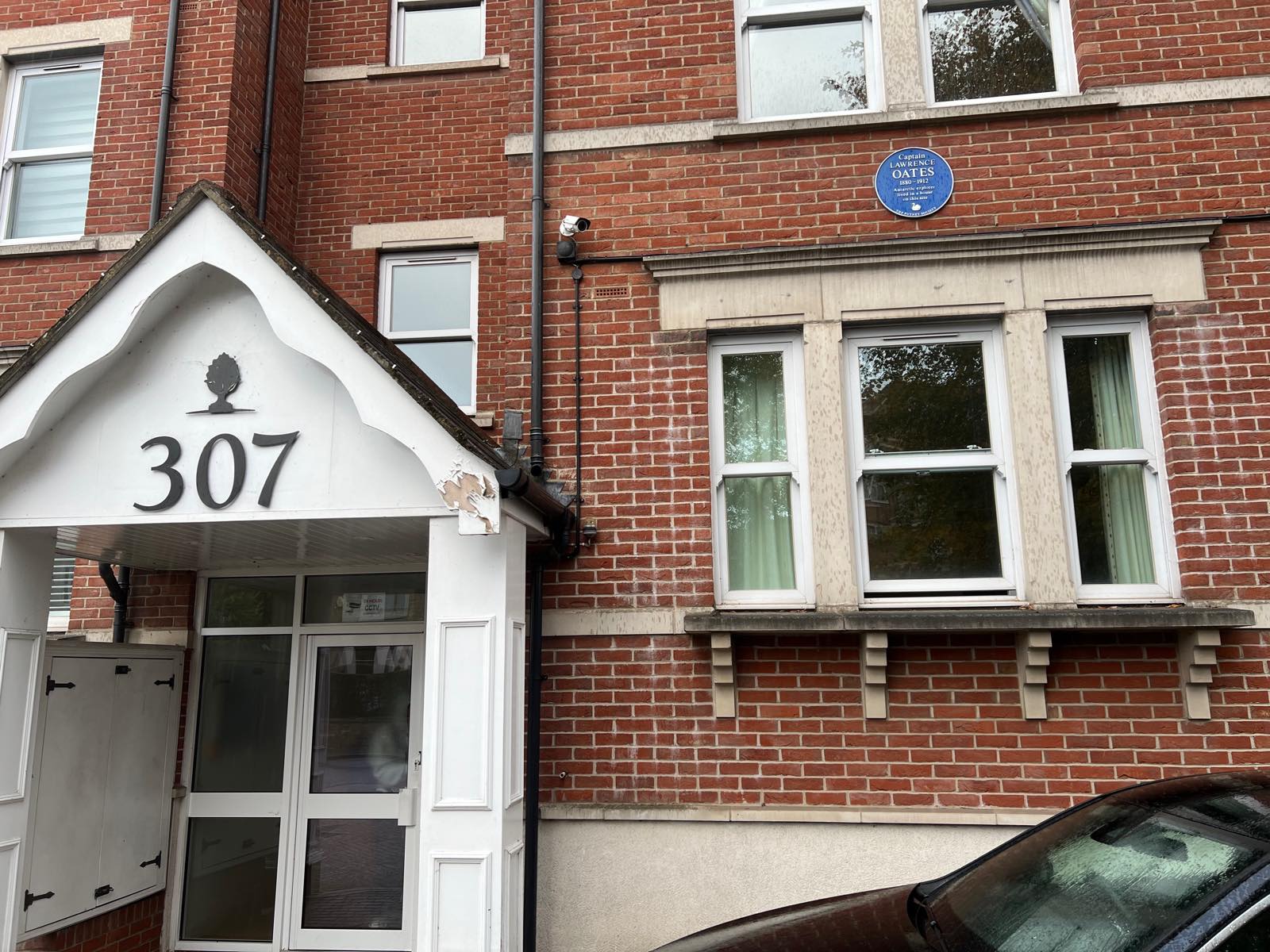
Lawrence Oates was born in Putney in 1880 and lived here until he was 11, and we still remember him with a blue plaque on the site of his childhood home. Sixty years after his death, his old Putney school gave him a year of his own: a memorial dinner, a library in his name and a 48-page booklet, A Very Gallant Gentleman. The booklet is still on the shelf at Putney Library.
It is Putney’s version of Oates, and it was written with love. It is also only one version of him. The story of the man who walked out of the tent has been told many times since he died, and not always the same way.
Five years looking for a house
The story starts with his mother. Caroline Oates kept a diary, and in January 1882 she and her husband William went house hunting in Putney, “finding nothing suitable”. Two days later: “To see a house in Stafford Terrace, Kensington. Nothing at all.”
The family was wealthy, from Yorkshire, and had come south without a settled home. Their son, Laurie to the family, had been born at 6.20am on 17 March 1880 in a boarding house on Upper Richmond Road, between Carlton Drive and the High Street. The search for a proper home went on, on and off, for five years.
In April 1885 they found No. 263 Upper Richmond Road (the road has since been renumbered, and the site is now 307), a large detached red-brick house on what was then a quiet road, close to a relative, Dr Robert Oates. “At last,” the booklet says, “the children had a real and secure home.”
Laurie was not a strong child. That year an illness inflamed his left lung, and although he loved rough games, and had just been given a donkey, play left him short of breath and sometimes coughing “until his face was blue”. The doctors said he was merely fragile, but his mother sat up with him through the winter nights, and he was sent to South Africa for the winter.
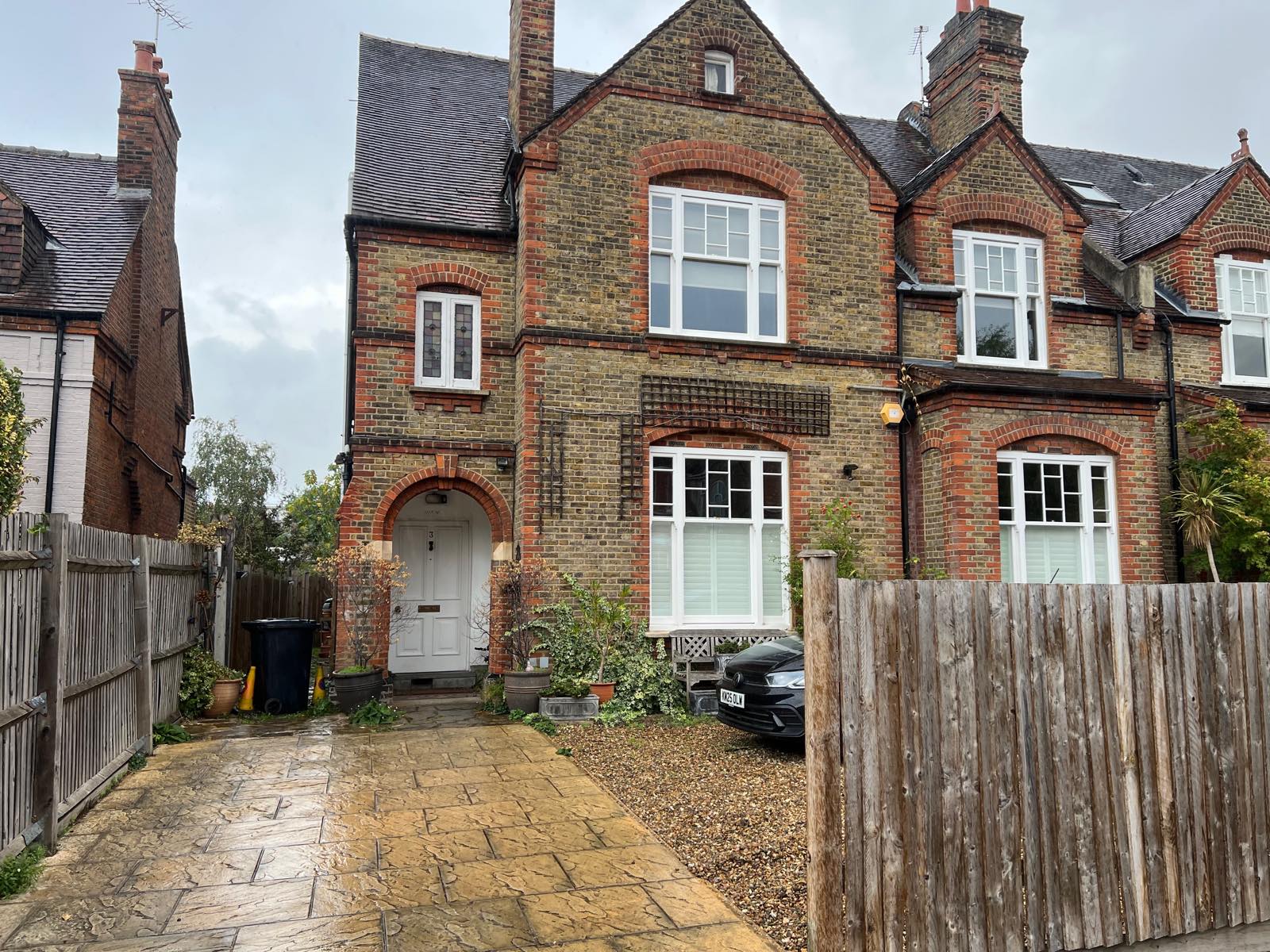
In 1886 he became one of the first pupils at a small school opened the year before by two sisters, Annie and Ada Hale, at 3 Dealtry Road. The school later moved to Willington House on Upper Richmond Road and took its name, moved again to Colinette Road in 1916, and left Putney for Wimbledon in 1990, where Willington School still runs.
Putney gave him the ordinary pleasures of a Victorian boyhood. On Boat Race day he watched the start from the garden of his friend Patty Parker’s grandmother, which ran down to the river at the Embankment and looked out over the crowds and the brand new Putney Bridge. It was the Putney the novelist Arnold Bennett described in 1908 as breathing “the romance of common sense and kindliness and simplicity”.
That childhood ended in 1891, when Laurie was 11. His father had become lord of the manor at Gestingthorpe, a village in Essex, and the family left Putney for the big house there.
Outside
Laurie went to Eton and left within two years, again because of his health. He joined the army instead, and went to fight in the Boer War in South Africa. In 1901 a bullet shattered his left thigh and left that leg an inch shorter than the other. He was recommended for the Victoria Cross, Britain’s highest award for bravery.
In 1910, now a cavalry officer who knew horses, he joined Scott’s expedition. Scott planned to use ponies to haul supplies across the ice, and Oates was put in charge of them. He also paid £1,000 of his own money towards the costs. He thought the ponies “a wretched load of crocks”. He did not think much more of the leader. “Myself, I dislike Scott intensely,” he wrote, “and would chuck the whole thing if it were not that we are a British expedition.” Scott, for his part, called him “the cheery old pessimist”.
The ponies did not last. In the end the men pulled the sledges themselves. Scott chose Oates as one of the five for the final push, and they reached the Pole on 17 January 1912.
Then they had to walk home. Home was a wooden hut at Cape Evans, on the coast, more than 800 miles away. The route ran back across the high polar plateau, down the Beardmore Glacier and over the Great Ice Barrier, a sheet of floating ice the size of France. All the way, the men were harnessed to their sledges, walking from one store of food and fuel they had left on the way out to the next. At the stores they found less fuel than they had counted on. The Antarctic summer was ending, and it grew colder by the week. By March, Scott was recording minus 34C by day and minus 44C at night.
Near the foot of the glacier, Edgar Evans collapsed and died. Oates’s feet froze and turned gangrenous. By March, eight weeks after leaving the Pole, he could barely walk, and he knew he was holding the others back. Scott kept a journal to the end, and wrote down what happened next.
Should this be found I want these facts recorded. Oates’ last thoughts were of his Mother, but immediately before he took pride in thinking that his regiment would be pleased with the bold way in which he met his death. We can testify to his bravery. He has borne intense suffering for weeks without complaint, and to the very last was able and willing to discuss outside subjects. … He was a brave soul. This was the end. He slept through the night before last, hoping not to wake; but he woke in the morning … It was blowing a blizzard. He said, ‘I am just going outside and may be some time.’ He went out into the blizzard and we have not seen him since.
Captain Robert Falcon Scott, journal, March 1912
His body was never found. Near where he was thought to have died, the men who went looking for the expedition built a memorial cairn of snow, topped with a cross. Its inscription begins: “Hereabouts died a very gallant gentleman.”
Putney’s year
“One feels quite sure that 1972 will always be remembered by the present generation of Willington schoolboys as Captain Oates’s year,” the booklet begins.
Sixty years on, Putney had not forgotten him. Willington School, by then at 5 Colinette Road, named its library after him. Every boy went home at the end of the spring term with a postcard of the five men at the Pole. The boys wrote about him, too, in poems and essays printed in the booklet. S. Shah, aged 12, imagined a night snowed into a tent and found he missed the television football: “Instead of the referee’s whistle I can hear the wind howling.”
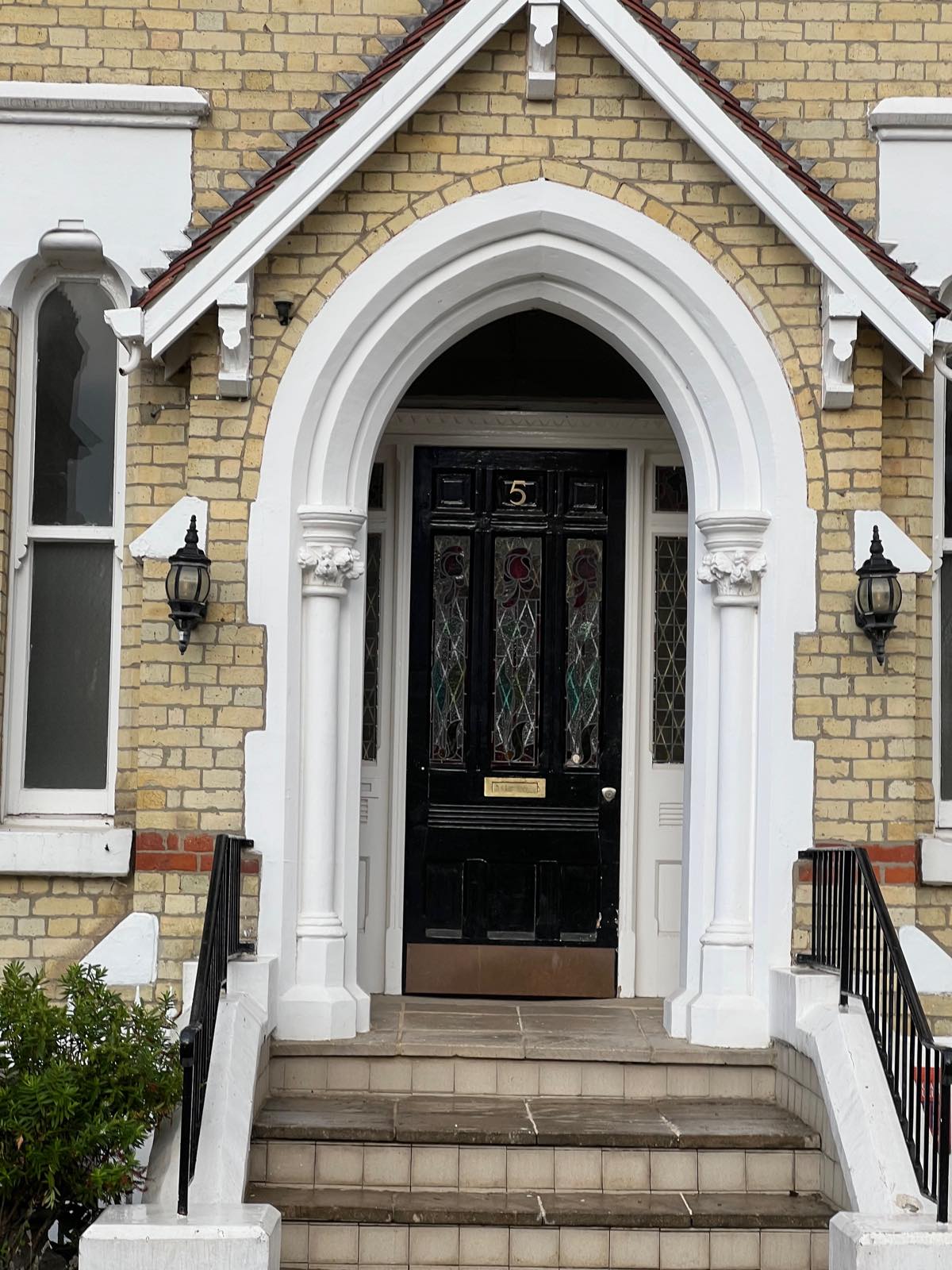
On 17 March 1972, his birthday and the date most often given for his death, the school held a memorial dinner at the newly built Dryburgh Hall. Guests took sherry at 6.30pm in a foyer from which, the booklet notes, you could glimpse the old Oates home.
The chairman of the Putney Society, the town’s civic group, Judge Ian Fife, told the guests: “Every resident must feel proud to think that man whose name must stand high on any roll of honour was a Putney man!” A senior reporter on the Wandsworth Borough News, John Sluter, was thanked as the man who had done more than anyone to make the borough honour Oates. Sluter had spent five years persuading the Greater London Council, which then ran London’s blue plaque scheme, to put a plaque on the old house. By then it was numbered 309 and was a hostel for boys run by the Church Army, a Christian charity. The plaque was unveiled there, at Stroud House, a year later, on 17 March 1973. The headmaster, K. Marx, told the Evening Standard the school would put its Oates relics on display, including photographs of him as a schoolboy.
The guest of honour had come all the way from Norway. Major Tryggve Gran had been the expedition’s young ski expert, and by 1972 he was one of its last survivors. He told the dinner how he and Oates became friends, building snow walls for the ponies in 1911 and talking about a war that might come. Gran said he would volunteer, and that won Oates over. He also told of a dream. On the night of 16 March 1912, safe at the expedition’s base camp, he heard Oates choking and asking him for “another lump”. He woke sure that, somewhere out on the ice, his friend had just died.
That year the commemoration spread beyond Putney. At a memorial service at the Royal Hospital Chelsea, the choir sang an anthem whose words could have been written for him.
Darest thou now O soul,
Walt Whitman, sung at the 1972 memorial service for Oates in Ralph Vaughan Williams’s setting, Toward the Unknown Region
Walk out with me toward the unknown region,
Where neither ground is for the feet nor any path to follow?
What the booklet does not say is what Gran did later. In November 1912 he had been one of the search party that found the tent, with Scott and two of his companions dead inside. But during the Second World War he joined Nasjonal Samling, the party of Vidkun Quisling, whose name became a byword for traitor, and which ran Norway on behalf of the Nazi occupiers. In 1948 Gran was convicted of treason and sentenced to 18 months, though he had already spent 13 months in custody and served no more. The booklet does not mention any of it, and does not say whether anyone in the room knew.
Which Oates?
The man at Putney’s top table was not the only part of the story that went untold. The legend of Oates was built fast. A year after he died, a London newspaper, the St James’s Gazette, told its readers: “Nothing in all the annals of human endeavour is more heroic than the death of Captain Oates.” The first biography, by Louis Bernacchi in 1933, a physicist who had sailed with Scott on an earlier Antarctic voyage, took its title from the cairn: A Very Gallant Gentleman. So, four decades later, did Putney’s booklet.
Bernacchi did not get far with the family, and the reason was Caroline Oates. The mother who had spent five years finding a home on Upper Richmond Road spent the rest of her life guarding her son’s memory, down to polishing his memorial plaque in Gestingthorpe church every week. She told Bernacchi she had no letters from him. According to Gilbert White’s House in Hampshire, which holds the Oates collections, the letters were in her attic all along.
Decades later, a teenager got further, because Oates’s sister Violet was willing to talk. Sue Limb began researching Oates at 16, and Violet showed her a trunk of his letters. Their mother had told Violet to burn his diary; Violet had copied out passages first. Limb wrote the book with Patrick Cordingley, an officer from Oates’s old regiment. Captain Oates: Soldier and Explorer came out in 1982 and is still in print.
Michael Smith, a former Guardian journalist turned polar biographer, got no help at all: the family would not cooperate. His book, I Am Just Going Outside, published in 2002, says Caroline Oates kept her son’s letters and diaries hidden and, from her deathbed, ordered them destroyed.
Smith’s book also told a story the family would rather had stayed private. It concerns a woman called Kit, who went to Gestingthorpe to see Caroline Oates after she married in 1926. Kit had been raised in a home in Surrey for children born outside marriage, by its owner, Blanche Wright, who had told her only that her father was a great hero. When Kit married, Blanche Wright told her who her parents were. Kit’s father, she said, was Lawrence Oates.
“She got a cold reaction,” a friend told the Guardian when the book came out. “Mrs O did not admit anything and did not wish to see Kitty again.”
Smith’s claim is that around 1900, as a young army officer, Oates fathered Kit with Ettie McKendrick, the daughter of a master builder in Paisley, near Glasgow, when Ettie was under 12; that her parents took her to Ireland to give birth in secret; and that Oates probably died without knowing he had a child. The evidence, as the Guardian set it out in October 2002, was Blanche Wright’s account and a family likeness. There is no birth certificate.
Kit’s daughter, Gillian Ward, then 72, told the Guardian that learning Ettie’s age “rather took the gilt off the gingerbread”. She added: “We are proud of the connection.” Asked at the time, the Oates family said: “We think family matters should remain private.” Limb and Cordingley, the biographers the family trusted, have dismissed the story. It has never been proved or disproved.
In 2012, the centenary of Oates’s death, Smith came to Putney to talk about his book at All Saints church on Putney Common.
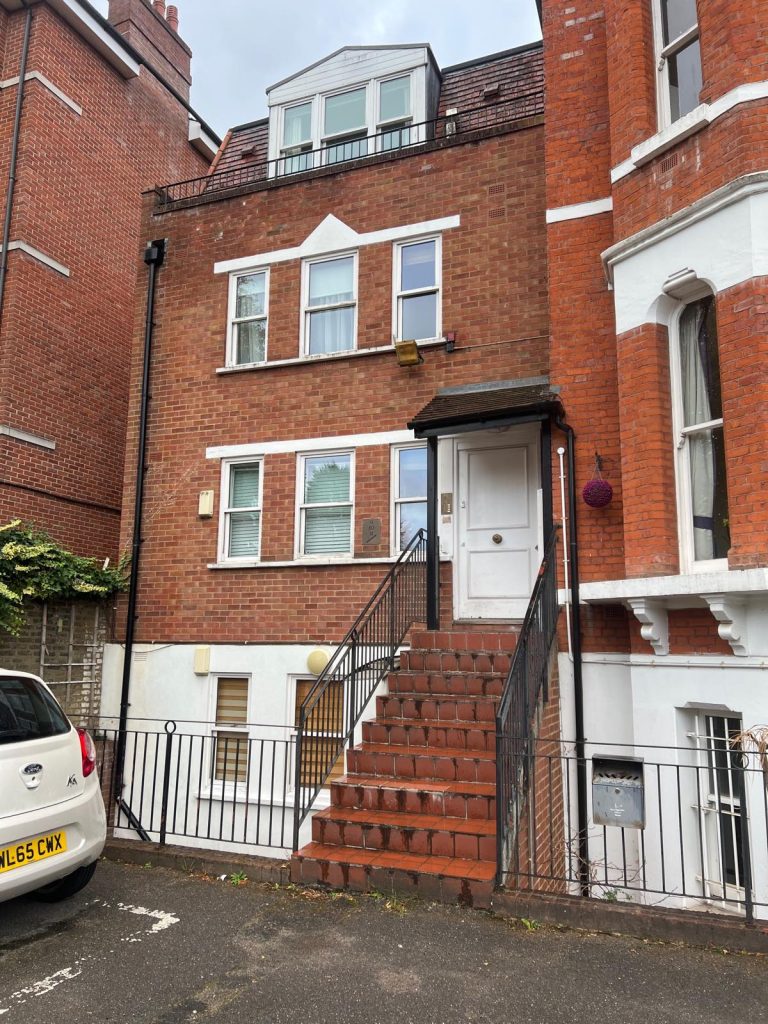
307 Upper Richmond Road
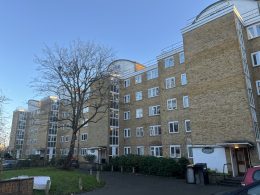
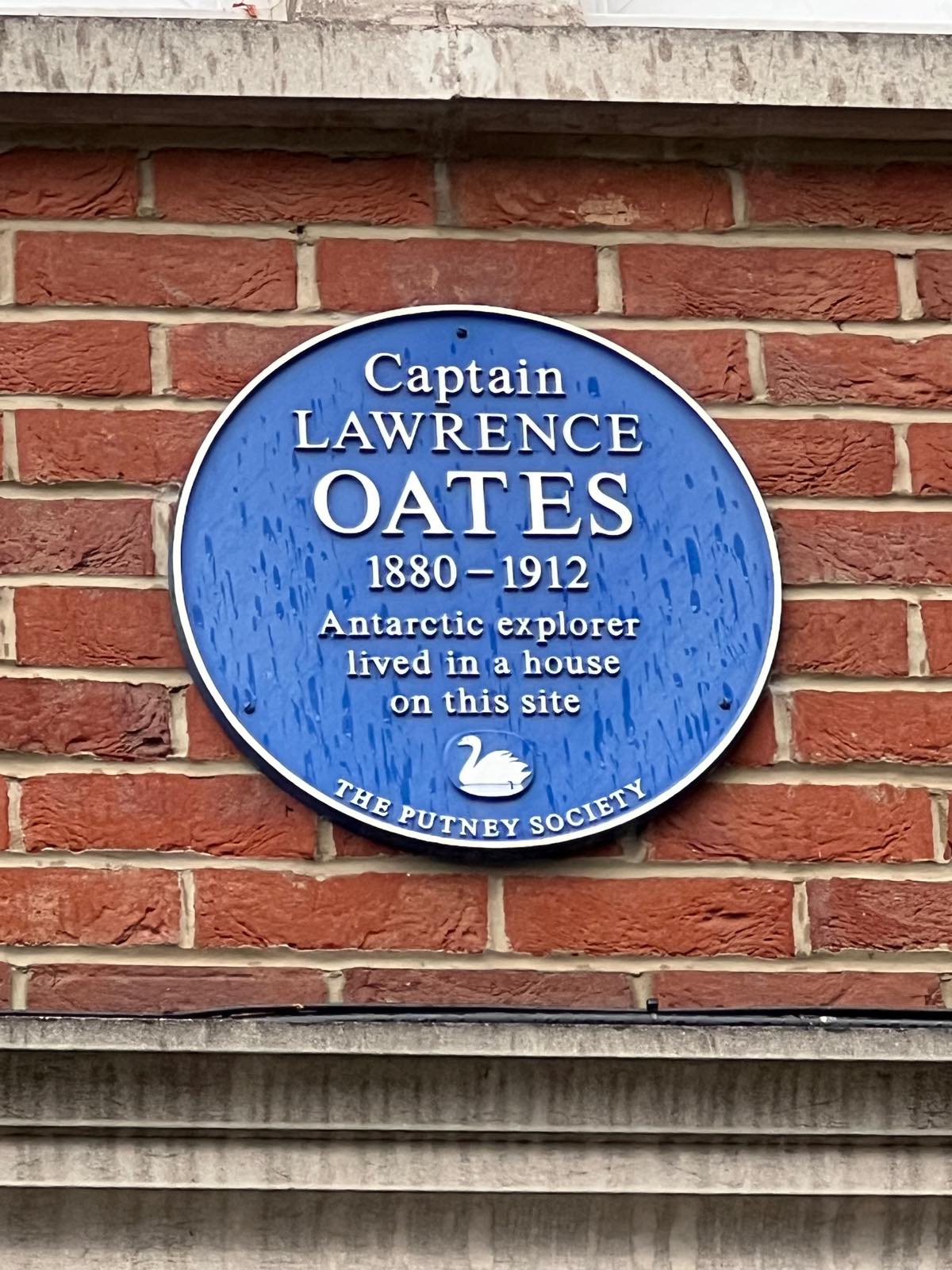
The house the Oateses spent five years looking for is gone. A block of flats stands at 307 Upper Richmond Road; the flats were first sold in 2000 and 2001. There is no sign of the plaque unveiled in 1973. On the new building is the Putney Society’s plaque number one, put up in 2007: “Captain Lawrence Oates 1880-1912 Antarctic explorer lived in a house on this site.” The plaque spells him Lawrence; the booklet, Laurence.
On Disraeli Road, in the local studies section of Putney Library, the booklet sits on its shelf. None of the three biographies is there. In the town where he grew up, the only book about Oates in the library is the one his old school made: Putney’s own version, written with love.
In 1972, a ten-year-old at his old school told the story his own way. S. Pyrke ended his poem in the tent:
With a cheery goodbye to the other men,
He left the tent . . . forever.
What the boys wrote
The boys of 1972 did not all write tributes. Some argued with Scott.
“Roald Amundsen went, but he came back,
He got back because he went prepared.”
A. Burnett, aged 12
“I would not take ponies with me because if the snow became very deep, these animals would not be able to cope.”
D. Wilkins, aged 12
“I hoped I would not wake,
For their sake.”
D. Graham, aged 11
“until the snow
Ebbs away to make way for
The new, clear sun.”
S. Treasure, aged 12
Read it for yourself
- The booklet: A Very Gallant Gentleman (Willington Association, 1972), Putney Library, Local Studies, shelf mark R 998 OATE. Ask at the desk.
- Putney Library: 5-7 Disraeli Road, SW15 2DR. Open Monday, Wednesday and Thursday 9am to 8pm, Friday and Saturday 9am to 5pm, Sunday 1pm to 5pm. Closed Tuesday. 020 8780 3085.
- The plaque: Putney Society plaque, 307 Upper Richmond Road, SW15.
- The biographies: Louis Bernacchi, A Very Gallant Gentleman (1933, out of print); Sue Limb and Patrick Cordingley, Captain Oates: Soldier and Explorer (1982, new edition 2009); Michael Smith, I Am Just Going Outside (2002).
- The Oates collections: the Oates Museum at Gilbert White’s House, Selborne, Hampshire.
- The next book: this is the first in an occasional series bringing Putney Library’s local studies books back off the shelf. Suggest the next one to editor@putney.news.