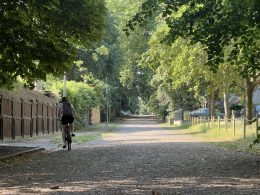
Walk Putney Park Lane on a warm evening this week and you may encounter Britain’s largest land beetle: clumsy in flight, spectacular to look at, and starting a few weeks that are the whole purpose of a life spent underground.
The stag beetle season runs from late May to late July. This is it, now. The males fly at dusk on sultry evenings, their antler-like jaws held out ahead of them, and are sometimes found resting on logs or warm tarmac. Females are smaller, with no antlers, and spend their brief adult life searching for soft wood to lay their eggs. Both are harmless.
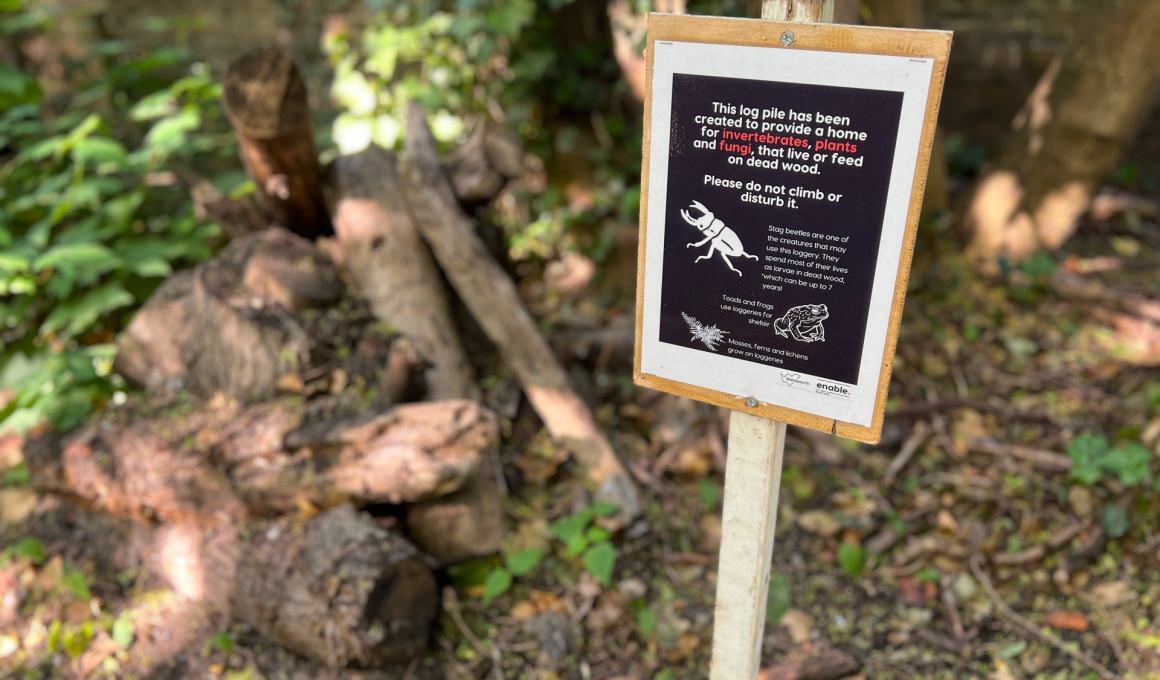
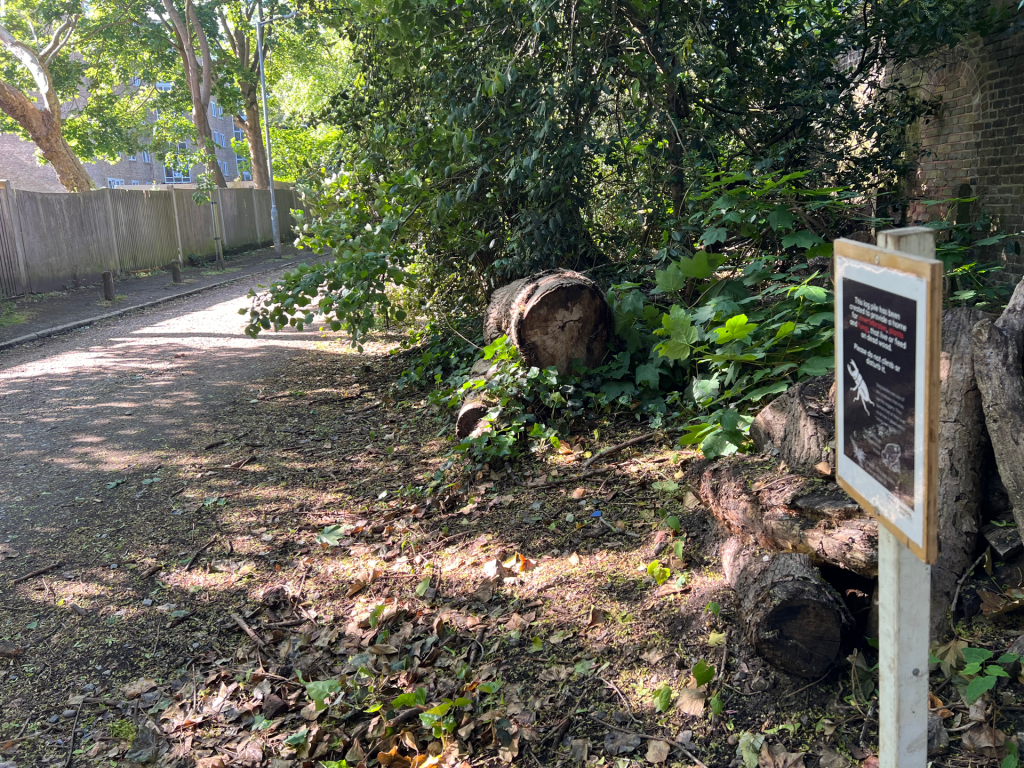
Along the lane, between Upper Richmond Road and Putney Heath, several wooden log piles have been built deliberately. They are not builder’s waste or neglected debris. Each one is a loggery: a stag beetle nursery, installed and maintained by Enable Leisure and Culture on behalf of Wandsworth Council, with signs explaining what they are and asking walkers not to disturb them. The programme has been running for at least a year; some loggeries show significant moss and lichen growth. A recently cleared stump visible near one stretch suggests the project is still expanding.
The reason the logs matter is the beetle’s extraordinary life cycle. Stag beetle adults live for only a few weeks. But the larvae they produce will spend the next four to seven years living inside those logs, tunnelling through the rotting wood, before emerging as adults in a future May or June. The sign on the Putney Park Lane loggeries puts it simply: “They spend most of their lives as larvae in dead wood, which can be up to 7 years!”
Why Putney Park Lane specifically
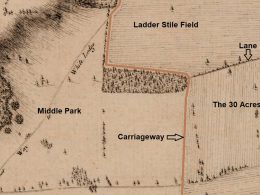
The location is not accidental. Putney Park Lane is a designated Local Wildlife Site. Wandsworth Council’s five-year biodiversity plan, adopted in February, commits to maintaining its habitats as a Year One priority. The lane runs south toward Putney Heath, which is part of one of only three sites in England designated as a European Special Area of Conservation specifically for stag beetles. The other two are Richmond Park and Epping Forest. Barnes Common, at the lane’s northern end, is prime stag beetle habitat in its own right.
The loggeries on the lane are habitat stepping stones. Stag beetles have declined significantly across Europe, disappearing from Latvia and Denmark, and south and west London remains one of the last national strongholds for the species. London recorded more than 2,100 sightings last year, the second highest county total in the country, according to the People’s Trust for Endangered Species.
If you see a stag beetle on your walk, the best thing you can do with the sighting is report it. The national Great Stag Hunt survey, run by the People’s Trust for Endangered Species and running since 1998, is collecting records now through July. Log your record at stagbeetles.ptes.org or use #GreatStagHunt on social media. If you find a beetle on a road or hard surface, pick it up gently (they are harmless) and move it to nearby vegetation or a log pile. Do not put one in a pond.
If you have a garden, PTES also offers free instructions for building your own log pile at ptes.org/campaigns/stag-beetles-2/. A stack of logs or a buried section of wood near a sheltered spot is all it takes. Putney Park Lane shows what happens when you do it at scale.
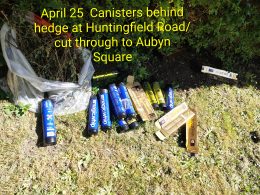
If you are joining the West Putney safer neighbourhood team’s weapons sweep on Putney Park Lane this Saturday 30 May, keep an eye on the log piles on your way through.