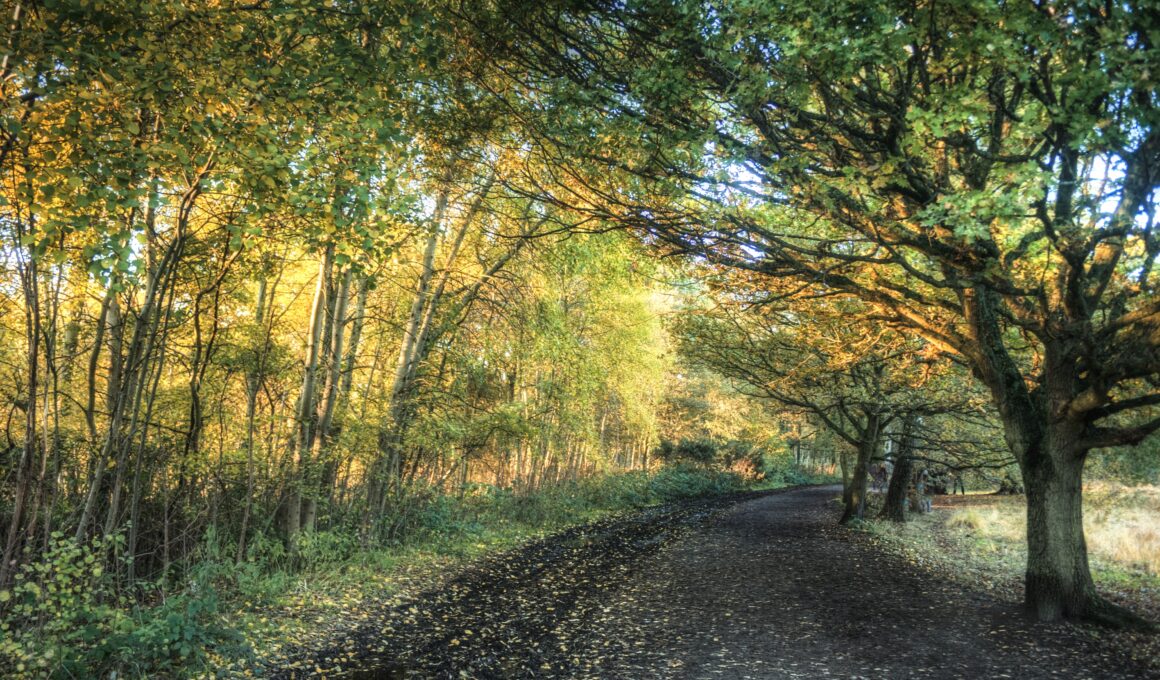
Wandsworth Cabinet approved the Wild Wandsworth Biodiversity Action Plan [pdf] on Monday, committing the borough to protecting and expanding its network of parks, commons, and habitats through to 2031.
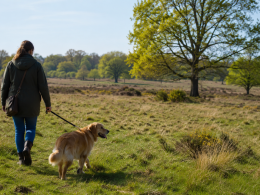
For Putney, that means a formal plan covering Wimbledon Common and Putney Heath, Putney Lower Common, Putney Old Burial Ground, Putney Park Lane, Putney Vale Cemetery, The Pleasance, and the Thames riverfront, formally designated wildlife sites, home to protected species and rare habitats.
The Open Spaces Society, Britain’s oldest conservation body, published its spring newsletter this week alongside a call for an urgent government green paper on access to nature. The OSS was founded in London in 1865 specifically to fight the enclosure of commons. Its early campaigns saved Wimbledon Common from being built over. The work it did then is why the common exists now.
The newsletter draws on new Natural England research published in December, and the findings are worth pausing on. The 27% figure is a national average, but access is far from evenly distributed.
In the least deprived areas of England, 38% of adults live within a five-minute walk of a greenspace. In the most deprived, just 26% do. White adults are nearly twice as likely to have a greenspace within five minutes as Black or Black British adults.
Over a third of people with significant health conditions live more than 15 minutes from their nearest greenspace, compared to a quarter of those without. And proximity alone is not enough: those who perceive their local greenspace as low quality are 60% less likely to visit it regularly. Having a greenspace nearby and having a good greenspace nearby are different things.
The society’s general secretary, Kate Ashbrook, is direct about what needs to happen. The government committed in December to ensuring everyone lives within a 15-minute walk of green or blue space, a pledge, she notes, that the previous government also made in 2023. “We need that green paper now,” she writes. She also argues that the use of parks for commercial events “must stop: they keep people out and degrade the terrain”, a point that will resonate in a borough that has faced its own debate about events in its parks.
That gap between national aspiration and local action is exactly where Wild Wandsworth sits. The plan builds on five years of genuine progress: since 2020, the borough has created 2.2 hectares of new habitats, planted more than 2,600 street trees, secured 61 Tree Preservation Orders, and seen its Parks for London ranking climb from 21st to 8th. Seventy-four per cent of the borough’s local wildlife sites are now in positive management, up 13 percentage points since 2021.
For Putney specifically, the plan commits to habitat maintenance at Putney Park Lane, a local wildlife site linking Putney Lower Common to the north and Putney Heath to the south, as a Year One target, with work due by the end of 2026. A full survey of all designated wildlife sites across the borough is planned for 2026 to 2028, the first comprehensive update in years.
What Putney residents told the consultation
The plan was shaped in part by 246 responses to a public consultation held last summer. Putney voices came through clearly: the Thames riverside at Putney received more mentions as a connection-to-nature location than any other riverside site in the borough. Putney Lower Common and Putney Heath both ranked among the top sites overall.
The Putney Society’s Open Spaces Panel made a detailed submission, and two of its concerns have been taken up in the plan. On trees, the Society was direct: “Defence of trees on development sites needs to be significantly strengthened. One new tree takes 20 years to replicate the impact of a mature tree, both in terms of the habitat it offers and its benefits in temperature control and removal of air pollution.” A strengthened Tree Preservation Order framework is now part of the plan.
The Society also flagged a more awkward finding: that a citizen science event in West Putney was attended by just three people, all from the Putney Society itself, and that they had only found out about it by chance. Better communication with park users is now explicitly embedded in the plan’s commitments. Local groups shaped this document; now they will be watching whether its promises are kept.
Judith Chegwidden, chair of the Putney Society’s Open Spaces Panel said of the approved plan: “The Society welcomes the Wild Wandsworth Biodiversity Action plan and looks forward to seeing quantified outcomes from the initiatives set out in the plan.
“We are disappointed that the Stakeholders Group will not be set up until 2027 but welcome the idea that large local landowners will be included in the group and suggest that it should include the expertise of the London Wildlife Trust.”
Get involved
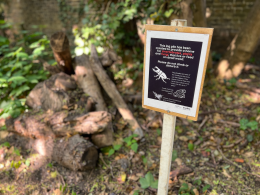
The plan’s Year One targets include expanding citizen science, with volunteers needed to monitor flora and fauna across the borough. The biodiversity hub, which will bring together monitoring data and volunteer opportunities, is due to launch in the final quarter of 2026. Wandsworth in Bloom, the borough’s annual garden competition, welcomes entries from residents, schools, and community groups throughout the year.
For enquiries about volunteering or the plan, contact the Wandsworth biodiversity team at biodiversity.wandsworth@richmondandwandsworth.gov.uk.
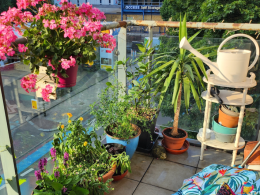
The Putney Society’s garden competition is also open for entries, a reminder that the borough’s green space doesn’t begin and end at the commons.
The Wild Wandsworth plan runs to 2031. The question it has set itself is not whether Putney has good green spaces today (it clearly does), but whether the generation growing up here will have them too. The first annual review will show whether the commitments made this week translate into results.