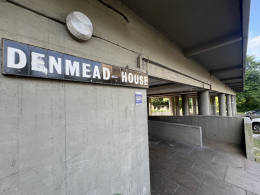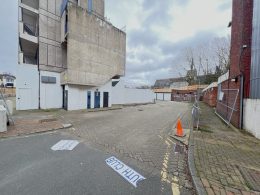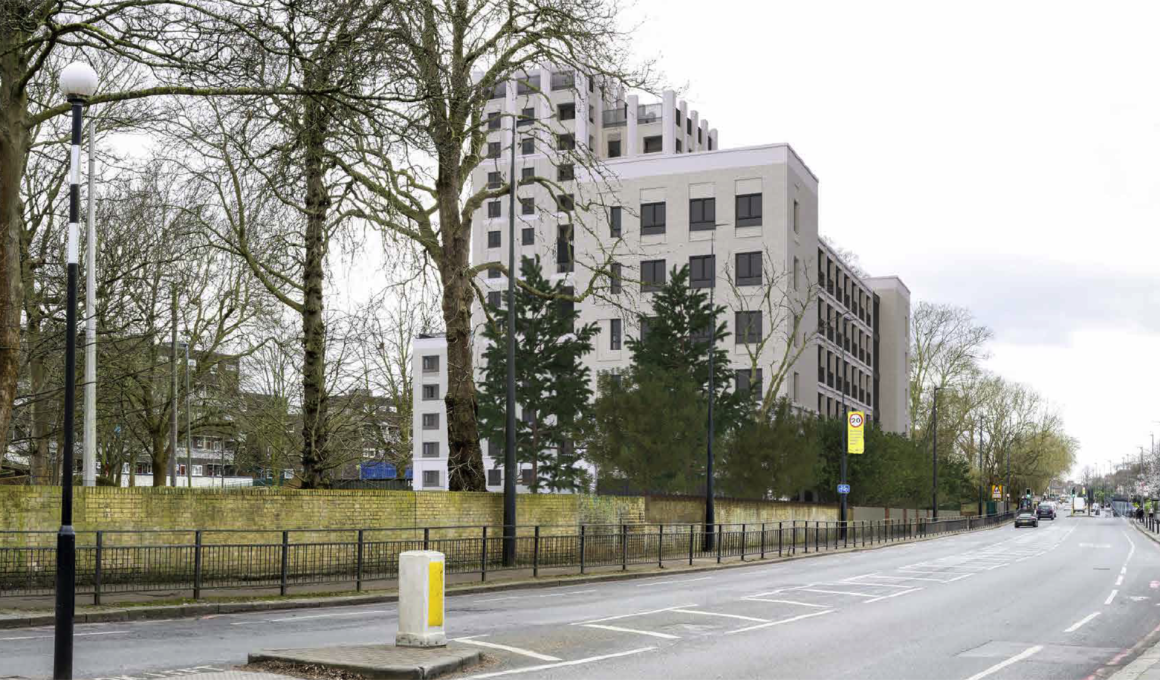
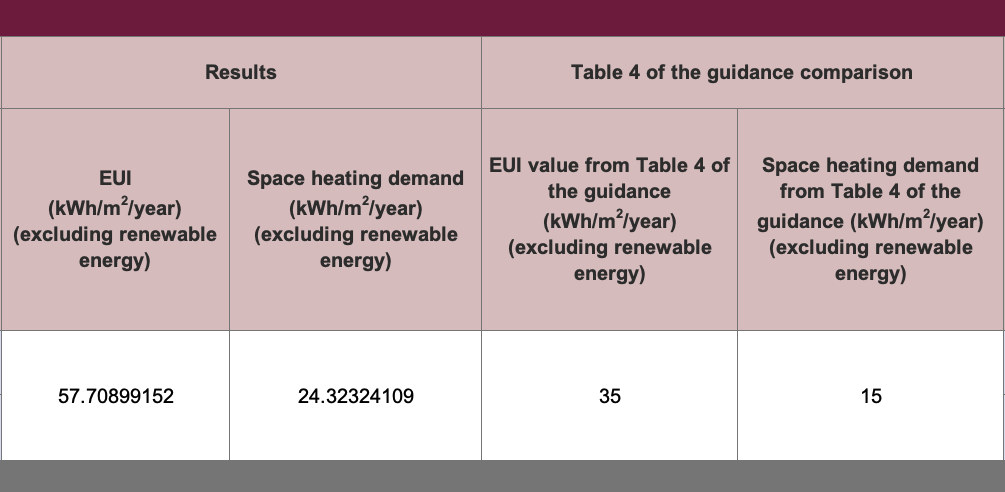
Wandsworth Council has promised that any new homes will “meet or exceed sustainability standards”. But its own planning documents for a new development in Roehampton tell a different story: the 81 new council homes proposed for the Lennox Estate are predicted to use 65 per cent more energy than benchmarks.
Not only that but the council’s documents flout the local authorities’ own requirement to explain why it feels it is unable to meet the correct threshold.
The council is both applicant and planning authority for this scheme. It sets energy standards for private developers, collects climate awards, and criticises others for backsliding on green commitments. Now it is asking itself to approve homes that miss the targets it demands everyone else meet.
For council tenants on low incomes, this means higher heating bills. That’s not a technical footnote. It’s money they don’t have.
The numbers come from the council’s own submission. The Lennox Estate spreadsheet predicts 57.7 kilowatt hours per square metre per year. The benchmark is 35. Space heating shows a similar gap: 24.3 against a target of 15.
GLA guidance requires developments that miss these benchmarks to justify the shortfall. The council’s sustainability statement addresses the non-residential part of the scheme, a small community space. But for the 81 homes that make up the bulk of the development, nothing.
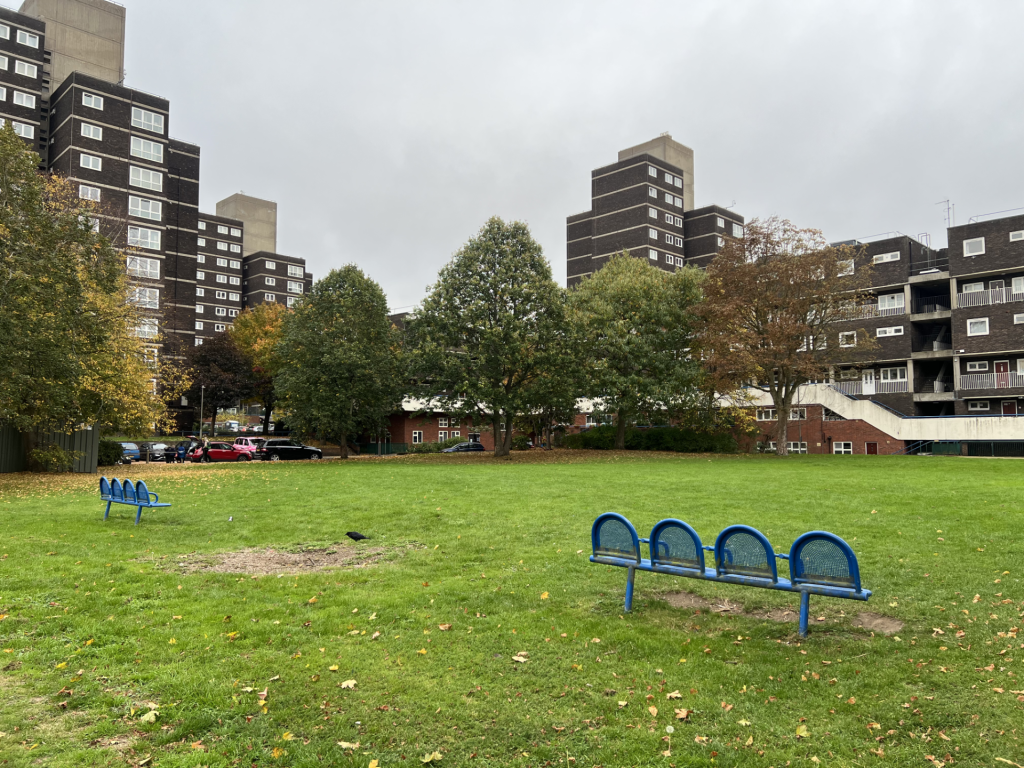
Do what we say, not what we do
This sits awkwardly with the council’s public stance. Wandsworth declared a climate emergency in 2019. It has pledged to become a net zero borough by 2043 and a carbon neutral council by 2030. Its website promises new build homes will have “passive-house levels of air tightness and insulation”. In September 2023, Council Leader Simon Hogg attacked the government for “rowing back” on climate targets: “We are sticking to the pledges we’ve made to cut our carbon emissions to zero as quickly as we can.”
The council has won an A-grade from the Carbon Disclosure Project and ranked joint third of 186 councils in Climate Emergency UK’s scorecards. It boasts of “working with organisations who meet high sustainability standards to develop new buildings”.
The Lennox Estate documents suggest different standards apply when the council builds for itself.
The same documents also contain an error that suggests a lack of care and attention to detail. The carbon offset field, which should show £95 per tonne, instead shows £87,485. This produces a calculation of £80 million instead of the correct figure of around £87,000. A note in the spreadsheet says “this is based on £95 per tonne”, directly contradicting the number entered one cell away.
If nobody spotted a figure nearly a thousand times too high, what else was missed?
Growing slate of problems
This is the third problem to emerge from planning application 2025/4170. The council ran the consultation over Christmas, giving residents 1,000 pages to review while offices were closed. A risk assessment revealed the site was bombed twice in the Second World War and may contain unexploded ordnance never surveyed for the current scheme.
That’s not all either: there is also a question about heating. The site sits in a Heat Network Priority Area, where London policy expects developments to connect to shared heating systems or at least design for future connection. The Lennox Estate won’t connect. The documents say “future connection” has been provided for, but don’t explain what that means.
The development does include heat pumps, solar panels, and mechanical ventilation with heat recovery. The homes will be more efficient than the 1970s buildings they replace. The mandatory carbon reduction targets are met.
But benchmarks exist for a reason. They represent what London expects from new housing built during a climate emergency. When the gap is this wide, the justification absent, and the council marking its own homework, residents are entitled to ask: do the rules apply to everyone, or everyone except the council?