Campaigners opposing the All England Lawn Tennis Club’s controversial expansion into Wimbledon Park are taking their fight to the Court of Appeal.
Save Wimbledon Park (SWP) have formally applied for permission to appeal Mr Justice Saini’s decision to uphold planning permission granted by the Greater London Authority (GLA). A decision on whether the appeal can proceed is expected within 2-4 months.
The campaign group believes it has strong grounds challenging what it calls the “irrationality” of the GLA’s decision over a statutory trust that protects the former golf course land from development.
Trust at Heart of Legal Battle
Central to SWP’s case is section 164 of the Public Health Act, which they argue should apply and which prevents any development on the land, making the tennis club’s promised public benefits “undeliverable.”
Remarkably, even the All England Club appears to acknowledge this legal obstacle. In separate proceeding, the AELTC has stated that “the application of s.164 [the trust] to the Golf Course Land would be incompatible with the Project.”
Jeremy Hudson, a director of SWP, said: “Above all, this is a public interest case. Planning is ultimately concerned with whether a development is in the public interest. The existence of rights of the public, imposed through the statutory trust and the restrictive covenants in the public interest, should plainly be very material to the planning decision.”
The appeal also challenges the GLA’s finding that the tennis club’s expansion was “not particularly time sensitive” – a conclusion that surprised many given AELTC’s claims about needing to relocate their qualifying tournament before their Roehampton lease expires.
SWP argues this finding was crucial to the planning balance, particularly when assessing whether “Very Special Circumstances” justified building on Metropolitan Open Land – London’s equivalent of Green Belt protection.
Broader Implications for London’s Green Spaces
The case has attracted support from environmental campaigners across London who see it as setting a dangerous precedent for development on protected green spaces.
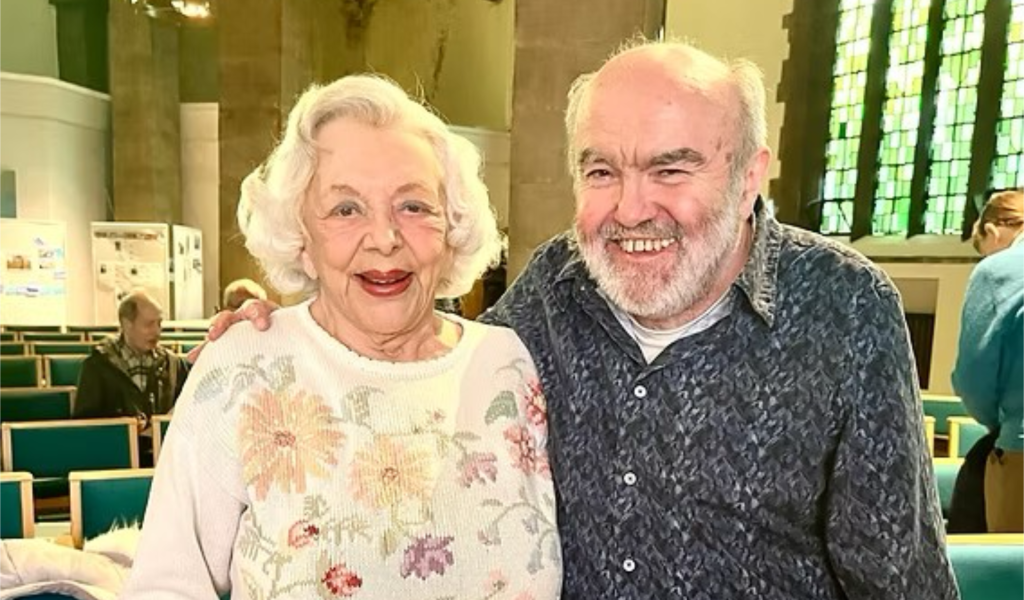
Actress Thelma Ruby warned: “This case is precedential and if it is not stopped will mean that a lot of other MOL (Metropolitan Open Land) parks will be concreted over.”
Writer Andy Hamilton described it simply: “A rich private tennis club is looking to make itself even richer by tripling in size, at devastating cost to the local environment and community.”
Caroline Day from Whitewebbs Park, where campaigners are fighting similar proposals by Tottenham FC, said: “The takeover of parks is a form of 21st century enclosures – and it’s about greed not need.”
Even if the planning appeals fail, SWP points out that restrictive covenants on the land remain in place, requiring it to be “kept open and free of built development.” These can only be released by Merton Council, which SWP argues holds them “for the local community” and cannot simply give them away.
Hudson expressed disappointment that “Merton remain totally silent about the covenants” and hopes the tennis club will “engage constructively with us, with a view to achieving a resolution of this four-year-old dispute.”
The campaign has successfully crowdfunded its legal costs and secured Aarhus Convention protection against adverse costs – meaning they won’t face the tennis club’s legal bills if they lose. If permission to appeal is granted, they plan to crowdfund the full appeal hearing expected next year.
The £200 million development would see the AELTC build an 8,000-seat stadium (104 metres wide and 28 metres high), 38 additional grass courts, and 10 further buildings including a 30,000 square foot maintenance hub, plus 9km of roads and paths. Campaigners say this would require felling around 800 mature trees from what they describe as a “precious heritage landscape.”
January Showdown Over Trust
A separate and potentially decisive legal battle looms in January 2026, when the High Court will determine whether a statutory trust actually exists protecting the former golf course land for public recreation.
The tennis club denies any such trust exists, but the GLA granted planning permission “on the presumption that the Golf Course Land is subject to a statutory trust.” If confirmed, the AELTC has already admitted this would make their project “incompatible with the development.”
SWP argues Merton Council failed to properly cancel the trust when it leased the land in 1981 and sold it in 1993. Remarkably, the tennis club has agreed to pay SWP’s legal costs for this case.
Local MP Paul Kohler has backed the campaigners’ position on the restrictive covenants that were imposed to ensure the AELTC kept its original commitment never to develop the land.
With legal battles continuing on multiple fronts and fundamental questions about who controls London’s green spaces at stake, the Wimbledon Park dispute looks set to run well into 2026 – with Merton Council potentially holding the ultimate cards.