Most of the streets Putney’s writers knew are still here, and you can walk past their front doors in an afternoon. This is the walk that goes with our long read on what Putney has meant to its writers. It takes in three places: the river and Deodar Road, Putney Hill, and the Common. Walk each one, and take the bus between them.
The river
Start at St Mary’s, at the foot of the bridge. Samuel Pepys came here by boat on a Sunday afternoon in 1667, dozed through the sermon and lost his hat down a hole under the pulpit. The 15th-century tower is still there; the rest of the church was rebuilt in 1836 and again after a fire in 1973.
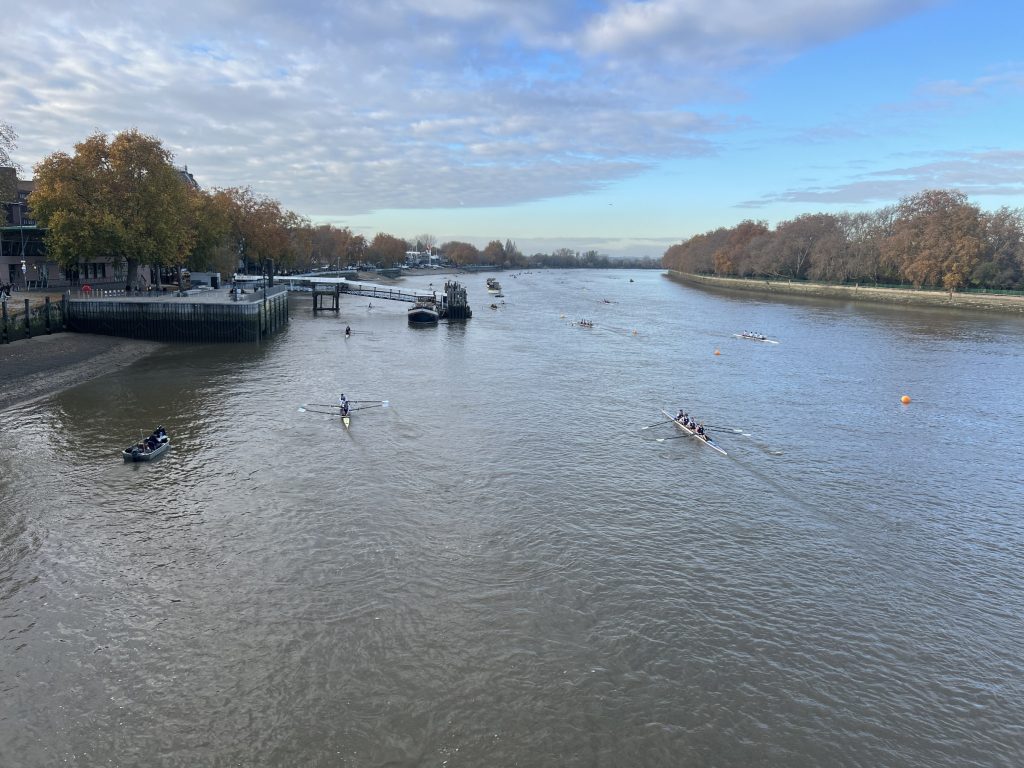
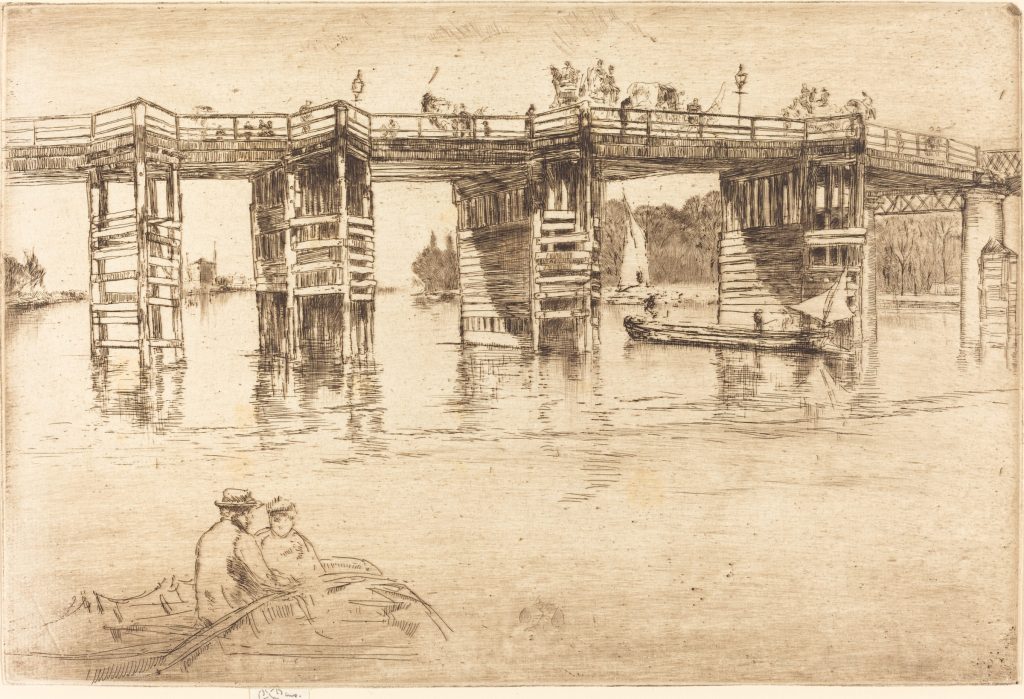
The bridge beside it is Joseph Bazalgette’s, opened in 1884. Before it stood a wooden toll bridge, a halfpenny to cross on foot. Mary Wollstonecraft tried to take her own life there in 1795; she was rescued, and lived. In 1879 a hansom cab came over it carrying Algernon Swinburne, gravely ill, on his way to thirty years on Putney Hill.
Walk east along Putney Bridge Road, which was Wandsworth Lane when Lewis Carroll came to stay with his uncle at Park Lodge. Carroll photographed the family there playing whist, and in 1856 his uncle and their neighbours at Fairfax House, which has since gone, gave parties for 250 local children.
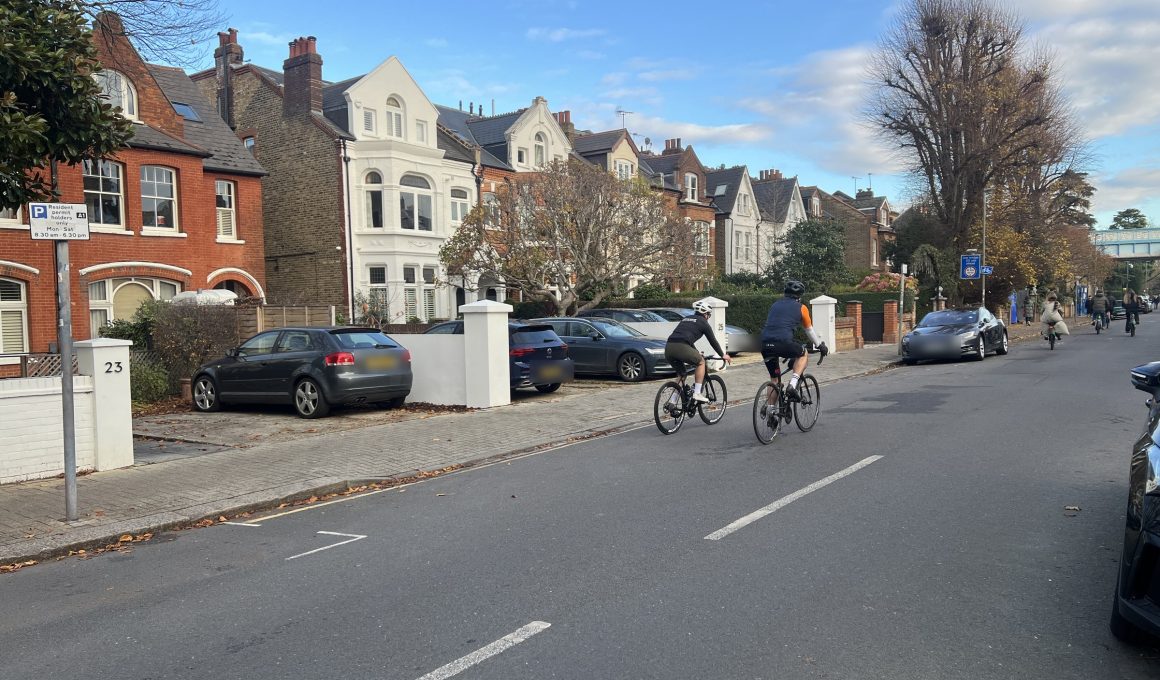
Turn into Deodar Road. The houses on the river side have gardens that run down to the Thames. In the 1960s and 70s the Irish novelist Edna O’Brien lived for a while in a modest house here, and Richard Burton, Marlon Brando and Paul McCartney came to call. In her memoir, Country Girl, she describes the river at the bottom of the road as “porter brown”.
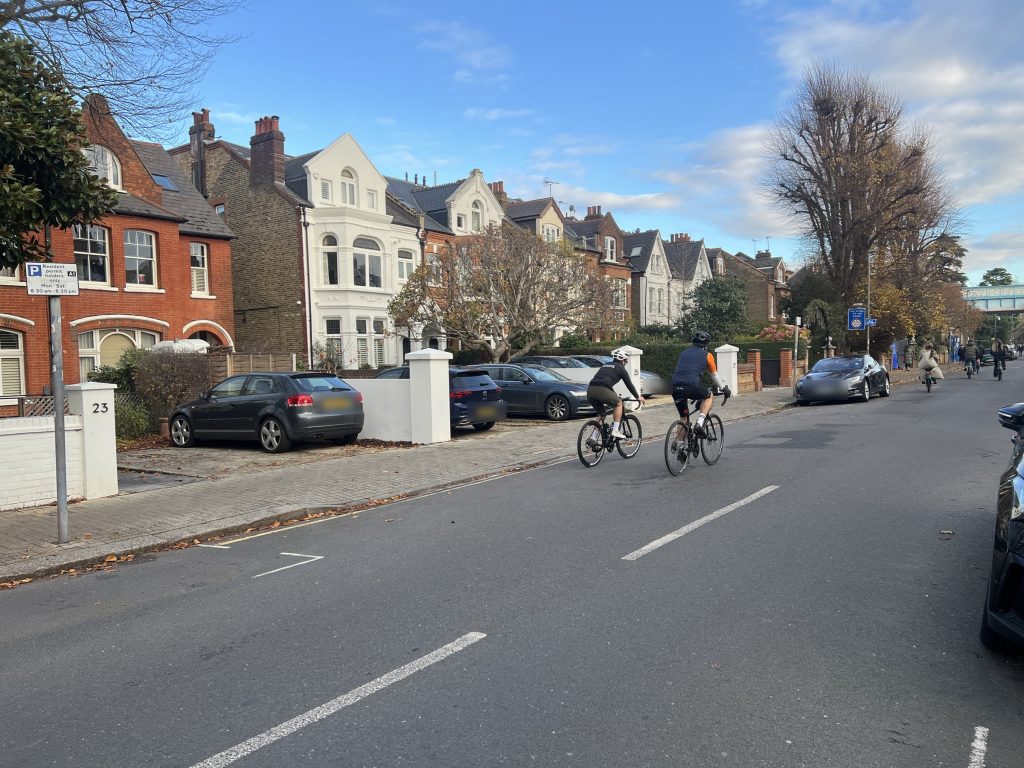
At number 49 the composer Peter Zinovieff built an electronic music studio in the garden. His daughter, the novelist Sofka Zinovieff, grew up in the house and drew on it for her novel Putney, about the sexual abuse of a child. At number 79 a Putney Society blue plaque marks the painter Sidney Nolan, who lived and worked there from 1960 to 1976. The road looks essentially the same.
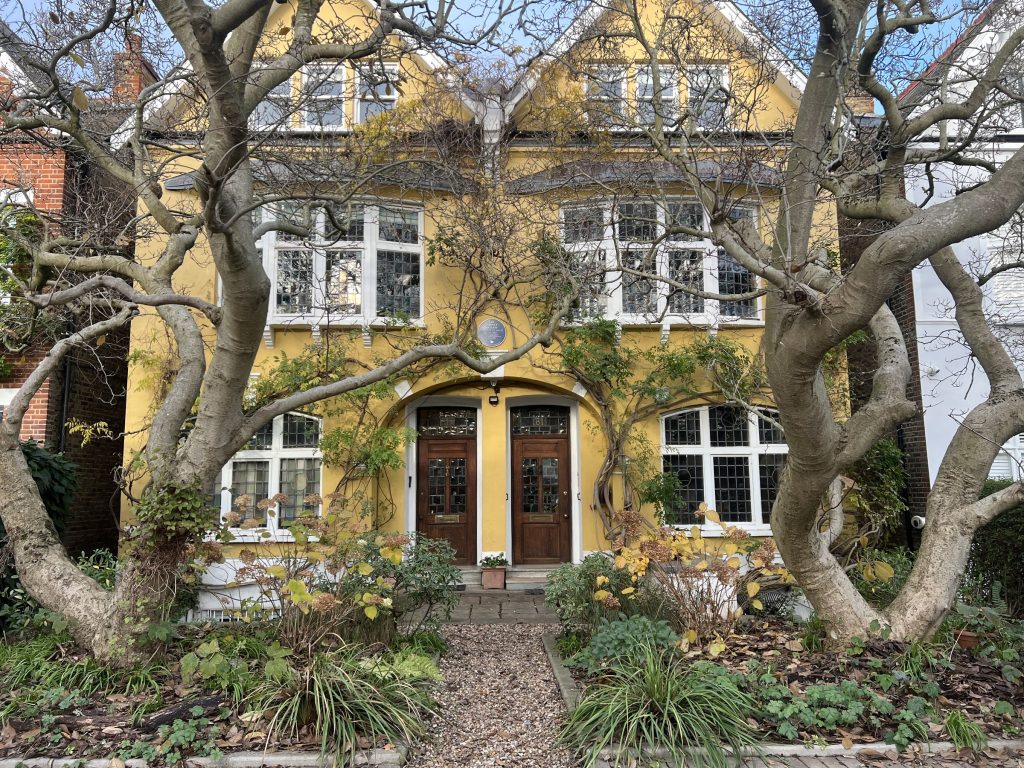
Walk on to the footbridge beside the railway bridge and look back at the gardens running down to the water.
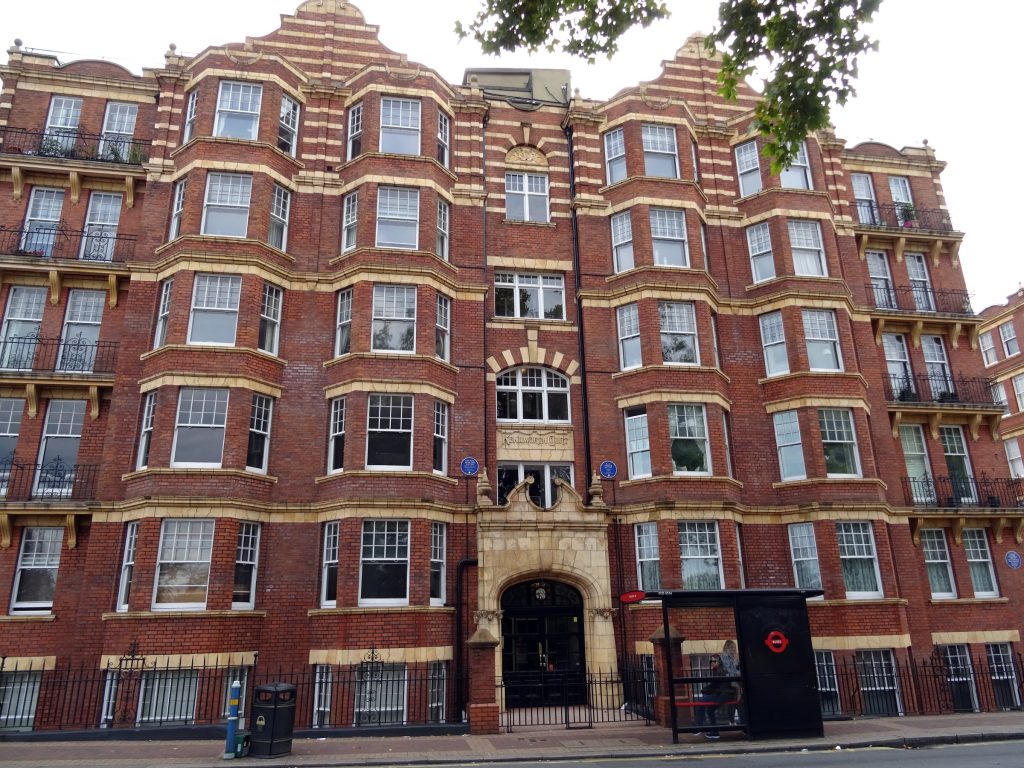
Back past the bridge, along the Lower Richmond Road, are two mansion blocks with writers in them. The poet Gavin Ewart lived at Kenilworth Court from 1963 until his death in 1995 and wrote often about Putney life; the Putney Society put up a blue plaque to him in 2009. The novelist William Cooper lived there too. A little further on, J. R. Ackerley spent twenty-six years in Star and Garter Mansions, where he wrote My Dog Tulip about his Alsatian and her chases after rabbits on Putney Heath.
Putney Hill
Walk up the High Street to Werter Road, which starts, as Arnold Bennett put it in 1908, at the corner of the High Street “where the fish-shop was”. Bennett hid the hero of Buried Alive, a famous painter posing as a nobody, at number 29. At number 22 lived E. M. Forster’s aunt, whom he came to visit; there is a photograph of him there with his mother in 1902, but no plaque. When Swinburne first arrived in Putney he stayed briefly in this street, with his friend Theodore Watts-Dunton’s sister.
At the bottom of Putney Hill, on the corner with the Upper Richmond Road, is Zeeta House, opened in 1938 with a shop, a restaurant and a ballroom. In William Cooper’s novel Scenes from Married Life the hero strides down the hill past the Zeeta cafe, humming.
In 1934 a nineteen-year-old Laurie Lee took a room over a cafe beside the railway, which shook as the trains went by, and started to write there. Lee placed it on the Lower Richmond Road, Sue Rolfe writes, but local archive research points to the Upper Richmond Road near East Putney station; nobody knows which building it was.
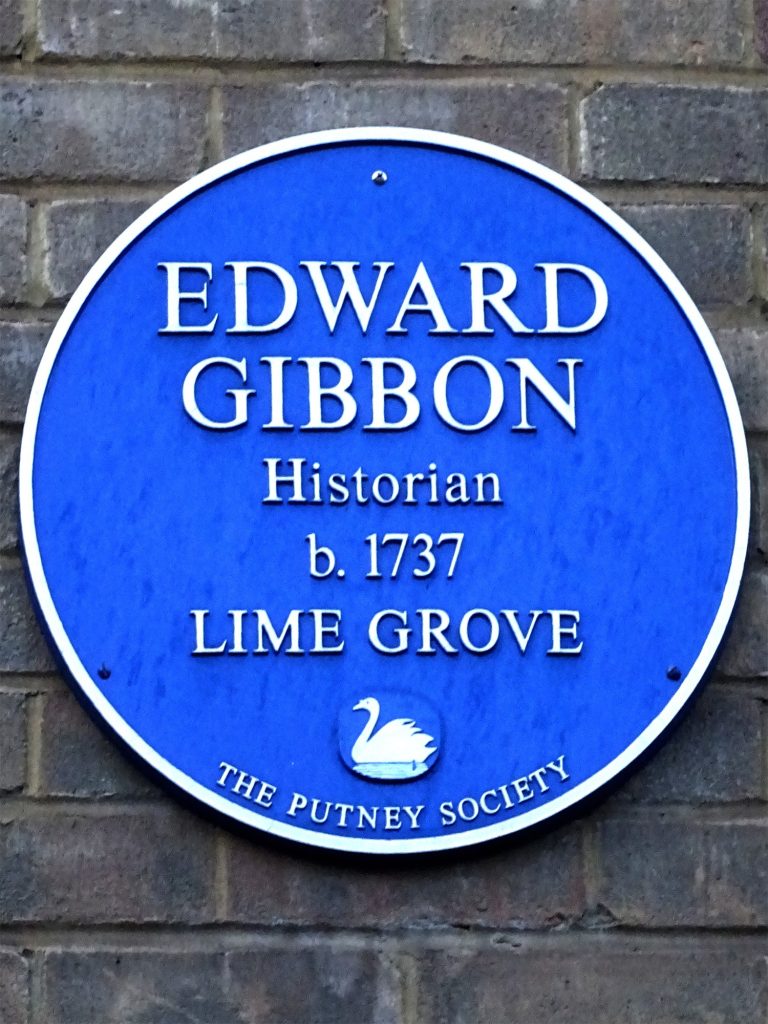
Much of this corner was once one estate. Lime Grove, where the historian Edward Gibbon was born in 1737, ran from the High Street up to Putney Heath Lane, between the Upper Richmond Road and Putney Hill. A plaque at 139 Upper Richmond Road marks roughly where its stables gate stood.
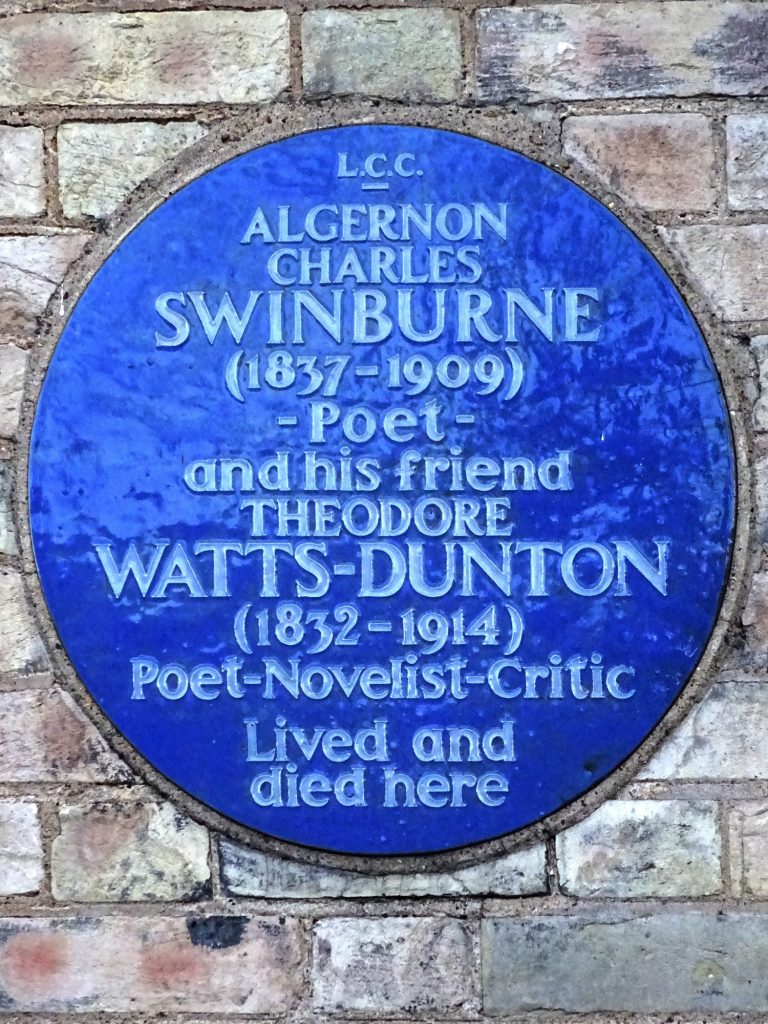
A little way up the hill is The Pines, number 11, where Swinburne and Watts-Dunton lived for thirty years from 1879; a London County Council blue plaque on the house names them both. A trace horse used to stand at the foot of the hill to help the horse bus up, and children put pennies for its keep in a box outside The Pines. Swinburne would sometimes come out and pat a child’s head.
The rest of the hill is a long climb, so take the 93 from Putney Station, just below The Pines, to the Putney Hill / Green Man stop at the top.
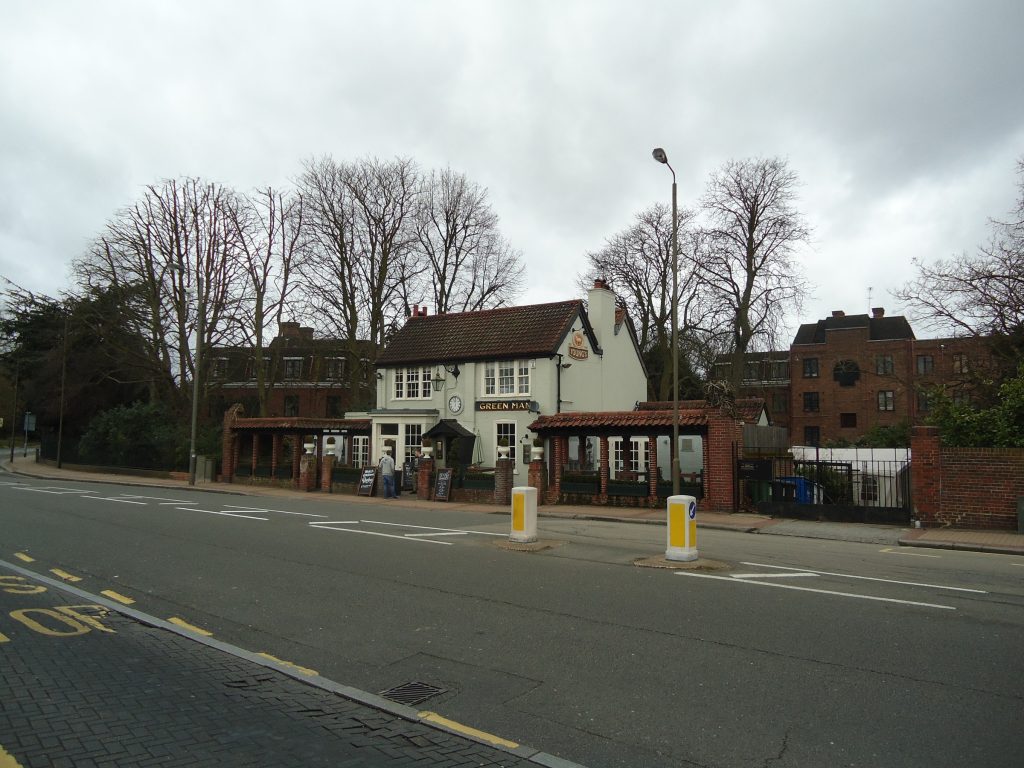
At the top of the hill, Laurie Lee worked as a labourer building the flats at Manor Fields. Across on the Heath, the magazine publisher Sir George Newnes bought a house built in 1776 called the Fireproof House, pulled it down and added the land to his own grounds; flats called Wildcroft Manor stand there now. The inn at the top of Putney Hill is where H. G. Wells’s narrator spends a night in The War of the Worlds, lighting no lamps for fear of the Martians. Wells never names it; Sue Rolfe takes it to be the Green Man. Turn round for the view back down towards the river.
The Common
For the Common, take the 93 back down the hill to St Mary’s Church. From the Putney Pier stop on the Lower Richmond Road, the 22, 265, 378 and 485 all run west to Commondale.
On the edge of Putney Lower Common stood West Lodge, “the last house in London”, where the playwright Douglas Jerrold lived in the 1840s and 50s. He gave dinners in a tent on the lawn, and after one of them Charles Dickens and his friends played leapfrog on the grass. The house has gone, and so has Putney Hospital, which took the site in 1912; a primary school and flats stand there now. Jerrold’s name lives on in a block in Commondale, built after bomb damage in the Second World War.
From 1972 to 1982 Jilly Cooper lived on Egliston Road, just by the Common, and walked her setter here every day; the walks became The Common Years. Leonard Woolf grew up nearby at 9 Colinette Road, in a villa his family called Lexham, from 1894 to 1914; Rolfe records that he taught Forster to ride on Putney Common.
The Common is open today because it was fought for. Earl Spencer tried to enclose and sell the commons in 1864, lost, and an Act of Parliament in 1871 put them in the care of elected Conservators. The conservation area around the Lower Common followed in 1978.
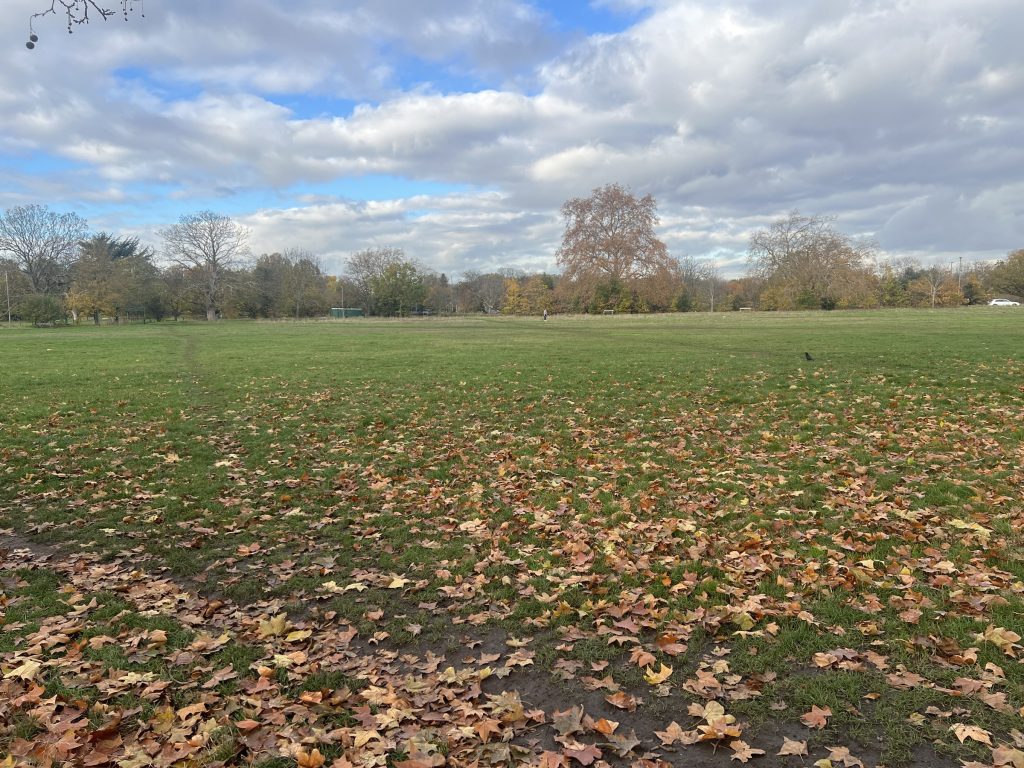
Most of what these writers looked out on is still there: the river, the hill and the Common. It is the big houses that went.
Where the books are
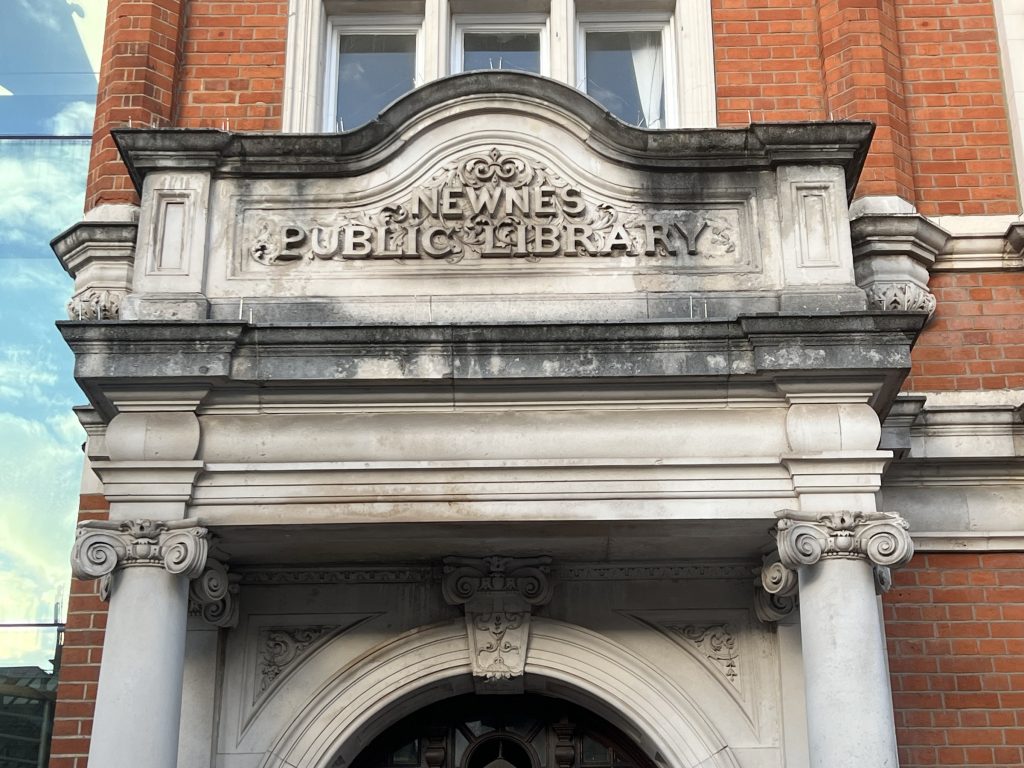
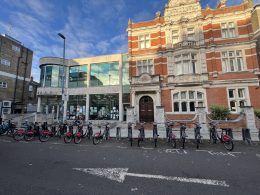
End at Putney Library in Disraeli Road, which Newnes paid for and which opened in 1899. In the Local Studies collection, ask for Sue Rolfe’s Literary Putney and its Environs (823.009), which gave this walk most of its addresses, and Scott MacRobert’s Putney and Roehampton: A Brief History (942.166 PUTN). Our pick of the books themselves will tell you which to take home.