That inherited ring gathering dust in a drawer, the old painting in the spare room, the china service from a great-aunt’s estate – any of them could be hiding significant value. On Wednesday 5 November, Putney residents have a chance to find out when Bellmans Fine Art Auctioneers brings three specialists to Winchester House Club for a free valuation day.
The event runs throughout the day at the Thames-side venue, offering complimentary, no-obligation assessments of jewellery, fine art, and antiques. Walk-ins are welcome, though appointments can be booked for more in-depth consultations.
Three specialists will be on hand: Liberty King FGA assesses gemstones, diamonds and designer jewellery; Michael Grist, a senior picture specialist, values paintings, prints and works on paper; and Senan MacDonagh provides general valuations across antiques and collectables.
All three work for Bellmans, a West Sussex-based auction house established in 1989 that has grown into one of the largest in South England. The firm sells over 20,000 lots annually from its substantial 27,000-square-foot saleroom, with leadership including specialists who previously worked at Christie’s.
When car boot bargains become five-figure surprises
The company can point to several discoveries that justify the “treasure in the attic” cliché.
In February 2016, someone brought a small bronze figure to a Bellmans valuation day—purchased for £25 at a car boot fair. The firm’s Oriental specialist immediately recognized the 16th-century Tibetan gilt-bronze sculpture of the deity Green Tara. Initially estimated at £5,000-8,000, competitive bidding from European and Asian collectors pushed the final price to £15,500.
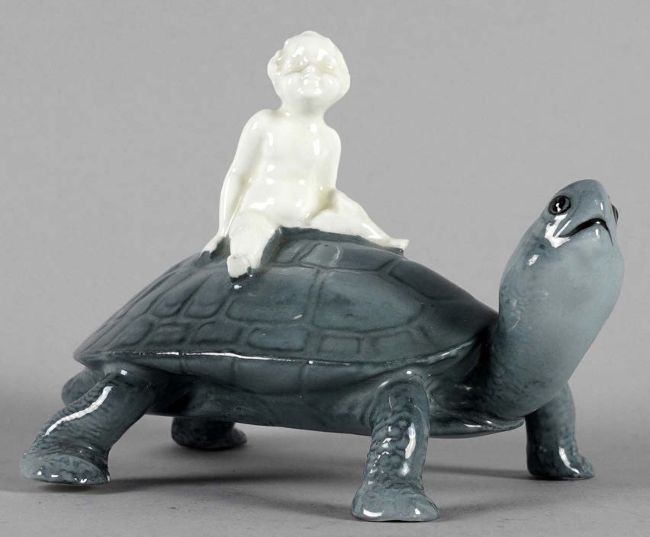
More recently, in August 2024, a resident from a modest Rickmansworth house brought an unassuming Royal Doulton figure for assessment. The ‘Boy on a Tortoise’ prototype carried a cautious £200-300 estimate. It sold for £18,000: ninety times the low estimate.
Perhaps the most intriguing discovery didn’t even start at a valuation day. In 2013, a Bellmans pictures specialist happened to mention auctions during conversation with a builder working at his home. The builder mentioned a client who owned an interesting painting. That casual chat led to the discovery of a previously unrecorded Joseph Wright of Derby landscape, descended through a prominent 18th-century Cheshire family. The painting sold for £125,000.
What makes items valuable—and what doesn’t
Not everything hidden away proves valuable, of course. Senan MacDonagh and his colleagues see plenty of mass-produced commemorative plates, reproduction furniture, and items that once had value but no longer command strong prices.
Managing Director Jonathan Pratt, who appears on BBC’s Bargain Hunt, has noted that George III mahogany bureaus that once fetched £1,000 now reach £500-700. Market tastes shift, and understanding current demand requires specialist knowledge, which is exactly what valuation days provide.
The most successful finds tend to share certain characteristics: unusual provenance, exceptional craftsmanship, rare maker’s marks, or connection to notable artists or makers. Family stories about an item’s origins can provide valuable research leads, though authentication requires expert examination rather than family legend.

The Winchester House setting
The November 5 event takes place at Winchester House Club, a Grade II-listed building on Lower Richmond Road with gardens sweeping down to the Thames embankment. Founded in 1892, the members’ club occupies a Georgian building constructed around 1730, offering what many consider one of the finest river views in London.
The location sits just yards from where the Oxford-Cambridge Boat Race begins its course to Mortlake each spring, making the club’s riverside terrace prime viewing territory for the annual event.
While local tradition has long connected the building to Oliver Cromwell and the 1647 Putney Debates, Historic England’s records show the house was built circa 1730, so about 83 years after those historic discussions on democracy and governance, which took place at nearby St Mary’s Church. The building’s genuine Georgian heritage and Thames-side location provide appeal enough however.
What happens if you decide to sell
The valuations are genuinely free with no obligation to consign items for auction. If you do decide to sell, Bellmans charges a 15% commission on the hammer price plus a £10 lotting charge per lot, both subject to VAT. Buyers pay an additional 25% premium.
One important caveat: if items are consigned then withdrawn after cataloguing begins, withdrawal fees can equal the combined buyer’s and seller’s commissions calculated at the mid-estimate point, plus any marketing costs already incurred. Once you commit past a certain stage, backing out becomes expensive.
Payment to sellers occurs within 21 days assuming the buyer has paid and anti-money laundering checks are complete. Items deemed unsuitable for auction will be returned, with specialists often able to suggest alternative venues or approaches for items outside their expertise.
Worth a visit for curiosity alone
Even without valuable items to assess, valuation days offer insight into how auction specialists evaluate objects, what factors drive current market demand, and which once-valuable categories have fallen from favour.
The format allows conversation with experts who examine thousands of items annually and track market trends across categories from Georgian silver to contemporary studio ceramics. That accumulated knowledge, freely shared, can inform future purchases or inheritance decisions.
Those dramatic discovery stories – the £25 find that sold for £15,500, the overlooked prototype that brought £18,000 – remain rare. But they’re documented, not apocryphal, giving attendees reason to bring that inherited jewellery box or attic painting for professional assessment.
After all, you can’t discover hidden value without first looking for it.