John Healey’s first Budget was written for an average household. Putney is not one. This guide sets out what the Budget does to Putney: to rents and mortgages, tax, energy bills, the High Street and the council. It is built from the Budget documents, the Office for Budget Responsibility’s forecast and official data on who lives here.
It has three parts. First, the national picture, briefly, in the words of the people who made it and the people who checked it. Then, further down, a picker: tap your council tax band, your home, your age and whether there are children at home, and your card shows the handful of things that change for you, each with a date, a sum, and a colour for better or worse off. Then what the Budget means for Putney as a place, chart by chart.
Half of Putney will get nothing from the Budget’s £100 energy payment, because it only goes to homes in council tax bands A to D.
Across England, four homes in five qualify. In Thamesfield it is one in three. In East Putney and West Putney it is about half. In Roehampton it is four in five. The payment is the centrepiece of the Budget and the one measure nobody had trailed. It lands in January, paid through the council tax system, and the chart below shows who gets it, ward by ward.
That is the pattern of the whole Budget for Putney: the help is aimed at the average household. Fuel duty stays cut, in a patch where 43% of households have no car. The £2 bus cap is for England outside London. The threshold freeze that the government’s own forecaster calls the engine of its tax plans bites hardest where incomes are highest, and 38% of taxpayers here pay higher or additional rate, double the English share.
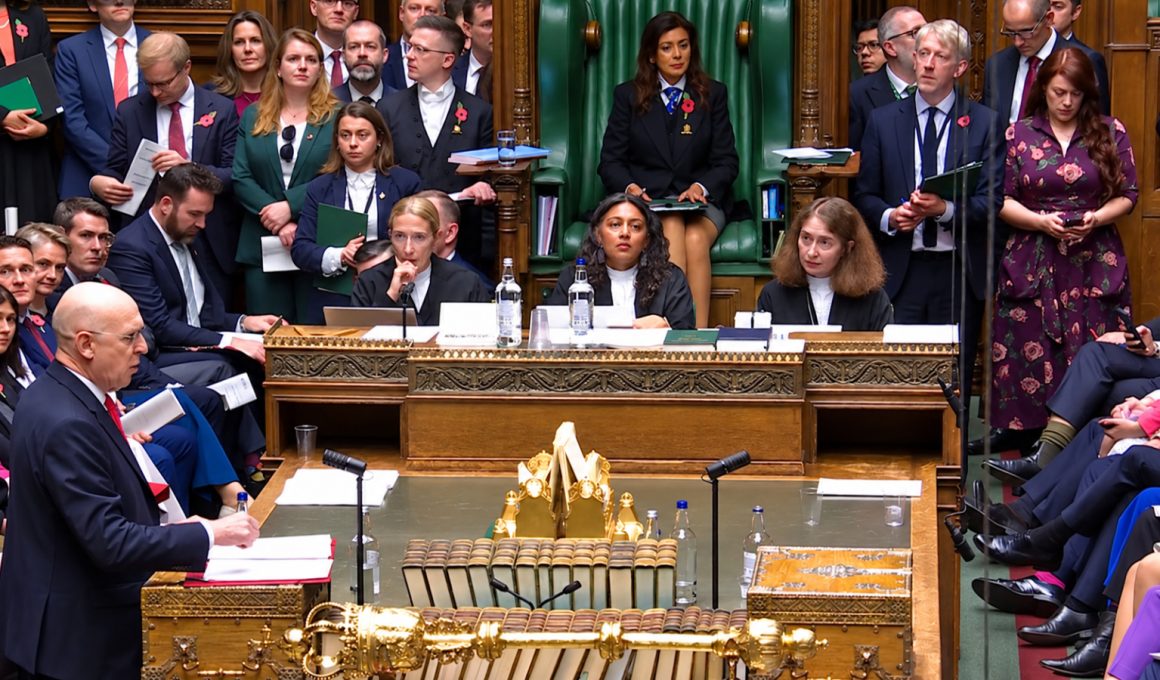
John Healey spent the government’s buffer on what he called “breathing space”: a £100 payment for homes in council tax bands A to D, VAT kept off electricity until July, fuel duty frozen, gas standing charges scrapped from next year, and pubs and small shops taken out of business rates. “That is what a buffer is for,” the Chancellor told the Commons. “Use it when you need it, rebuild it when you can.”
Energy prices and borrowing costs rose because of the war in the Middle East, and the Office for Budget Responsibility says the war is the main thing that moved its forecast. Banks pay for the response, through a temporary three-point rise in their surcharge from January; so do gamblers, through higher duties, and savers and landlords, through another two points on tax on interest and rent from April 2027, to 24%, 44% and 49%. Income tax, National Insurance and VAT on wages are untouched. So are the frozen thresholds, which run to 2031 and which the OBR calls the main engine of the government’s tax plans.
The forecast itself is bleak. Growth of 1% next year, inflation back up to 3.5%, real household incomes falling this year and next, and over the ten years to 2029 living standards growing by about 1% in total. The OBR’s economist David Miles called it “a dismal period in British economic history”. On rents, the OBR said the landlord tax rises “risk leading to a steady rise in rents”. On mortgages, it expects the average rate to go from 4% to 5% by 2031.
Kemi Badenoch’s reply was that “most people in the country listening to his budget will be thinking to themselves, is that it?” She called it “a budget for getting by, not for getting on”, welcomed the reversal of last year’s cash ISA cut, and said the new savings rate “will penalise the prudent”.
The big decisions wait. Welfare, defence and which departments get cut go to next year’s spending review; a welfare white paper is due by Christmas, and the Chief Secretary did not deny it could mean “a less generous system for the under-25s”.
Find yourself
Tap your answers. Four taps: your council tax band, your home, your age, whether there are children at home. Your card shows the handful of things that change for you, each with a date and a sum, and each marked green if it leaves you better off, red if worse, grey if it makes no difference or depends on how you live. One line at the bottom tells you which thing on the national news doesn’t apply here.
Your council tax band comes first because it decides the biggest single Budget measure. Bands A to D get the £100 in January; E to H get nothing. If you don’t know your band, you’re in good company: half of Putney doesn’t, and the card will show Band D until you look it up.
The red panel on every card is not a Budget measure. It is the council tax rise Wandsworth plans for April, shown at your band because it will arrive on the same doormat as everything else here, and in most households it will be the largest number of the lot.
A word about this story
Nobody else was going to do this for Putney
Nothing like this exists for Putney unless we make it
This page exists because readers pay for it. Nobody else makes one
Everything on this page was built today: the Budget documents and the forecast read in full, the figures checked against who actually lives in Putney, the charts drawn from the official data, ward by ward. No national outlet can do that for one place. We can because readers pay for it.
The Budget is one day. There will be three more Putney stories like this tomorrow, and the day after, and every day of the year. Members make that possible.
From £7 a month. Cancel any time.
The £100
The scheme is a flat count of properties, with no allowance for where prices are high, so it is worth less in Putney by design. Half the homes in East Putney, Thamesfield and West Putney are in band E or above.
It is paid through the council tax system, straight into bank accounts, from January.
Renters
A third of Putney rents privately. In East Putney it is 42%, double the English share.
The OBR’s words on the landlord tax rises, in full: they “represent a material reduction in returns to private landlords… These measures collectively risk leading to a steady rise in rents”, and demand outstripping supply is “more likely than not”. No one asked about rents at the OBR’s press conference. Wandsworth’s average rent is £2,640 a month, up 4.1% in a year.
Higher earners
25,000 of the constituency’s 66,000 taxpayers pay higher or additional rate.
The OBR’s Tom Josephs said the government’s plan to balance the books is “mainly dependent on tax revenues as a share of GDP rising… quite a lot still driven by the personal tax threshold freezes”. The freeze runs to 2031.
Buyers
Your First Home’s £650,000 inner London cap and £140,000 income cap fit Putney. New-build only, and zero homes were completed in the Putney policy area in 2024/25. The LISA change, in force from 29 October, helps a Putney buyer at once.
The High Street
Many High Street units are above the £18,000 line; the winners are on the side streets. Fleur Anderson says about 1,539 properties across Wandsworth benefit from the two-year freeze. A full high street strategy was published alongside the Budget, with powers for councils to auction leases on units empty for a year, a ban on upwards-only rent reviews and reforms to Business Improvement Districts; we’ll return to it before the Positively Putney renewal vote.
The council
The number that will move most Putney bills in April is not in the Budget.
Wandsworth’s cabinet agreed on 12 October to nearly double council tax: a Band D bill from £1,020 to £1,978, with Full Council deciding in March. Of the £143m a year the council says it must raise, £84m follows the government’s cut to its funding under the Fair Funding Review. The rest is the council’s own costs, inherited plans and choices, and our analysis found its assumptions could take about £140 off next year’s bill.
The government has lifted the referendum rule for Wandsworth for two years, and nothing in the Budget changes the cut. Council tenants face a second rent rise on top, and 7,102 low-income households could lose full council tax support.
Looking further out, local government is not a protected department. The OBR says unprotected departments face real cuts of 2.6% a year after 2028, with the choice made at next year’s spending review. The Budget also enables debt relief for councils “in severe financial distress” through the Public Works Loan Board; whether Wandsworth is in scope is a question for the council.
Not us
Three things you’ll hear on the news that don’t apply here. The £2 bus fare cap: England outside London; TfL sets Putney’s fares. Fuel duty: kept cut to July, worth about £50 a year to a typical driver, and 43% of Putney households have no car. The mansion tax “creeping onto ordinary homes”: with the OBR forecasting house prices below inflation and already falling in parts of London, the fixed £2m line is standing still, and in SW15 it caught 33 sales last year, all houses.
What’s coming
- Dec 2026Welfare white paperDue by Christmas; the under-25s' system in play
- Jan 2027The £100 landsBands A–D only, through the council tax system, into bank accounts
- Feb 2027Your First Home opens20% equity loan, 2.5% deposit, new-build only
- Early 2027Help for gas standing-charge losersPromised for high gas users; not yet designed
- Mar 2027Full Council votes on council taxThe near-doubling: Band D £1,020 → £1,978
- 1 Apr 2027The April cliffCouncil tax rise starts · business rates changes · National Living Wage £13.21 · savings and property tax to 24/44/49 · State Pension +3.9% · council tenants' second rent rise
- 2027Spending reviewWhere Wandsworth's money, and every unprotected department's, is decided
- Apr 2028The mansion tax£2,500 a year and up on homes worth £2m or more
Putney’s MP
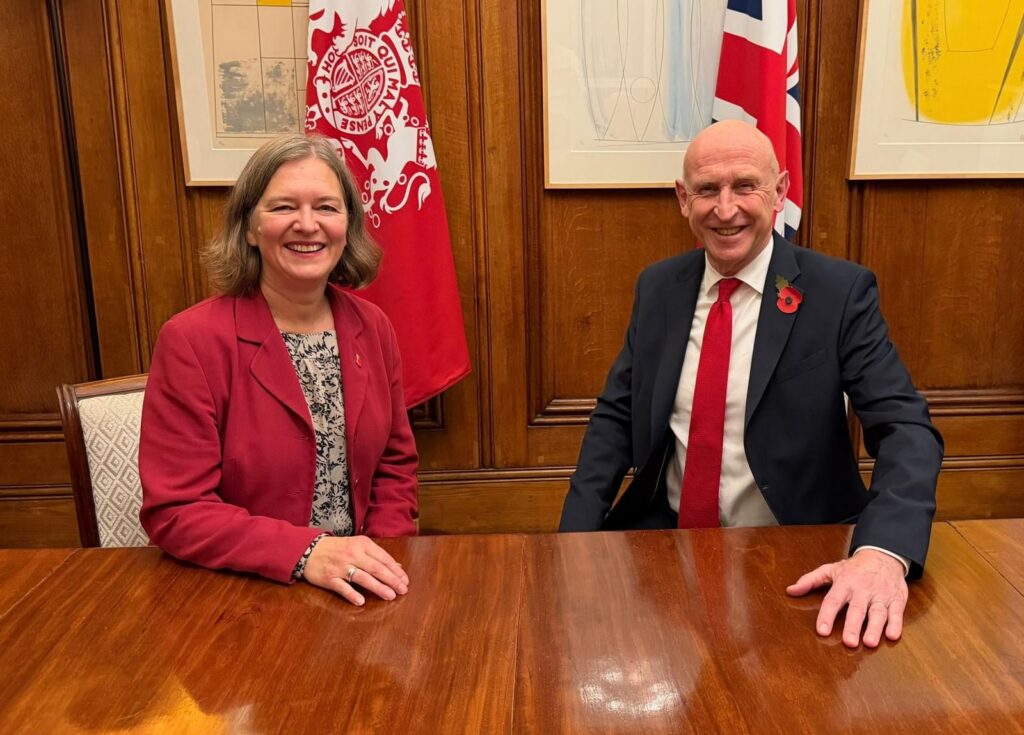
Fleur Anderson, Putney’s MP, welcomed the Budget in a post on her website as “delivering breathing space today and fresh hope for the future”, and said it was “particularly good for Gen Z residents” for its help with first-time buying, Lifetime ISAs, young entrepreneurs and apprenticeships. She said around 28,610 properties in the constituency are in bands A to D and will get the £100. Across the six wards Putney.news covers, that leaves 44% of homes, 19,440, getting nothing.
She said The Alton School and Greenmead School have secured breakfast club funding, that about 1,539 Wandsworth properties will benefit from the two-year freeze on business rates, and that with no money for Hammersmith Bridge she “will continue to push for the investment needed to fully reopen it to buses and cars”. Her post in full
Her post does not mention council tax, the Fair Funding cut, rents or the threshold freeze. We had asked her about each.
The Budget
- Budget 2026 Red Book and Table 6.1, HM Treasury, 28 October 2026
- Overview of Tax Legislation and Rates, HMRC
- Your First Home guidance, MHCLG
- Hope on the High Street, MHCLG
The forecast
- Economic and Fiscal Outlook, OBR, October 2026
- OBR press conference, 28 October 2026
- Chart 1.8 redrawn from the OBR’s published chart data
Who lives here
- ONS Census 2021 and mid-2024 ward estimates
- HMRC Personal Incomes Statistics 2023/24
- DWP Children in Low Income Families 2024/25
- ONS claimant count, September 2026
Homes and bills
- VOA council tax stock of properties, March 2026
- HM Land Registry price paid, SW15, 12 months to August 2026
- ONS Price Index of Private Rents, September 2026
- Wandsworth Council Cabinet papers, 12 October 2026