

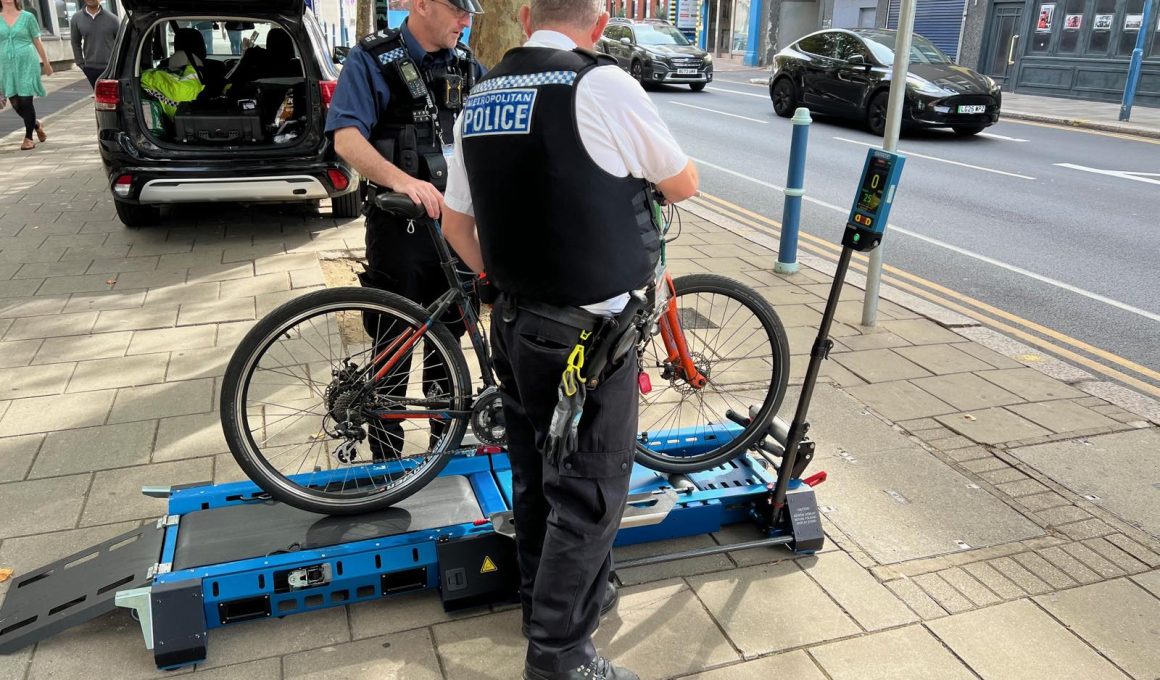
Police spent yesterday morning pulling e-bike riders over at the foot of Putney High Street and running their bikes on a rolling road to see how fast they go.
Of the 30 e-bikes and scooters checked, 19 were seized for breaking the rules. Some had been bought ready-made from a shop, others built from an ordinary bike with a motor and battery bolted on, sometimes by a bike shop.
Selling bikes like these breaks no law, for now. Shops and websites can legally sell both kinds, and the kits used to build them. Riding one on a public road however is illegal. That leaves a legal grey zone: the police have to act, but seizing bikes one at a time offers little chance of change while the sales carry on.
A bike with too much power counts in law as a motor vehicle, so its rider needs a licence and insurance. But it cannot be registered or insured unless it has been approved for the road, and approval would mean rebuilding it with stronger brakes, lights, a horn and indicators. In practice a rider has no way to make one legal, so if the bike breaks the rules, the police seize it and send it to be crushed. The riders face a charge of driving without a licence.
Earlier this summer, an operation on the same corner took five mopeds and eight e-bikes off the road. Yesterday officers found 19 more.
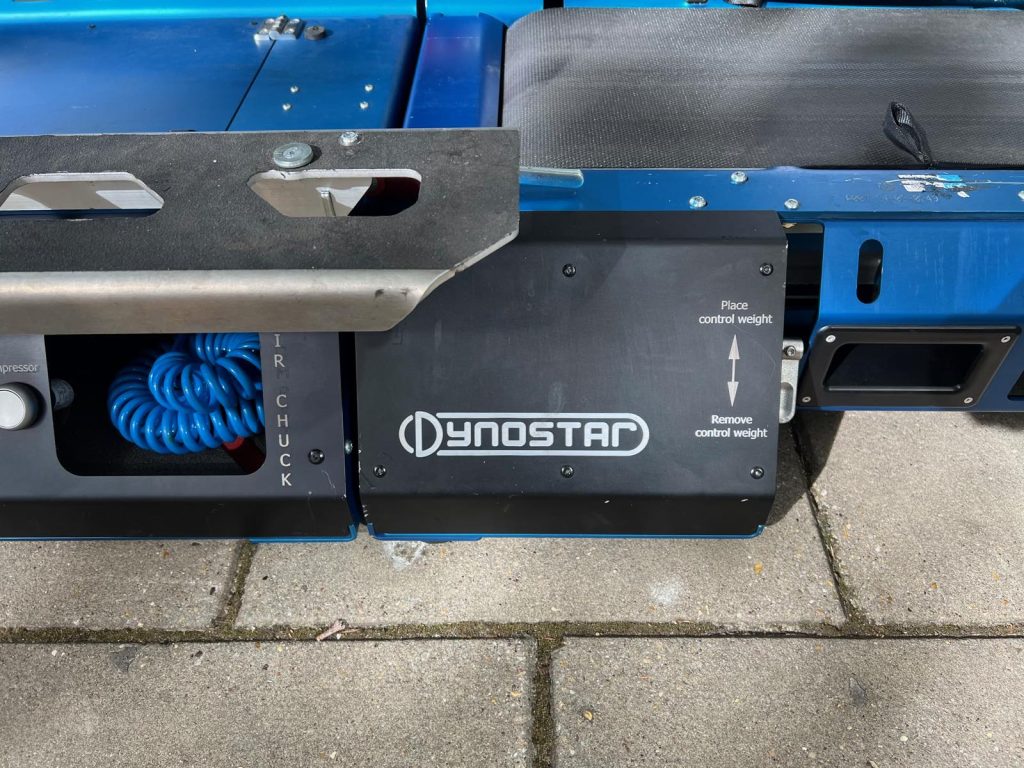
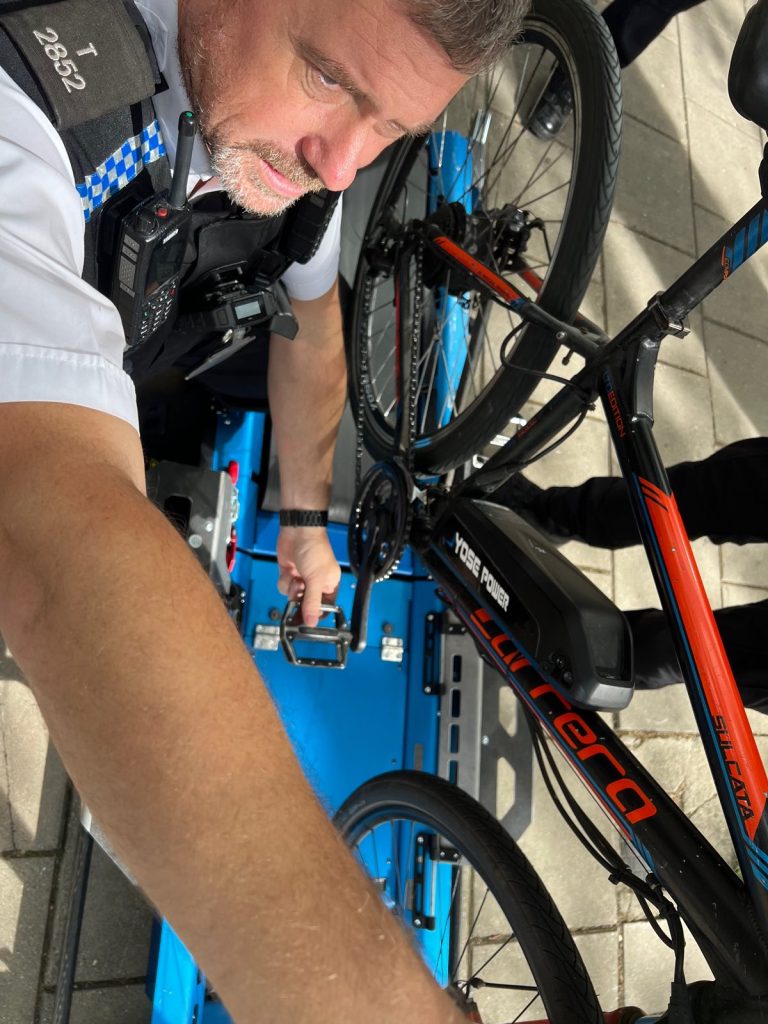
Operation Lexand, run by Putney’s Safer Neighbourhood Teams with Roads Policing officers, set up outside Jubilee House, on the corner of Putney Bridge Road, at 11am and was still going past lunchtime. Its portable rolling roads work like a treadmill for bikes: rollers under the rear wheel mimic the drag of the road, and the machine reads off the top speed the motor can reach.
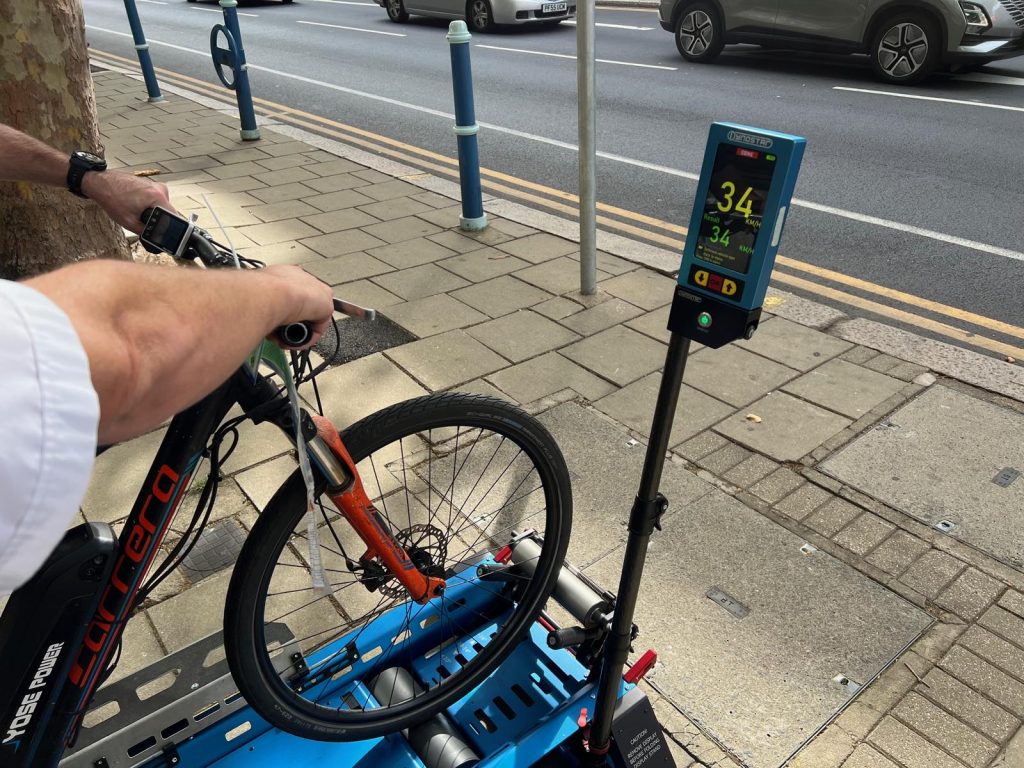
Readings yesterday included 27km/h, 34km/h and 42km/h: about 17, 21 and 26mph. All three are above the 15.5mph at which a legal e-bike’s motor must stop helping, and the fastest is over the 20mph limit on most Putney streets. Officers said most bikes they stop run at 30 to 60km/h, or 19 to 37mph, and the fastest they have tested reached 90km/h, about 56mph.
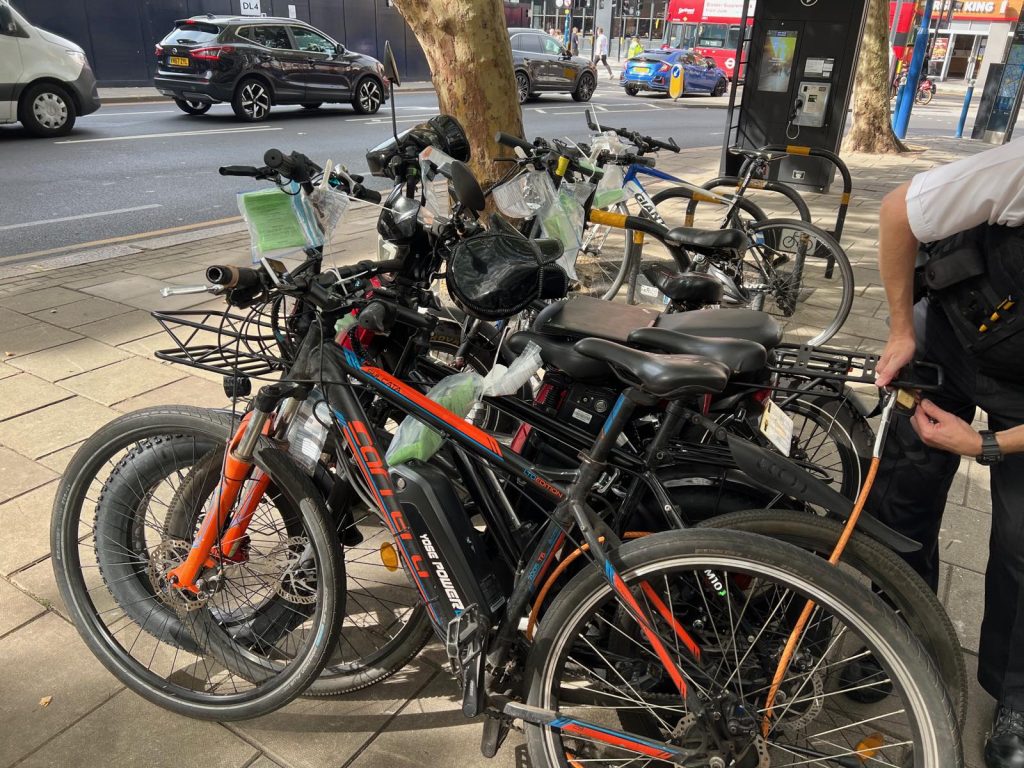
Officers reckoned the bikes lined up at the kerb had about nine working brakes between them. Brakes built for a pedal bike burn out behind an overpowered motor, and the tyres wear slick for the same reason. Officers described riders at 50mph with no helmet or gloves, dragging a foot on the road to slow down.
A legal e-bike has a motor of no more than 250 watts that helps only while the rider pedals, and cuts out at 15.5mph. A throttle may push the bike at walking pace, under 4mph, to help it pull away but a throttle that drives the bike with no pedalling is illegal and the most common reason one fails the test. Officers have stopped bikes with the chain and pedals taken off altogether.
Officers also seized a car being driven without insurance or a licence, and arrested the driver after a saliva test came back positive for a controlled drug. Immigration officers were at the junction during the operation too, though none were seen detaining anyone.
Legal to sell, illegal to ride
The riders stopped included delivery workers, some of whom spend all day on the bike and fit three or four batteries, at £250 to £300 each, to last a shift. Officers think most know what they are riding, because bikes often come back from a shop with wires hanging and batteries held on with gaffer tape. Others read an AI search summary of the 15.5mph rule and look no further. One rider walked around the junction visibly annoyed that his e-bike has been taken off him and locked up.
Officers put one bike stopped yesterday at a little over £3,000 and another at £1,200 or more. A rider whose bike was seized recently had owned it for two days and paid £1,300 for it. Or a rider can buy a 1,000-watt motor, battery and controller, four times the legal power, online for around £300 and bolt it to a second-hand mountain bike.
Bikes are seized under the Road Traffic Act as uninsured vehicles and are usually crushed. The law is changing fast: since 22 July, police can dispose of a seized bike after seven days, down from 14. Since 29 June, they no longer have to warn a rider before seizing a vehicle being used anti-socially. A four or five hour operation typically stops about 30 bikes, and the biggest haul has been more than 100. More operations like this one are planned across Wandsworth.
Adding to the confusing picture, rental bikes such as Lime’s are legal: pedal-assisted, insured, and the operator knows who is riding. As are its e-scooters. But private e-scooters are illegal on any public road or pavement, and the fastest one the team has tested did 84km/h, about 52mph.
A day at the junction is a day the neighbourhood team is not spending on its ward priorities, or on problems such as shop theft and anti-social behaviour.
Who could close the gap
The legal definition of an e-bike dates from 1983 and was last changed in 2015. The government consulted on allowing motors of 500 watts, double today’s limit, and throttles, then dropped the idea in January 2025.
Julie Minns, the Labour MP for Carlisle, introduced a bill in January to ban the sale of e-bikes that break the rules and of the kits that convert ordinary bikes, saying online marketplaces and overseas sellers offer them with minimal checks. It never reached a second reading, and it fell when the parliamentary session ended in April.
The Department for Business and Trade has separately consulted on new product safety rules, and asked whether e-bike batteries and conversion kits need rules of their own. That consultation closed on 23 June. A transport minister told MPs in July that the department expected to respond in the autumn, and the Prime Minister said earlier this month that a response would come shortly. None has been published at the time of writing.
For now, the police can seize faster than ever, and the shops can keep selling, so every bike taken off the road can be replaced. An officer at the junction, who rides a legal e-bike and rates it, said: ‘It needs to be a multi-agency response.’
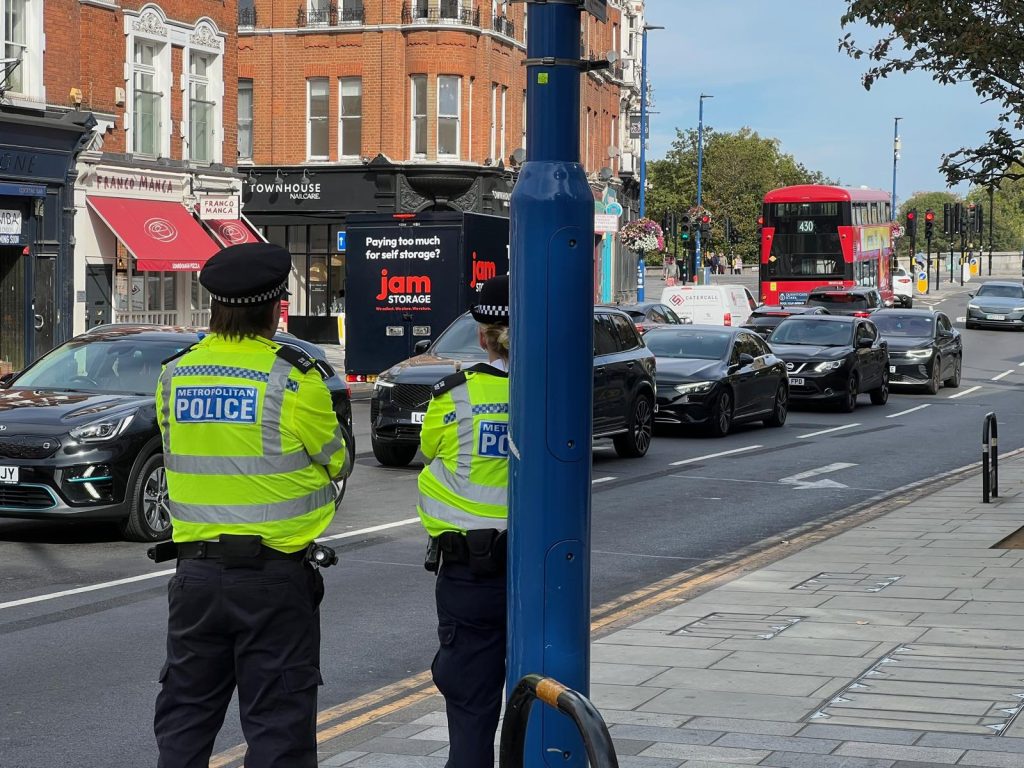



Perhaps us a road stinger device, put across the road? Zip wire? The interesting e-bike drivers are the ones who do not stop when asked! Putney High street is the main conduit for criminality. Seemingly the Police need stinger training and the Putney lot have not had it ( but want it). There is a new Sergeant who has traffic experience/ qualifications who is on the case. Immigration officers were also involved. Expect 2 more e-bike inspection sessions this side of Xmas.