

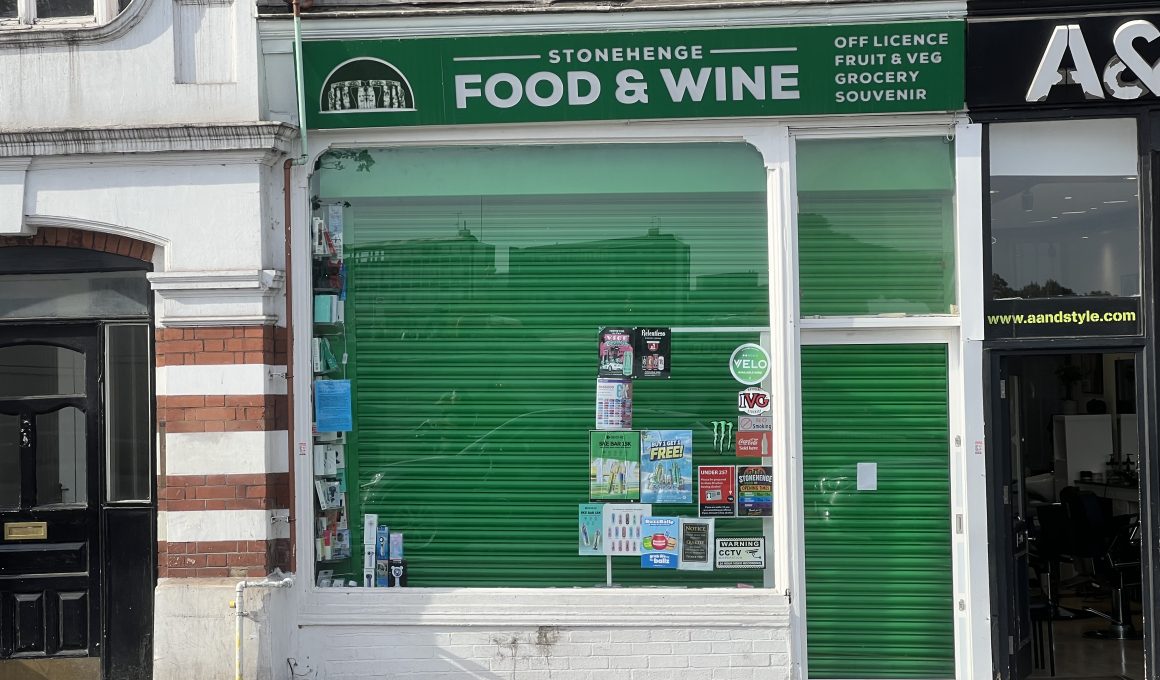
A Putney corner shop has lost its licence for selling alcohol to children, twice, and the man who took the blame for it wasn’t the one really in charge.
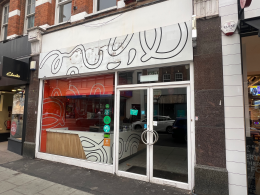
Wandsworth’s licensing sub-committee revoked the premises licence of Stonehenge Food and Wine, 7 Lower Richmond Road this week. Trading Standards had caught the shop selling alcohol to an underage volunteer twice: a 16-year-old in April, and a 17-year-old in June. Neither was asked for ID.
At a hearing last week, the current shopkeepetr Abdul Hamid Hamidi said he had trusted the second volunteer’s account of herself. “I asked for ID,” he told the committee. “She said her document was at home: ‘remember, I came in with my mum, about a month before, and she bought water and something.’ That’s why I trusted her. But it’s my big mistake.”
Ranjeev Sohal, from Trading Standards, disputed that account: neither test-purchase volunteer had been in the shop before, he told the committee, and neither had said otherwise.
The licence does not disappear immediately: there is a 21-day appeal window. Unless Abdul Hamid Hamidi, the current premises licence holder, appeals, the shop can lawfully keep selling alcohol until around 30 September.
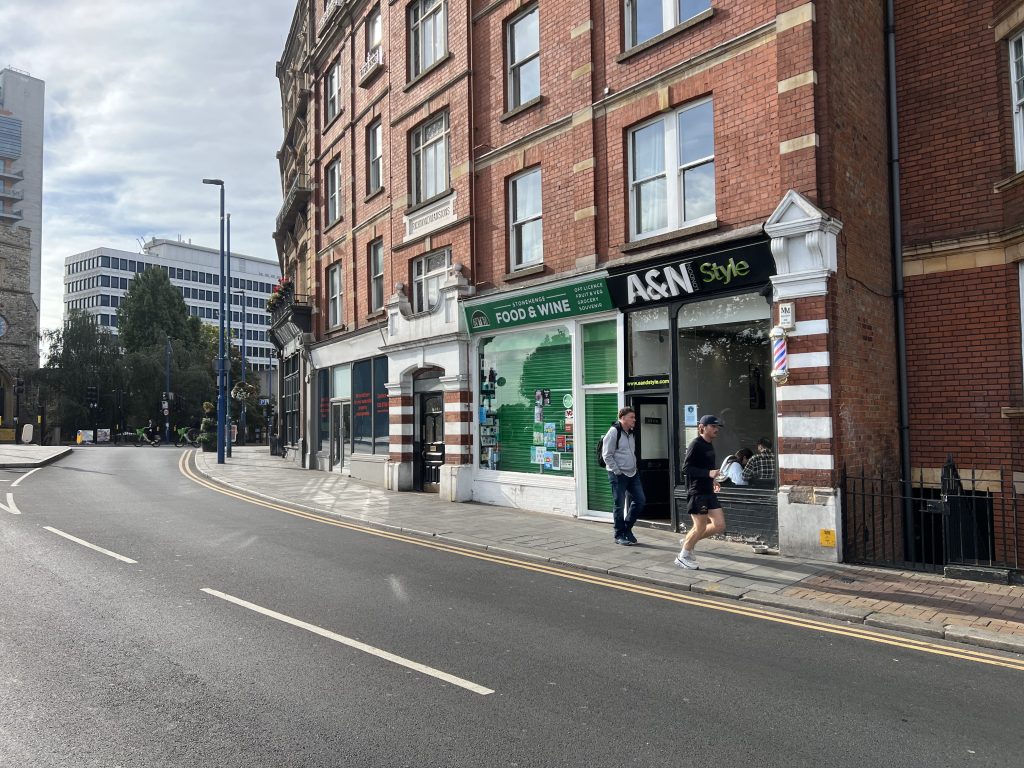
Changing hands
Thirteen days after the first failed test purchase, the shop’s licence was transferred to Hamidi and the shop began trading under a new name. Everything else about who ran it stayed the same. Naeem Sadegi, who had held the licence before Hamidi, remained the Designated Premises Supervisor, the person legally answerable day to day for what the shop sold and to whom. He kept his personal licence, issued by Camden Council, and he kept the lease.
The council’s own application for the review put it plainly: “While the Premises Licence has transferred from Mr Naeem Sadegi to Mr Abdul Hamid Hamidi, there has not been a complete separation from the original applicant.”
Sadegi did not attend the hearing and submitted no written representation. Trading Standards emailed him after the first failed test purchase asking him to come in and discuss it; he did not reply. They wrote to him again in May, warning that his silence had been noted and that he carried personal legal responsibility for the shop’s conditions regardless of who else was named on the licence. He did not reply to that either.
The only trace of him in the hearing record is a single email to the council’s licensing officer, in which he said he’d had a falling-out with Hamidi.
Records show Sadegi was also the designated premises supervisor at Shiraz Food & Wine, also known as The Grocery Store, on Fortess Road in Camden, running at the same time as Stonehenge. Camden Trading Standards raided the Fortess Road shop on 16 April 2025, three months before Wandsworth granted the Stonehenge licence, and found illicit, non-duty-paid tobacco hidden behind the counter. A test purchase on 25 September 2025 found a girl under 18 sold an alcoholic drink without being asked for ID. A separate test purchase found alcohol being sold after permitted hours.
In October 2025, Camden’s Trading Standards service applied to revoke that shop’s licence too. In the application, it told Camden Council it did not consider Naeem Sadegi “a fit and proper person to operate a premises or licenced premises within the London Borough of Camden.”
The application never reached a hearing. The company that held the Camden licence, Kabana Camden Town Ltd, was dissolved on 7 October 2025, and the licence lapsed automatically as a result, before Camden’s review was ever heard. Council officers visited the shop days later, at 1.20am, to hand-deliver notice that the licence had lapsed, and found alcohol still on open display.
Twice, in two boroughs, the man both councils identified as the person actually running the shop kept his role intact, not because he was cleared but because his role had changed before the process officially began.
Does this reveal a loophole in licensing law?
The Licensing Act 2003 sets out exactly who a council must notify when it decides a premises licence review, and exactly who can appeal that decision: the licence holder, the council itself, anyone who made a formal representation, and the police. A Designated Premises Supervisor who isn’t also the licence holder appears on neither list, even though the law makes that role the person legally responsible, day to day, for what a shop sells and to whom.
Parliament did think to require notice to a DPS in one specific case: when a licence is transferred, with the outgoing DPS has to be told, by law. That requirement was not carried into the review process.
Put that alongside what happened here. Wandsworth’s own case argued that Sadegi, not Hamidi, was really running Stonehenge Food and Wine. Camden’s Trading Standards argued that Sadegi was not a fit person to hold a licence anywhere in that borough. Neither council was required to notify him, hear from him directly, or name him in a formal decision, because in both cases the licence under review carried somebody else’s name, or by the time it mattered, no company at all.
Whether that is a gap the law should close is a matter of policy. What the documents show is narrower and harder to dispute: two councils examined two shops this man is said to have run, and in neither case did the process reach him.
What happens next
Stonehenge Food and Wine’s premises licence remains valid, and the shop can continue to sell alcohol, until the appeal window closes on or around 30 September, or until any appeal Hamidi lodges is decided. Anyone with concerns about underage sales at a licensed premises in Wandsworth can report them to licensing@merton.gov.uk, which handles licensing matters for Wandsworth, Merton and Richmond.

The existence of these places is a blot on every place they pollute. They perform no useful function not duplicated locally and serve only to contribute to crime and antisocial behaviour. Their very appearance is a warning and an environmental blight.