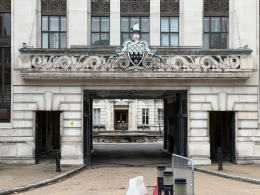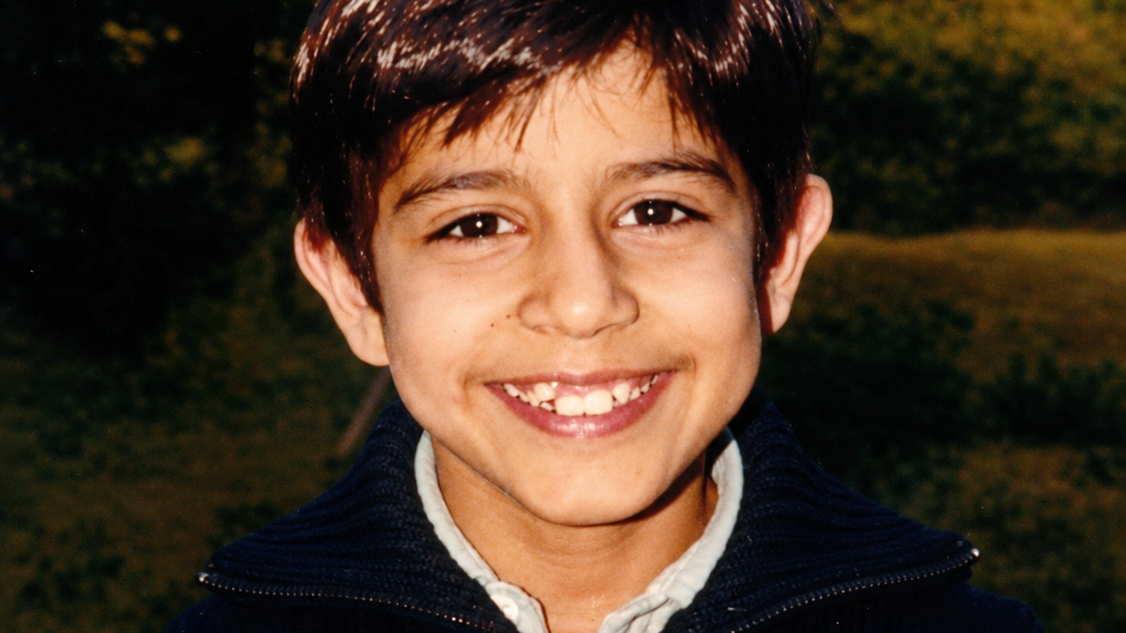
Somebody, somewhere, knows what happened to Vishal Mehrotra. This week, forty-five years exactly since he vanished from Upper Richmond Road, Sussex Police are willing to pay £20,000 to find out who.
Rewards on murders this old are rare. This one comes with a remarkable admission attached: the force has finally said why nobody has ever been caught. For the best part of 30 years, they weren’t properly looking.
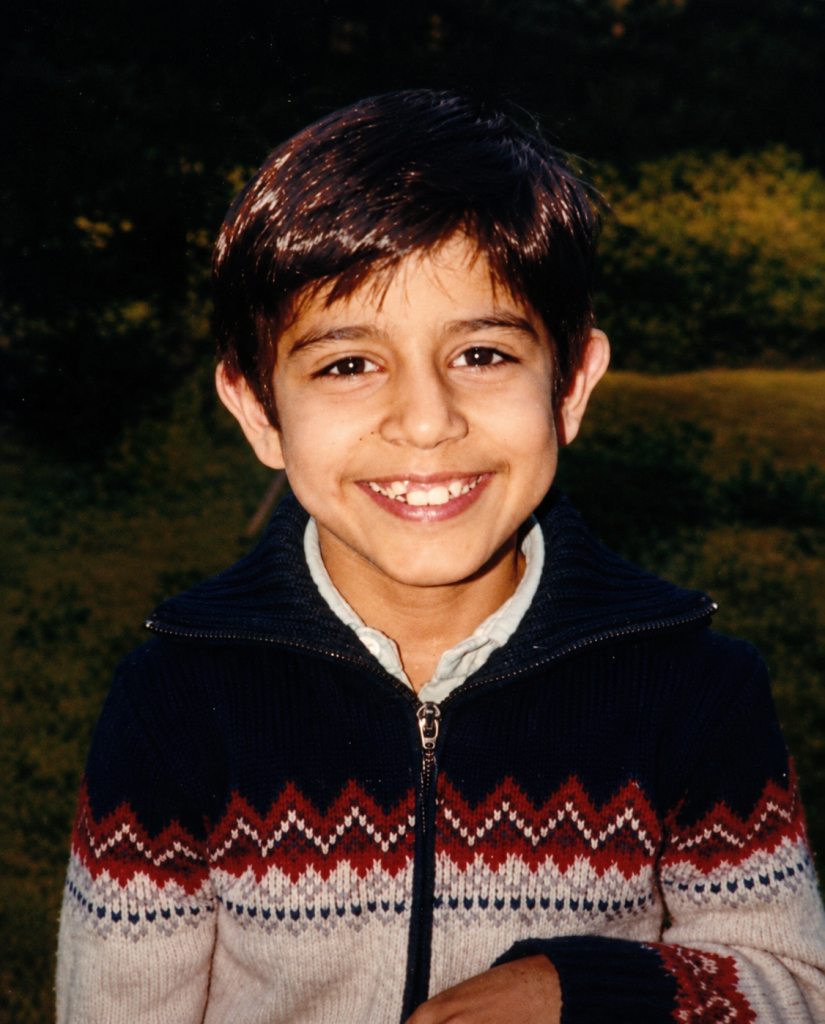
He was eight. The whole country was watching Prince Charles marry Lady Diana. His nanny handed him money for sweets and let him walk the last stretch home alone. He never made it. Seven months on, two men out shooting pigeons in a Sussex wood stumbled on a skull.
No one has ever been charged. For 45 years, that has been the whole story. Now we know why.
Sussex Police once told the BBC that Vishal’s case remained an “open and unresolved investigation.” An independent watchdog, examining the force’s own record, exposed what that actually meant in practice: for close to 30 years, in breach of the force’s own rules, nobody formally reviewed the case at all.
Vishal’s father, Vishambar, a retired magistrate, told the BBC in 2021 that one review in four decades was “absolutely shameful.” He went further, accusing the force of institutional racism: “I have no doubt that there is racism here, otherwise why would they try always to brush it under the carpet?” Sussex Police said at the time that wasn’t true, insisting it “firmly refutes any suggestion” its work had been “hampered or influenced… by ‘institutional racism’.”
The document with his name on it
In 1983, a convicted paedophile sat down and wrote a document. He called it “Vishal.”
Sussex Police already had it. They seized it in 1996, during a completely different investigation, into child abuse at Muntham House School in West Sussex. It then sat in their own files, unconnected, for another 23 years.
Nicholas Douglass, the man who wrote it, had links to the exact area where Vishal’s remains turned up: his mother lived nearby. Nobody made the connection to Vishal’s murder until 2019, during the Independent Inquiry into Child Sexual Abuse. It took the BBC’s own podcast investigation, Vishal, to drag it into the open.
When the BBC tracked Douglass down and asked him straight why he’d picked that name, he said: “It’s the first [name] that came into my head because it had been in the press. It was the first Asian name I could think of. That’s the honest truth.” He has repeatedly denied having anything to do with Vishal’s murder. He has never been charged.
Douglass belonged to a gang of men who abused children at a boarding school through the 1970s and 80s. One of them, James Russell, ran for it in 1996, mid-investigation for child sexual abuse, and hid out in Sri Lanka for years. Sussex Police told the family a specialist team was on his trail. Years later, in the same BBC investigation that found the “Vishal” document, the force admitted sending someone to find him “was not proportionate.” Russell was only put in a room and asked about Vishal’s murder in October 2022, once he had been forced out of Sri Lanka and come home under his own steam. He died soon after, still denying he was ever part of a paedophile ring operating in London and Sussex.
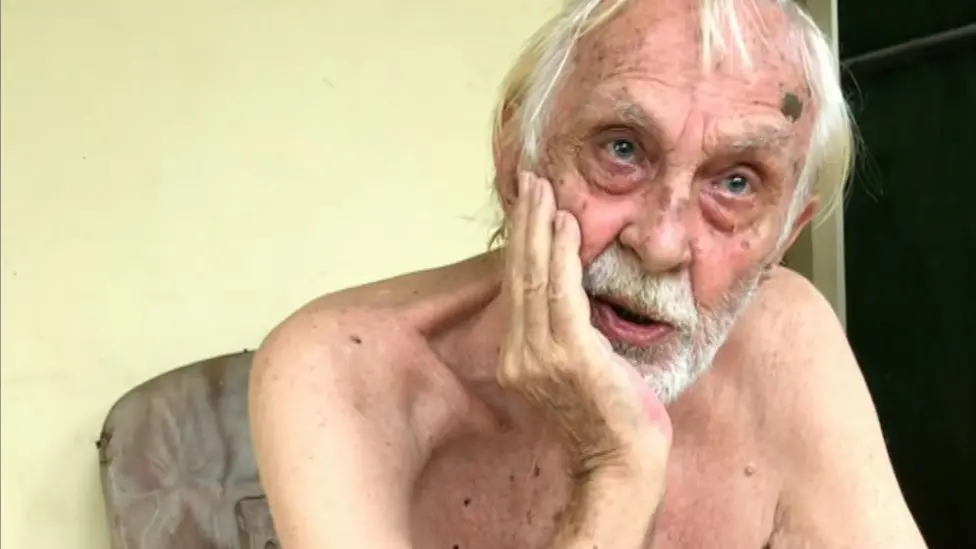
Vishal’s father isn’t having it. He told the BBC: “I believe the police were aware of his whereabouts. I believe the police could have properly questioned him, but again nothing happened. I can’t forgive them for their inaction.” Sussex Police’s response, also to the BBC: “We refute allegations of inaction… Those who had reported offences to us were aware of the challenges but were kept updated with any developments.”
That reward is the reason we are talking about Vishal Mehrotra today. Forty-five years is a long time for £20,000 to still be on the table. In today’s appeal, Sussex Police says it has run “two comprehensive reviews” and thrown every modern forensic trick it has at the case since 1981. Its answer, still: “there remains no evidence to show who was responsible.” Detective Chief Inspector Mark Cullimore wants anyone with anything, “no matter how small or insignificant,” to come forward. Crimestoppers is putting up the money for the tip that finally cracks it.
The investigation that actually cracked it open
None of this came from Sussex Police. It came from a phone call.
In 2020, as the country went into lockdown, a BBC reporter received a message from someone who had worked inside the police. They said they had seen something in the files that could blow the case open. That tip set off a three-year investigation led by BBC reporter Colin Campbell and Suchin Mehrotra, Vishal’s own half-brother, born years after the disappearance and raised in its shadow. Their podcast is what actually tracked down Douglass, found Russell in Sri Lanka, and forced the document into the open.
The timing makes the reversal hard to miss. In 2021, with the 40th anniversary approaching, Sussex Police had asked Vishal’s father to help front a public appeal, then scrapped it, citing an absence of “any new or currently viable lines of inquiry.” A former Met cold-case detective, Shaun Keep, called that decision a “massive missed opportunity.” Two years later, once the podcast had done what the force said there was nothing left to do, Sussex Police apologised to the father and promised to re-examine the case. BBC Studios’ own description of the series calls it “a deeply moving personal story about the toll of this tragedy on one family across generations.”
It did not stop when the series ended, either. Afterwards, people who had noticed things decades ago and never mentioned them started coming forward with new information. Today’s reward is the same bet, made in public this time, rather than quietly ruled out.
How to help
Got something? Call Sussex Police on 101, quoting Operation Moor, or use the Major Incident Public Portal online. Or go to Crimestoppers anonymously on 0800 555 111 or via crimestoppers-uk.org, if you want a claim at the £20,000: Sussex Police says only information passed to Crimestoppers directly qualifies for the reward.
Sussex Police’s own rules mean a formal complaint about the case’s handling has to come from someone who personally witnessed or experienced it, so that route really only belongs to the family, who have already used it. The Sussex Police and Crime Commissioner’s office provides public oversight of the force.
Vishal’s sister, Mamta, marked the day in her own words: “For many people, this case is something they may have seen in the news, a documentary, or a podcast. For us, Vishal was not a headline. He was a son, a brother, a child with his whole life ahead of him. He was loved, and he is still loved.”