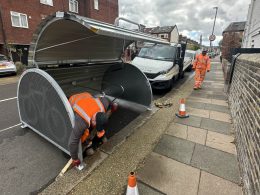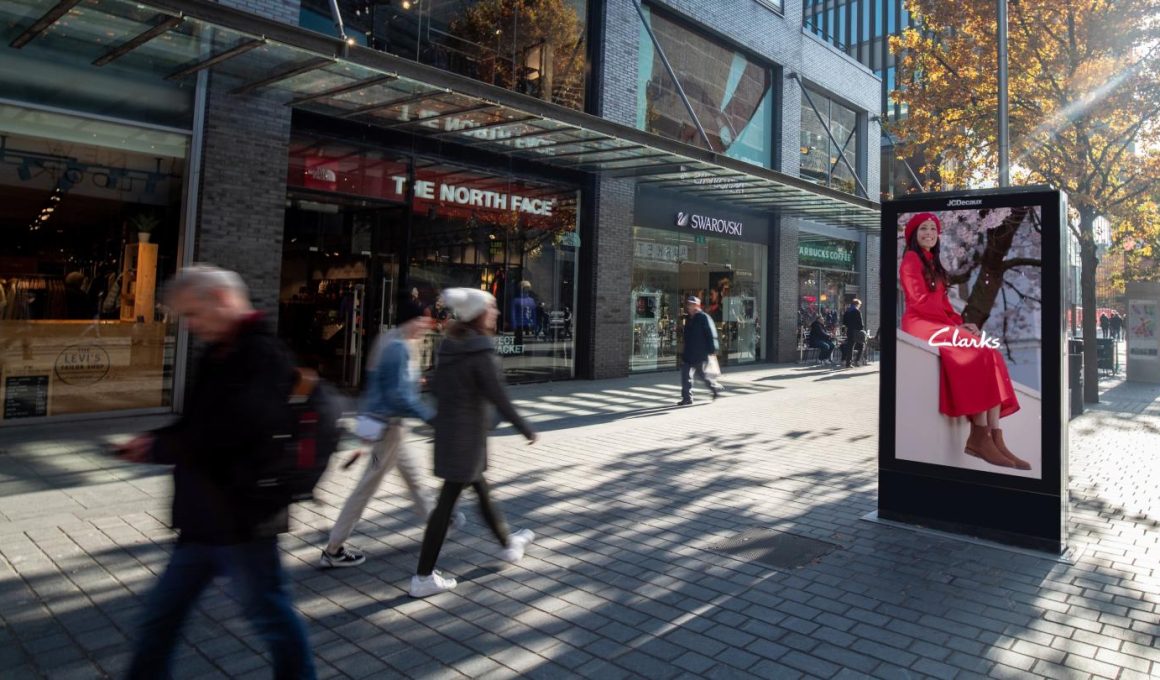
Three Putney bus shelters are getting digital advertising screens after the council approved applications to replace their static posters with 86-inch illuminated panels. Nobody was consulted. Nobody objected.
The shelters outside the cinema, the Putney Exchange bus stop (60 Putney High Street) and outside Putney Station were all approved on 8 April as a batch. Each will get two screens that light up and rotate advertisements automatically. The change is twofold: the panels are significantly larger than the current paper posters behind glass, and they glow. Brightness is capped at 300 candelas per square metre, about the same as a laptop screen. Video content is banned.
They are part of a pattern. Across Wandsworth, 31 identical applications for digital bus shelter screens have been filed since November 2024. Twenty-eight have been approved. Three are still pending. None has been refused.
Two more Putney applications are waiting for a decision. One is for a bus shelter just north of Upper Richmond Road, heading up towards Putney Hill. The other is a second shelter at Putney Station. If both go through, the High Street would have ten new digital advertising screens across five shelters.
Who is behind it
The screens are being installed under a contract between Transport for London and JCDecaux, the French-owned company that describes itself as the world’s number one outdoor advertiser. JCDecaux has held the TfL bus shelter contract since 2016 and won a new eight-year deal in late 2024, covering more than 4,700 shelters across all 33 London boroughs. In February 2025, it announced plans to double its London digital screens to 2,000, with around 670 going on bus stops. Wandsworth was named as one of the target areas.
TfL’s advertising income from bus shelters is part of a wider push to raise non-fare revenue. When the original contract was awarded, TfL said it was targeting £3.4 billion over the following decade. Evidence given to a parliamentary select committee has suggested a double-sided digital bus shelter billboard uses as much electricity per year as four average UK households, though that figure came from a campaign group rather than independent measurement. JCDecaux says its newer screens are 30 per cent larger than the market average but use 20 per cent less power than previous versions.
Why nobody was asked
These are advertising consent applications, not full planning applications. Under the 2007 advertising regulations, the council only assesses two things: whether the screens affect the area’s appearance and whether they are a safety risk. There is no requirement for public consultation. Residents are not formally notified. The bus shelters themselves are permitted development and do not need planning permission at all.
The Putney Society flagged the broader trend in its April bulletin. The Society noted that while some new shops on Putney High Street are happy with their name above the door, others want “louder.” It pointed to a second slot machine casino opening opposite Putney Station with a brightly lit yellow door frame, and to BT proposals to replace phone boxes with large advertising totems. The digital bus shelter screens, which the Society had no mechanism to object to, arrive into that context.
Each consent lasts three years, expiring on 8 April 2029. The two pending applications will be decided in the coming weeks.