THE BASICS: What you need to know right now.
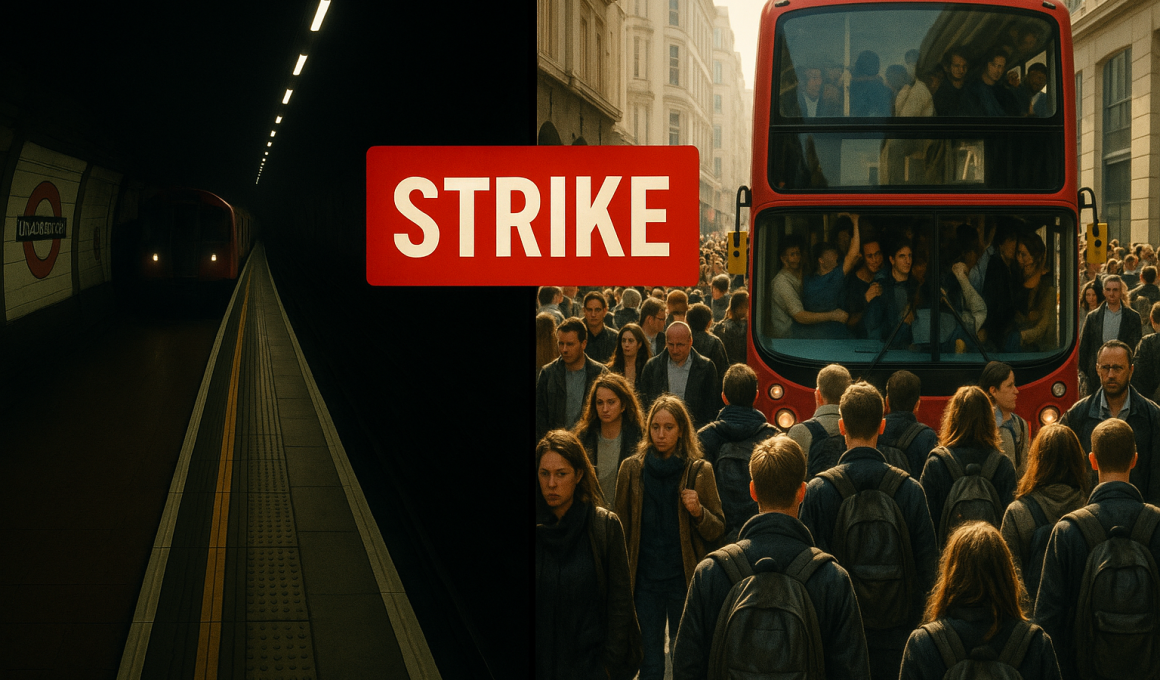
- NO TUBE SERVICES from Monday morning through Thursday evening. NO DLR on Tuesday and Thursday.
- 10,000 workers on strike. £230 million economic hit expected.
- Elizabeth Line and Overground still running but expect severe overcrowding.
- Additional bus strikes Friday-Sunday next week.
| Day | Tube | DLR | Train | Buses |
|---|---|---|---|---|
| Monday 8 Sept | ❌ | ✅ | ✅ | ✅ |
| Tuesday 9 Sept | ❌ | ❌ | ✅ | ✅ |
| Wednesday 10 Sept | ❌ | ✅ | ✅ | ✅ |
| Thursday 11 Sept | ❌ | ❌ | ✅ | ✅ |
| Friday 12 Sept | ⚠️ | ✅ | ✅ | ⚠️ |
Key: ❌ No service ✅ Running (expect crowds) ⚠️ Disrupted/limited service
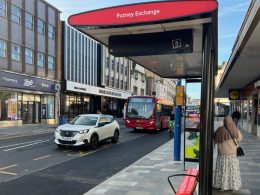
The Putney nightmare
For Putney residents, this is a perfect storm. The area already suffers from:
- Three of London’s five worst bus routes (14, 265, 93)
- Hammersmith Bridge still closed after six years
- Gridlocked junction at Putney High Street causing tailbacks
- Ongoing roadworks on Wandsworth Bridge Road
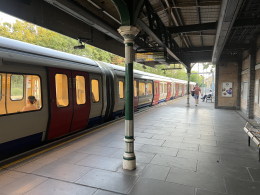
With the District Line serving Putney Bridge, East Putney and Southfields stations completely shut, residents face their worst transport week in years.
Local businesses already report revenue drops due to people avoiding Putney’s traffic chaos. This week will compound the problem as many may simply choose to stay home rather than battle the transport meltdown.
Why it’s happening
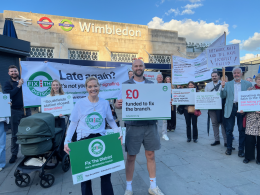
The dispute boils down to working hours. The RMT union wants a 32-hour working week (down from 35 hours) citing staff fatigue and “extreme shift patterns.”
The Numbers:
- TfL offered 3.4% pay rise (rejected)
- Pay has risen 25% since 2020
- 2,000 fewer staff since 2018
- TfL has £166m surplus and £10bn budget
- 57.5% of members voted for strikes
TfL says reducing hours would cost “hundreds of millions” and is “neither practical nor affordable.”
Impact
Post Malone concerts at Tottenham Stadium postponed – promoters said “without a Tube service, it’s impossible to get people to the concert and home again safely.” Expect more event cancellations as venues struggle with transport access.
The Centre for Economics and Business Research warns of 700,000 lost working days across both striking staff and stranded commuters.
The £230 million cost is described as “conservative” – it doesn’t include ripple effects like lost productivity, reduced shopping, and business disruption.
London Mayor Sadiq Khan faces calls to intervene as he did in January 2024, when he used £30 million from City Hall reserves to avert strikes. He was later accused of misleading the London Assembly over the funding.
This is the first major Tube strike since March 2023, making it the most significant transport disruption in over two years.
What happens next
More strikes coming: Bus drivers in west London strike Friday-Sunday next week (September 12-14), hitting routes in west, northwest and southwest London just as Tube services resume.
Talks continue between TfL and RMT, but with strikes carefully choreographed across different worker groups each day, both sides appear dug in for the long haul.
Bottom line: This is the worst transport week London has seen in years. Plan accordingly, work from home if possible, and if you must travel allow double the normal time and bring patience.