Putney residents are facing yet another month of traffic disruption starting today, as Hammersmith & Fulham Council begins four weeks of roadworks designed to slow down cars and prioritize cyclists and pedestrians.
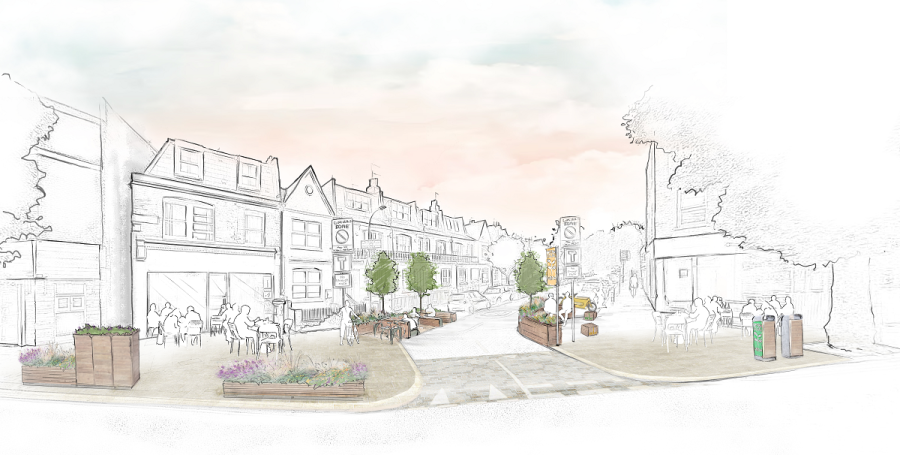
The works on Wandsworth Bridge Road will install raised zebra crossings, cycle parking, and wider pavements – all measures that will reduce road space for vehicles in an area already struggling with severe traffic problems.
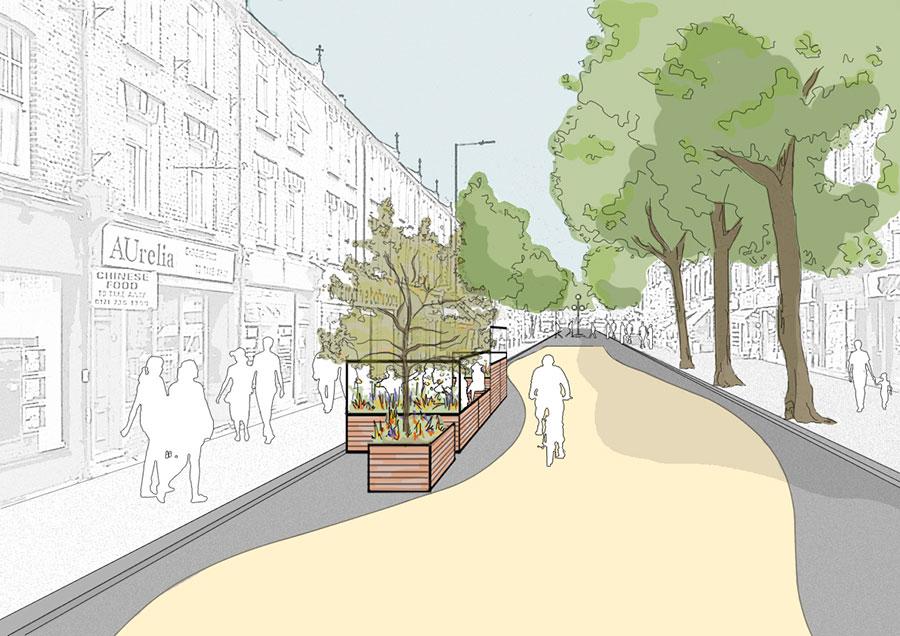
The council plans to replace four existing pedestrian islands with raised zebra crossings, add cycle parking bays, and extend kerbs with planters and seating at the Ryecroft/Bovingdon junction. They’re also creating designated loading bays for businesses.
Work will run weekdays from 9am to 6pm for four weeks, with parking restrictions in place throughout.
The council says this is part of a bigger plan to turn Wandsworth Bridge Road into a “safer, more pedestrian-friendly high street.” They claim earlier changes have already cut through-traffic by 15,000 vehicles per day and reduced emissions by nearly two tonnes daily.
But opposition councillors have called for the scheme to be paused, wanting more consultation with residents and businesses first.
The Track Record So Far
The claims about reducing traffic need to be viewed alongside what’s actually happened elsewhere in the area. Putney Bridge itself went through major works that finished in December, with the stated goal of making the junction safer for pedestrians and cyclists and upgrading traffic lights.
The reality has been gridlock so severe that residents on side roads are choking on fumes, and simply crossing the high street can take 30 minutes. The council’s response has been to promise traffic light timing reviews sometime in the autumn.
This isn’t happening in isolation. Hammersmith Bridge has been closed to vehicles for over six years, forcing thousands of extra cars through Putney daily. Traffic on Putney Bridge increased by 16% between 2020 and 2023, from 32,083 to 37,239 vehicles.
When residents submitted a petition demanding urgent action on congestion during the Putney Bridge roadworks, Wandsworth Council investigated it and then dismissed it – one of eight such petitions rejected over the past year.
The Bigger Picture
The pattern is clear: councils keep implementing measures designed to make driving more difficult, claiming this will reduce traffic and improve air quality. But the evidence from Putney suggests these policies may simply be making everything worse for everyone.
While the council talks about 15,000 fewer vehicles per day on Wandsworth Bridge Road, drivers haven’t disappeared – they’ve been pushed onto other roads. The result is that residents in surrounding areas are dealing with more traffic, not less.
Bus services, which should benefit from less traffic, are actually worse. Buses barely move during peak hours, yet Transport for London insists service is fine and has refused to attend public meetings about the problems.
Questions About the Strategy
The improvements supposedly bring economic benefits too, with claims that increased footfall could boost local business sales by 35-40%. But these figures come from studies done elsewhere – there’s little evidence they apply to areas where traffic is simply rerouted rather than reduced.
East Putney Councillor George Crivelli has previously campaigned for zebra crossings like those now being installed, showing there is local support for pedestrian safety measures. The question is whether the current approach actually delivers safety improvements or just creates new problems.
What Happens Next
The roadworks will continue until mid-September, with the biggest impact likely during weekday rush hours when the 9am-6pm restrictions are in force.
For residents already dealing with gridlocked streets, unreliable buses, and longer journey times, this represents another test of whether the council’s transport policies are actually working.
The theory is that making driving more difficult will encourage people to walk, cycle, or use public transport instead. The reality in Putney suggests that without proper alternatives in place, these measures may simply make life harder for everyone while failing to deliver the promised benefits.