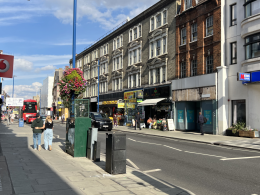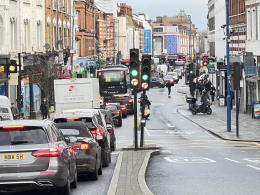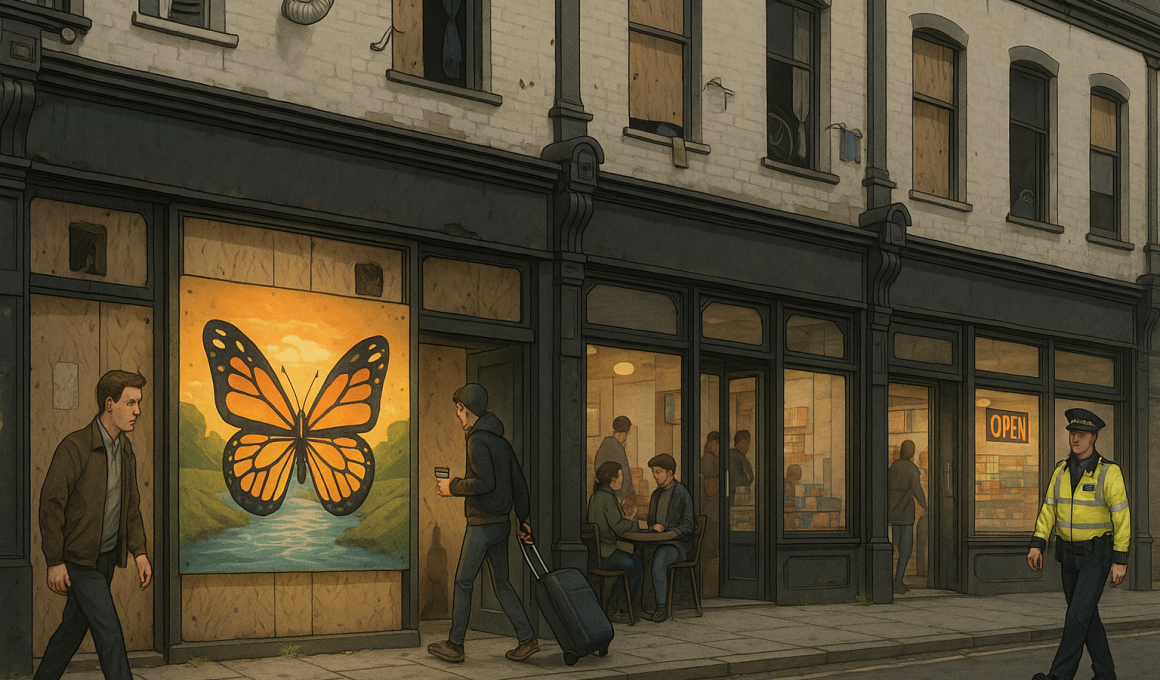
If it wasn’t already clear, Putney has a squatter problem.
The council and police were warned two months ago that the area was being targeted by organised groups who had been cleared out of Soho and Chelsea. But they didn’t listen – or didn’t act anyway. Now that group has embedded itself in Putney because it’s a soft target: lots of empty commercial properties and a lack of organisation.
It’s good to see the police finally acting, many weeks after one of the landlords on Putney High Street publicly pleaded for them to act while the case dragged interminably through the High Court. But we now see the problem with sitting back. Squatters are here, they’re organised, and they’re in at least two other properties – likely more – in Putney.
The new reality of squatting
Squatting is not what you may think these days. It is well organised; it is often profitable. Coordinated over mobile phones, young people looking for a place to live at very low cost in an incredibly difficult housing market may be drawn to it.
There is also a squatting lifestyle. It can be hard to even get a foot on the rental ladder – if you can call it that – these days. So long as you are willing to put up with the inconvenience of living in an empty shop, it is a viable alternative, especially if you don’t have a solid job.
But there is a darker side: mental health issues, drug addiction, rampant theft, low-level criminality. It is often only when these elements emerge that the police feel they need to intervene – until then, they have many more priorities.
Let’s be clear: the police know what’s going on. Inspector Steve Burke visited the squatters who had set up a temporary tent camp after being kicked out of one squat this week. People living quietly in a building is one thing; living on the street with their possessions strewn about and making noise outside people’s windows is quite another.
The inspector knows about the other squats further up the High Street, but he’s also aware of their legal rights – as we would wish him to be as a senior police officer. And if no one is being harmed, there are better things he can be doing with his time.
The root of the problem
But there is a real problem here, and it has much deeper roots: Putney High Street is not getting the focus or support it needs.
The council has made it abundantly clear it has no interest in Putney High Street. At a meeting organised by our MP about the state of the High Street, residents were told by the deputy leader of the council, no less, that the problem wasn’t the lack of investment or care – it’s that we were talking the area down. A ridiculous statement. We are simply reflecting reality.
The mayor has put £50,000 into 12 different high streets across London. Wandsworth Council has just announced investments worth tens of millions of pounds across Battersea and Tooting – including Tooting High Street. But nothing for Putney.
Leadership vacuum
The people that we would expect to step up – our MP, our council and councillors, our Business Improvement District – have been passive, waiting for things to improve, then claiming credit when there is a small glimmer of hope. But they haven’t been proactive, and landlords continue to be disconnected from the reality in Putney.
This week we lost two cocktail bars back-to-back: Simmons and Be At One. Be At One moved solely because the landlord wanted to hike up the rent on an expiring lease. It seems likely that the same was true for Simmons, which has decided to scale back operations across London. When shabby old Putney wanted more for less, it was at the bottom of the spreadsheet and got cut.
Now we have yet another gap on our High Street that, if it sits empty long enough, will also get boarded up. How long until the squatters move in there too?
The squatter problem is a symptom of a much larger failure – the failure to invest in, support, and properly manage Putney High Street. Until that changes, we’ll continue to see empty properties become temporary homes for organised groups who know a soft touch when they see one.