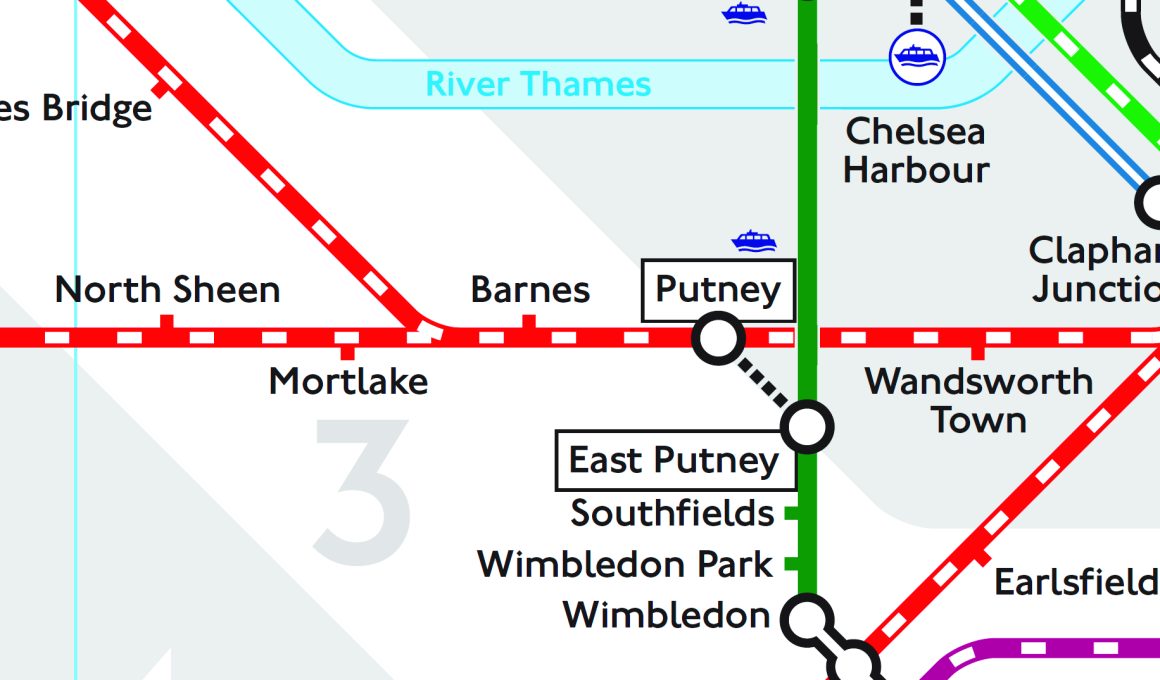
A fresh push is under way to have Barnes Station reclassified from Zone 3 to the Zone 2/3 boundary — a move campaigners say would ease pressure on Putney’s overstretched bus routes and bring Barnes in line with nearby stations.
The petition, launched earlier this year and now backed by 340 people, argues that the current zoning structure is adding to congestion in Putney, particularly during the morning rush hour. It is being widely shared by residents who rely on buses linking Roehampton and Putney to rail services, particularly after recent news that Putney’s buses are the most complained about in London, and the scrapping of a council-led scheme to add extra capacity to the system by partnering with the University of Roehampton to use its buses.
Current fares put an annual Travelcard covering Zones 1–3 costs £2,100, compared to £1,788 for Zones 1–2 — a difference of more than £300. As a result, many commuters from Roehampton and beyond choose to stay on busy buses into Putney rather than disembarking earlier to take the train from Barnes, which is in Zone 3.
“A smart fix to an avoidable bottleneck”
Campaigners say that shifting Barnes to the Zone 2/3 boundary would remove this perverse incentive and encourage more passengers to begin their rail journeys further west — reducing bus demand at pinch-points like Upper Richmond Road, Putney Hill, and Putney Station.
“It’s a smart fix to an avoidable bottleneck,” said one local transport campaigner. “We have people sitting on congested buses, travelling further than they need to, simply to save money. Rezoning Barnes would help balance the load.”
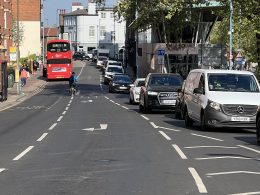
The morning squeeze has been worsened by severe traffic congestion along Lower and Upper Richmond Roads, with buses crawling through gridlock even before reaching Putney town centre.
Strong precedent from TfL
Barnes is geographically closer to the Thames and central London than several other stations already on the Zone 2/3 boundary. It also sits on a rail corridor that could take pressure off the District Line and local buses, if more passengers were incentivised to use it.
TfL has a strong precedent for fare zone adjustments where doing so aligns with wider transport goals. In 2016, Stratford was rezoned to Zone 2/3, while Willesden Junction, Acton Central, and Shoreditch High Street all shifted to shared-zone status to encourage better travel distribution.
The Barnes petition, now online at Change.org, calls on TfL and the Mayor of London to undertake a similar review.