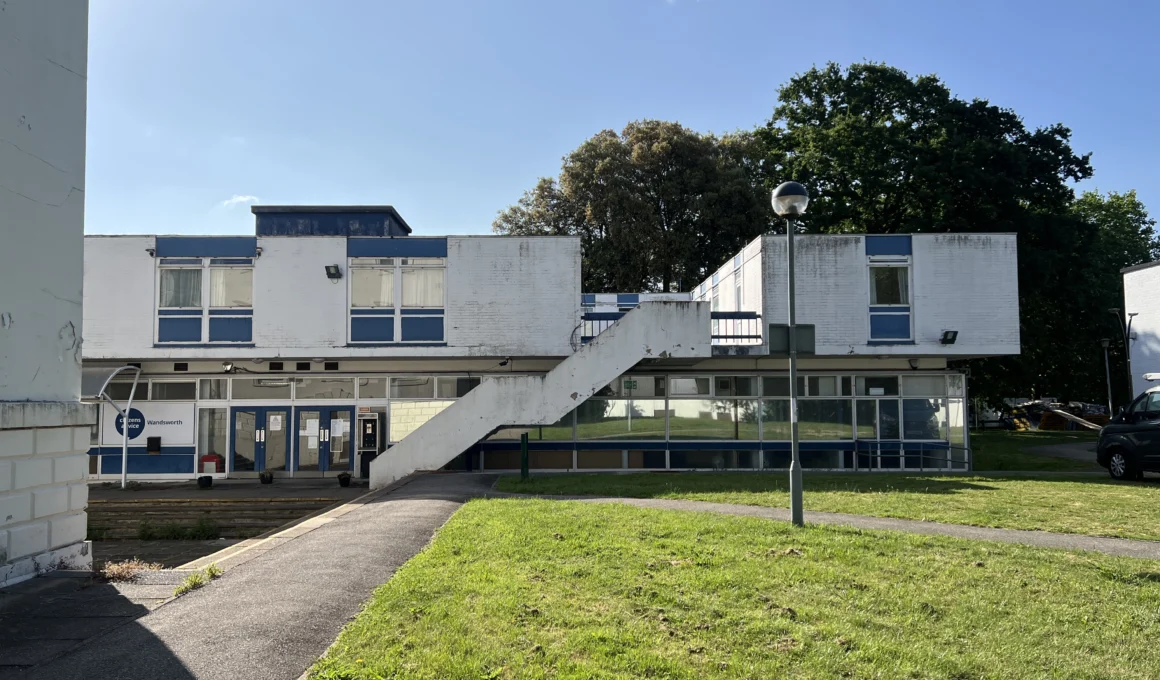
The developer behind a controversial plan to turn part of Roehampton’s Mount Clare campus into a 274-bed “temporary housing” site has suffered a major blow after a government planning inspector dismissed its legal appeal.
The decision [pdf], handed down on 11 July 2025 following a six-day public inquiry, rejects the developer’s claim that it could convert the former student blocks into a large-scale hostel for homeless individuals without needing new planning permission.
The ruling casts serious doubt over the future of the project and marks a victory for local campaigners who argued the scheme was being pushed through by stealth, with misleading claims about “family housing” and a lack of community consultation.
Developer Loses ‘Fallback’ Argument
The developer, AKA Capability LLP, had argued that the site — once used by Garnett College and more recently by the University of Roehampton — could be lawfully reused as hostel accommodation based on historic permissions dating back to the 1950s and 60s (2024/2089).
They claimed that this long-standing “hostel use” covered their current proposal to offer en-suite rooms with kitchenettes to people in need of temporary accommodation, citing an urgent housing crisis in the borough.
But the Planning Inspector disagreed, concluding that the proposed change from student housing to hostel-style temporary accommodation for the homeless would represent a material change of use, and as such required new full planning consent.
“The use as a hostel for temporary accommodation would result in a material change of use of the Site,” the Inspector wrote. “The proposed use would not, therefore, be lawful” .
What the Decision Means
The ruling means the developer can no longer claim legal ‘fallback’ rights to avoid proper planning scrutiny. It also undermines any suggestion that demolition and clearance work carried out on site over recent months was justified under existing permissions.
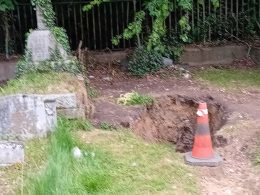
Putney.news previously reported that contractors had begun gutting buildings on the site — located within the Alton Conservation Area and bordering Richmond Park — even before a new planning application had been heard by Wandsworth Council’s committee. That full application remains pending.
It now appears that any attempt to begin converting the buildings without approval could face enforcement action from the council.
‘Hostel’ Claim Didn’t Stack Up
The Inspector’s report delves deeply into the site’s historical use. While it confirms that the buildings were originally labelled as “hostel units,” it makes clear that they were purpose-built to house students and cannot now be assumed to have unrestricted hostel use rights.
The Inspector noted that student housing and homeless hostels serve different populations, impose different demands on local services, and operate under different management structures — particularly when families or children may be involved.
For example, whereas university students might rely on campus-based medical, library, or recreational services, residents of temporary accommodation would depend more heavily on overstretched local services such as GP practices, schools, and community centres .
Questions Over Developer’s Conduct
The developer’s appeal was led by NTA Planning LLP, and the inquiry revealed a lack of clarity over how much of the site had been used continuously as student accommodation — and whether other uses, such as office space for the University of Roehampton or even the Citizens Advice Bureau, had created a “mixed-use” site, further undermining the fallback claim.
The Inspector also noted that the developer had “no clear proposals for Mount Clare House” — the Grade I listed centrepiece of the estate — and criticised the broad, vague definition of the proposed use as “temporary accommodation.”
With this legal route now closed, the only way forward for the developer is to await the outcome of the full planning application (2025/0074) and to subject the proposal to full public scrutiny.
A Victory for Residents
Local residents, some of whom gave evidence at the inquiry, have welcomed the decision as a sign that process and policy still matter — especially in sensitive areas like Roehampton’s Alton Estate.
“This isn’t about stopping new homes,” one resident told Putney.news. “It’s about making sure they’re decent, honest, and properly planned. This plan wasn’t.”
For now, the bulldozers are likely to pause. But with over 3,700 Wandsworth households currently in temporary accommodation, pressure remains on both the council and developers to find sustainable solutions — and to do so transparently.