Putney’s traffic crisis will be front and centre at tonight’s Wandsworth Council meeting — but not in the way residents might have hoped.
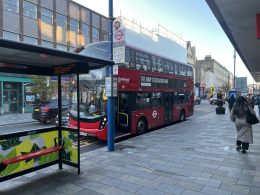
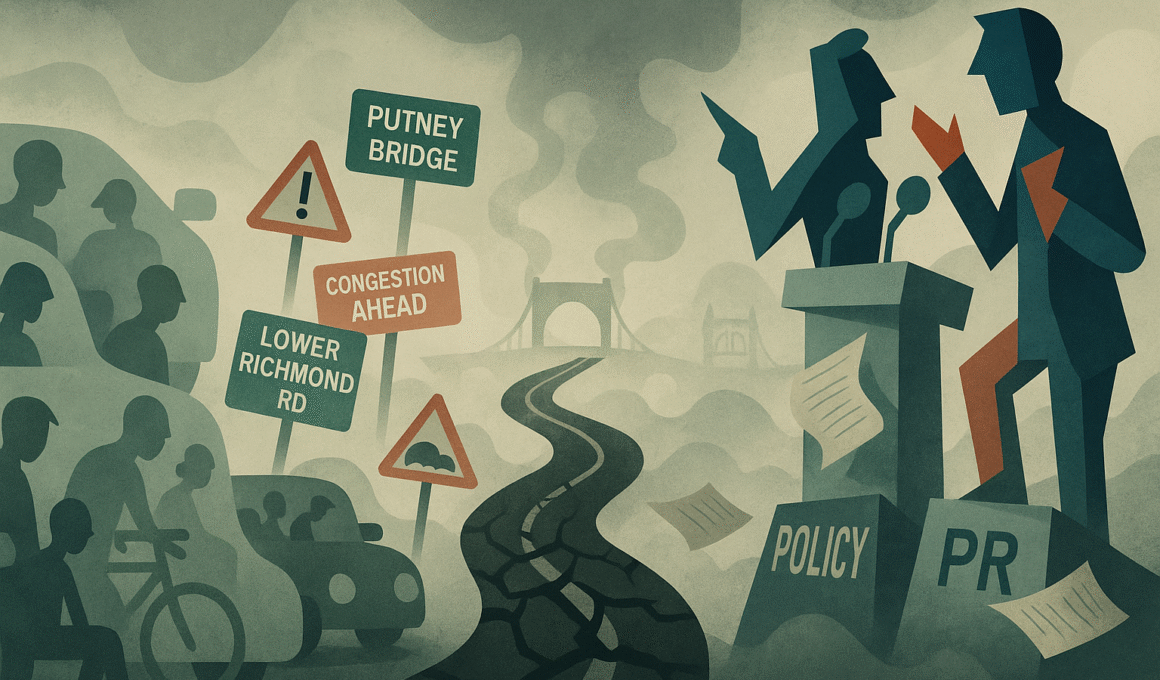
Conservative councillors Ethan Brooks and James Jeffreys have tabled a motion [pdf] condemning the Labour administration for changes made at the Putney Bridge junction, blaming the alterations — introduced without an updated traffic study — for the worsening gridlock that now defines Lower Richmond Road, Putney Bridge Road and Putney High Street.
The motion doesn’t stop at Wandsworth. It takes aim at Labour-led Hammersmith and Fulham Council for closing off nearby roads and at the Labour Mayor of London and Labour Government for offering “no support” to residents. It calls for the reversal of the bridge junction changes, publication of 2025 air pollution data, and renewed pressure to fully reopen Hammersmith Bridge.
“The daily gridlock around on Lower Richmond Road, Putney Bridge Road and Putney High Street is not an accident — it is the direct result of a series of political failures at every level of Labour government.”
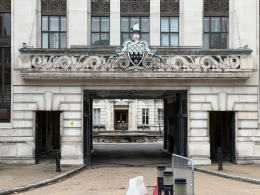
But as the motion is debated at the Town Hall, Putney residents will be meeting at the very same time — not in Council chambers, but in the community, at a public meeting organised by the Putney Action Group to confront the traffic issues head-on.
“This Labour-run Administration imposed damaging road layout changes at Putney Bridge without commissioning an updated traffic study.”
Too little, too late?
For many local residents, the timing feels like a familiar kind of politics: late to the issue, high on rhetoric, low on engagement.
Campaigners and community members have spent several months raising alarms — organising petitions, documenting delays, and demanding Council action. But it’s only now, with the public visibly mobilising and a residents’ meeting taking place, that local councillors have chosen to make a formal intervention — in a forum where residents cannot speak.
Their motion may echo some of the frustrations shared by locals, but its confrontational tone and party-political framing has left some observers questioning the intent. There is a growing sense that what’s needed is representative politics — listening first, acting second — not posture politics, where elected officials jump on community concerns for political mileage.
“These changes were introduced after the closure of Hammersmith Bridge — controlled by Labour-run Hammersmith and Fulham…”
Some valid points, but little sign of listening
The motion is not without merit. The lack of an updated traffic model before changes to the Putney Bridge junction is a genuine concern. Residents and transport advocates alike have asked for clearer data on congestion and air pollution, and there’s broad agreement that the Hammersmith Bridge saga continues to funnel unnecessary traffic through Putney.
But without direct engagement with the people affected, there’s little guarantee that the proposed fixes actually reflect the community’s priorities. The risk is that the motion becomes another Town Hall set piece — more about scoring points against political opponents than solving the structural transport problems in Putney and across the borough.
Caught between gridlock and grandstanding
As Putney continues to suffer daily tailbacks, delayed buses, unsafe cycling conditions and rising pollution, residents have every right to expect more than a war of words between parties.
“Instead of standing up for Wandsworth, Labour councillors have stood by while their colleagues in Hammersmith and Fulham closed off surrounding residential roads to through traffic…”
Worse still, the clash of timing — a resident-led public meeting coinciding with a Council debate on the very same issue — serves as a metaphor for what’s broken in local politics. Instead of attending the community meeting, listening to what’s being said, and then responding through the formal process of Council motions and decision-making, councillors are seizing the narrative without ever having sat in the room.
It is not the first time Putney has seen politicians grab hold of grassroots concerns and repackage them without nuance. Local campaigners have long voiced frustration at being spoken about, but not spoken to.
“The Labour Mayor of London has offered no support. The Labour Government has stayed silent. Meanwhile, residents sit in traffic and pollution rises.”
Putney’s traffic crisis was not created overnight. The motion blames Labour extensively but the reality is that the failed traffic design of Putney Bridge junction was developed and approved by both Conservative and Labour councillors, and Hammersmith Bridge has been closed for over six years, while the current government has been in place for just one.
By failing to acknowledge wider failures, it is inevitable that the motion will be dismissed in the same party political terms, with real issues in Putney serving as no more than this month’s political football.
It will take much more than finger-pointing and PR motions to provide solutions to Putney’s problems. So, for now, when it comes to the current traffic problems, it is the Community Church and not the Town Hall that holds the answers.