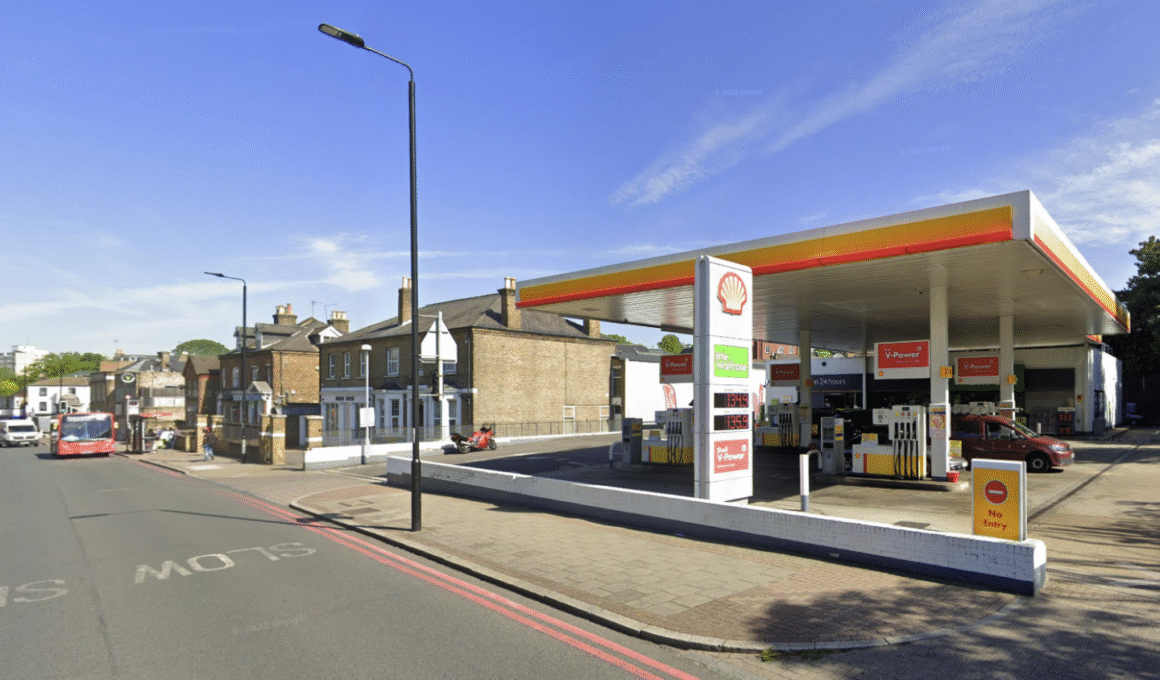
A bid to sell alcohol around the clock at the Shell Little Waitrose on Roehampton Lane has been refused by Wandsworth Council after councillors ruled the move would worsen antisocial behaviour and public nuisance in one of the borough’s most deprived areas.
The decision [pdf] was made at a Licensing Sub-Committee meeting on Monday 19 May, where councillors heard [pdf] a string of objections from local residents and Roehampton ward councillors, who said the extended alcohol hours would fuel late-night disruption, litter, and dangerous behaviour near schools and homes.
“This area already has a serious problem with public drinking, drug use, and intimidation — especially around Putney Heath,” said Cllr Matthew Tiller. “We’re trying to reduce late-night disturbances, not encourage them.”
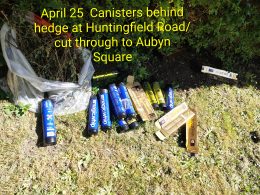
Residents backed that view with vivid accounts [pdf] of the current problems. One described regular fights behind the petrol station and “intimidating drinking” during existing hours. Others warned of broken bottles, noise, and even drinkers using their front gardens as seats or urinals.
Police objections withdrawn — but residents stood firm
Initially, the Metropolitan Police also objected to Shell’s application, warning that late-night sales could undermine crime and disorder objectives. However, they withdrew their objection after the company agreed to tighter controls — including keeping the main shop closed between 11pm and 5am, with sales only through a night hatch; staffing the site with two employees overnight; and requiring delivery drivers to uphold Challenge 25 age verification and avoid deliveries to parks, schools or playgrounds
Despite those changes, the council said it was not enough to overcome the broader risks — citing in particular the site’s proximity to the Alton Estate.
“This isn’t just about what happens inside the store,” the committee found. “The site risks becoming a magnet for street drinking and disorder… at a time when the surrounding community is already under pressure.”
The council’s ruling also noted that the Roehampton store’s location near Holy Trinity Primary School and a local church made the risks more acute, especially in terms of litter, loitering, and the normalisation of public drinking among children.
Crucially, councillors also expressed disappointment with Shell’s approach, stating that the applicant’s barrister had taken a “dismissive tone” toward the concerns raised by councillors and residents. The committee said the applicant should have “accepted and addressed” the local knowledge presented to them.
Meanwhile in Battersea…
In contrast, a similar application heard during the same meeting — this time from Londis on Battersea Bridge Road — was approved, after the applicant engaged more constructively with authorities and agreed to a range of conditions from the outset.
That store applied to operate until 2am each day, selling alcohol and offering late-night food. While it also drew concerns about antisocial behaviour and noise, police and Trading Standards said their issues were resolved after Londis agreed to:
- Reduce opening hours in line with council policy
- Hire three staff after midnight, including a personal licence holder
- Use shutters to conceal alcohol outside sale hours
- Ban sales of high-strength single cans
- Provide staff training every three months
Councillors felt the approach demonstrated a willingness to work with the community — and noted that the area, while not without challenges, was less deprived and less affected by alcohol-related harms than Roehampton.
A tale of two boroughs
The contrast between the two decisions highlights how local context and applicant engagement shape licensing outcomes. While Shell’s application focused heavily on operational safeguards and legal compliance, the council made clear that social factors — including existing deprivation, nearby schools, and street-level disorder — must also be considered.
The committee concluded that granting Shell’s request would risk compounding long-standing problems, particularly in a community undergoing regeneration and grappling with limited resources.
The Shell application was formally rejected for the alcohol sales extension, though changes to the store layout were approved. Londis was granted its full new licence with conditions.