The Wandsworth Pretzel’s days are numbered after council officers recommended approval of the landmark’s removal, despite unanimous opposition from residents.
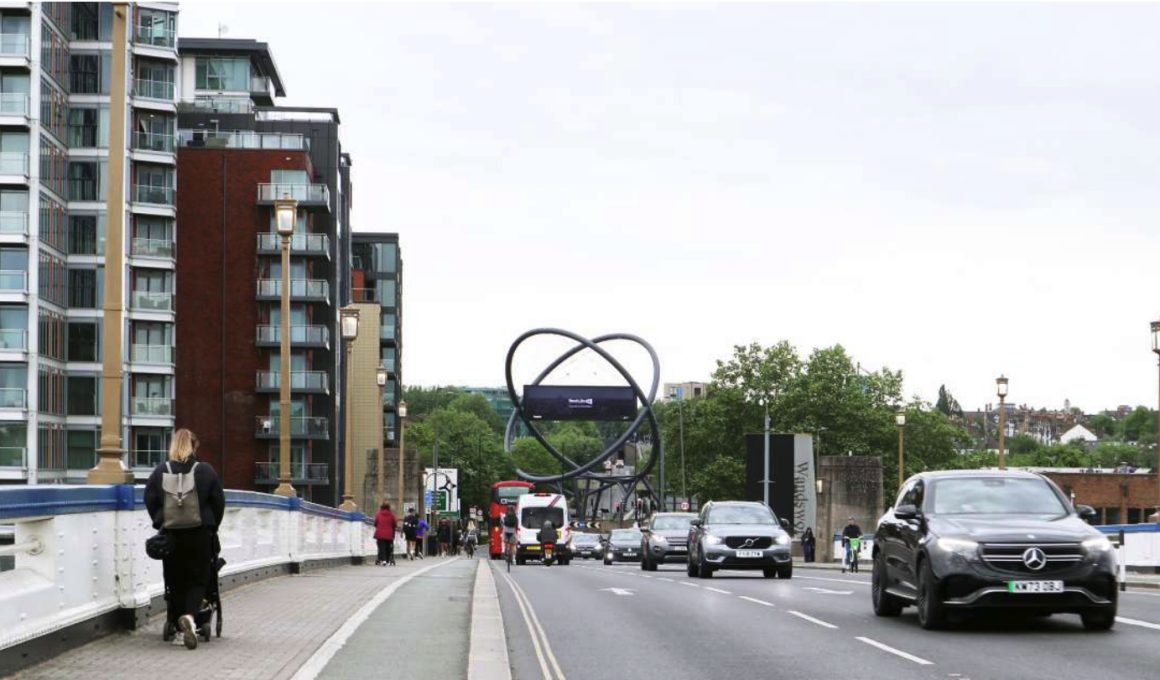
The giant steel rings have stood in the middle of Wandsworth Roundabout since the late 1990s. Councillors vote on Thursday night on whether they come down, and the Pretzel is only getting that vote because the council owns part of the ground it stands on.
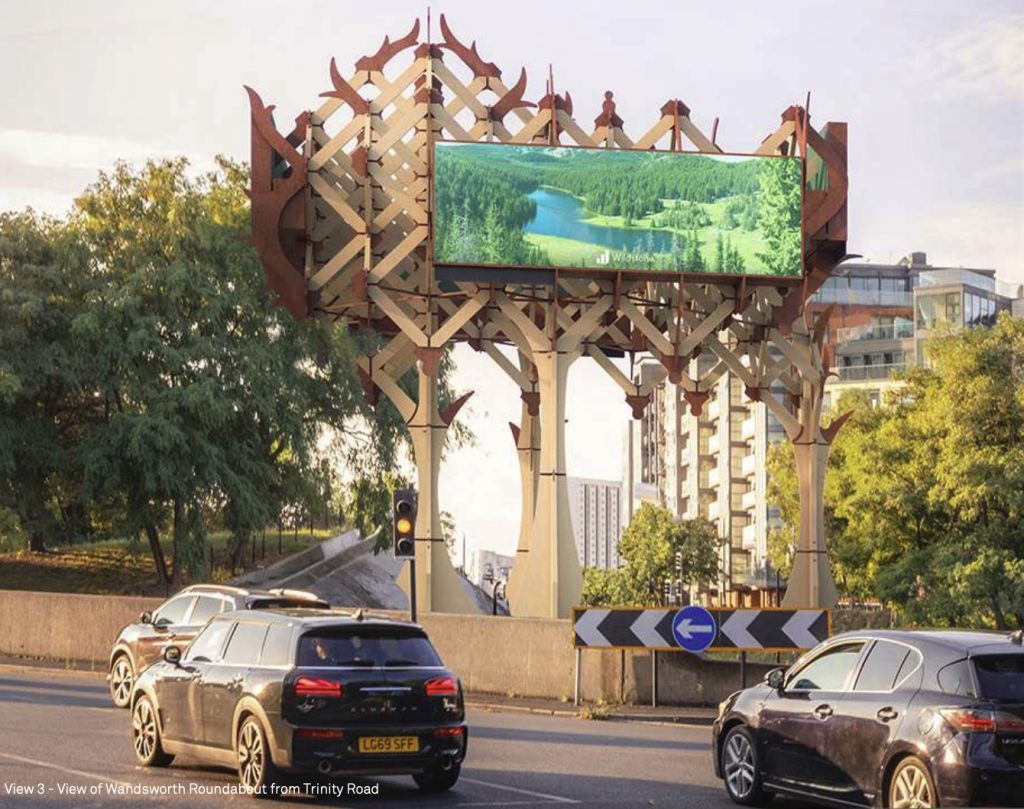
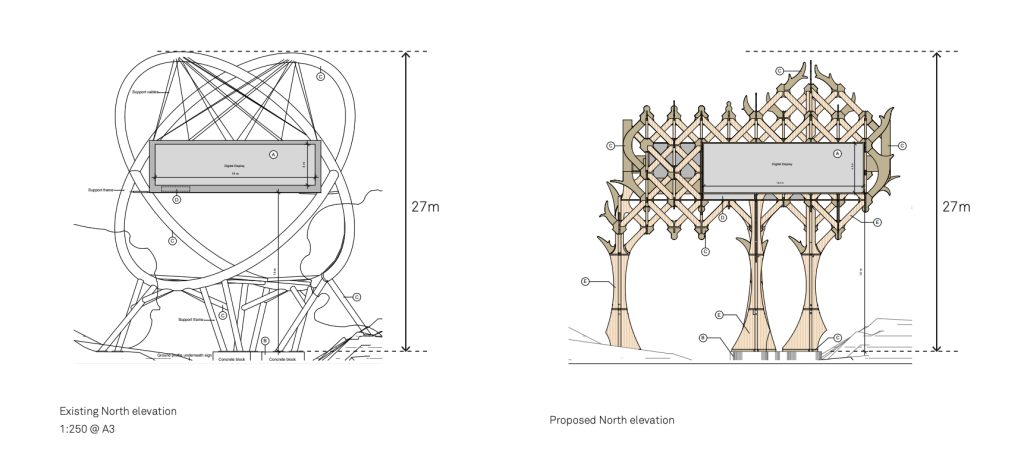
In its place would go a 26-metre wooden tower carrying four advertising screens, each one bigger and brighter than the screens up there now. Objectors call the new design “garish”, “hideous” and “bamboo-like”. Dr Simon Humphries, who rates the existing rings “unique and modern”, called the replacement “appalling and totally out of place”.
So why rip down something nobody wants ripped down? The company behind the plan has put the answer in writing.
Wildstone Estates, the outdoor advertising firm that bought the site last year, told the council the new tower “will increase the potential for revenue generation at the site”. Its architects were briefed to turn “a well performing but fairly standard advertising site” into “an exciting and new exhibit”.
With the new design, the digital advertising screens will be larger and brighter with two of the four raised above trees that over the years have grown to obscure part of the hoardings.
Nobody asked the neighbours. Advertisement applications carry no duty to consult, so the council posted no letters. It stuck up a few site notices. Then 157 people wrote in anyway. Of those, 153 objected, four were neutral, and not one was in favour.
Two more objections came from inside the council itself.
Its Conservation and Heritage Advisory Committee, the panel that advises councillors on how the borough looks, asked the question nobody else had put on the record: why does the thing need replacing at all?
The council’s own Principal Conservation and Urban Design Officer told them a need “had not been identified specifically”. Nobody, in other words, had shown there was anything wrong with it.
The panel objected anyway. Bigger screens, higher up, would do “an amount of harm to local residents”. A tower sold as timber is timber cladding on steel. And the rings residents are being asked to give up “had, over time, become part of the street scene and was inconspicuous in its appearance”.
Transport for London objected as well. The crash record on the roundabout approaches, it warned, made this the wrong spot for an advert “where it may distract road users and increase road safety risk”. TfL then dropped the objection in return for a condition.
None of the 153 will get to say a word. Wandsworth lets neither objectors nor applicants speak at its Planning Applications Committee. Only a ward councillor who is not on the committee may speak, and only if the chairman lets them.
The reprieve, such as it is, came from Cllr Ravi Govindia. He asked for the decision to be taken by councillors rather than an officer, “in the interest of transparency given that the land is partly owned by the Council”. Govindia chairs the committee that votes.
- Height
- 27m
- Screens
- 4
- Each screen
- 14m × 4m
- Screens apart
- 15.1m
- Brightness at night
- 120 cd/m²
- Material
- Steel
- Height
- 26m 1m lower
- Screens
- 4 same
- Each screen
- 14.2m × 4.6m bigger
- Screens apart
- 23m and 26m further out
- Brightness at night
- 160 cd/m² a third more
- Material
- Timber clad on steel
Pretzel logic
Officers never claim the new tower is better. They say the rules leave them nowhere to go.
Advertisement consent is a far narrower permission than planning permission. A council can weigh how a thing looks, how it affects people nearby, and whether it is safe. Ugly, beloved, and nobody asked us are not on the list, and that is most of what the 153 wrote about.
The rings are not listed and stand in no conservation area, so there are “no statutory or local plan polices that would prevent” their demolition. Complaints about the design are “subjective”. The verdict runs: “there are no material considerations of sufficient weight to justify refusal.”
Twisted, but that is the shape of it. The more residents hated the design, the less it counted.
49 accidents in the five years to 2015, an average of 9.8 a year. 114 in the ten years from 2016, an average of 11.4 a year.
“No clear increase in accidents” after the digital displays went in, with a spike in 2019 and a downward trend since, which they attribute to highways improvements in the area.
Salt in the wound
The screens get a third brighter. They run at 120 candelas per square metre after dark now; the new ones would run at 160, straight into the flats that ring the roundabout. Industry guidance allows up to 300, and a condition would hold them under it.
They also swing outwards, towards the traffic. The screens sit 15.1 metres apart today and would sit 23 and 26 metres apart.
Wildstone's own covering letter says why: the panels were shifted "to improve visibility". The council's report calls the change "not significantly visually impactful".
Residents were not buying it. A residents' group the report names only as RWRA called the scheme a "naïve design chosen to maximise earning potential at the expense of the existing landmark". The Battersea Reach Residents Association said the screens already run around the clock and wreck people's sleep, and that replacing them was "inconceivable".
The crash figures come from Wildstone's own highways report. There have been 163 accidents at the roundabout since 2011: 144 slight, 18 serious, and one death, in 2022. Forty-nine came in the five years before the screens went digital in 2016, and 114 in the ten years since, an average of 9.8 a year before and 11.4 after.
Officers read the same table and find "no clear increase in accidents", a spike in 2019, and a downward trend they put down to highways work.
TfL had one more go, warning that clutter from the new tower could be harder on neurodivergent people and those with sensory processing differences. Officers threw it out. TfL had produced no evidence, they wrote, and "complex shapes are not uncommon in our natural and built environment".
Two of the thirteen conditions deal with birds. The tower must be strung with steel wires under a millimetre thick, tensioned so birds cannot land on it and foul the timber. It must also carry four bird boxes and two bee hotels, to secure a gain for biodiversity.
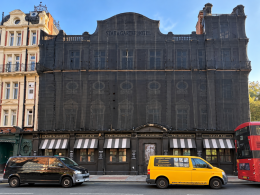
The report also disposes of A Clockwork Orange. Scenes were shot in the underpass beside the roundabout, but the rings went up in the late 1990s and have nothing to do with the film. The heritage panel has been overruled before. In July, on the Lloyds Bank building in Putney High Street, it turned out to have been right and it changed nothing.
Wildstone is not asking for the usual permission either. It wants consent for 15 years instead of the standard five, its letter says, "due to the need to capitalise the investment over a longer period".
Not a single letter of support has reached the council. Councillors vote at 7.30pm on Thursday on whether the Pretzel finally comes untied.
Everyone ticked gets the email. Untick anyone you would rather not write to.
What you can do
The application is 2026/2045 on Wandsworth Council's planning website. The officer's report to the committee is published there in full.
Comments can still be submitted until the decision is made. From Friday 11 September the council's online comment form is unavailable while it replaces its planning IT system, so representations go by email to planning@wandsworth.gov.uk.
You cannot speak at the meeting. Wandsworth's published guidance is that neither applicants nor objectors may address the Planning Applications Committee. A councillor who represents the ward but does not sit on the committee can attend and speak briefly on the item, at the chairman's discretion. The ward is St Mary's, and its councillors are Caroline de La Soujeole, Charlie Fisher and Zarah Wiles, all Conservative. Cllr Wiles sits on the committee itself, so she will be among those voting.
The meeting is at 7.30pm on Thursday 17 September at the Town Hall, Wandsworth High Street, and is open to the public. It is webcast at wandsworth.public-i.tv.