The only London-wide body designed to coordinate Thames bridge closures would have no early warning if Putney Bridge required emergency action – a situation that is very possible given engineering reports dug out by Putney.news, and one that would create traffic chaos across Southwest London.
The coordination body works by receiving reports from bridge owners about planned works. Putney Bridge has had no maintenance since January 2021, no budget, and no programme. It has nothing to report.
That finding comes from a Freedom of Information request to Transport for London. The request also confirmed that the same body had no advance warning of Albert Bridge’s emergency closure in February, because the December 2025 meeting that would have caught it did not take place, and the bridge had missed the two meetings before that. The system is built for planning. It does not monitor condition.
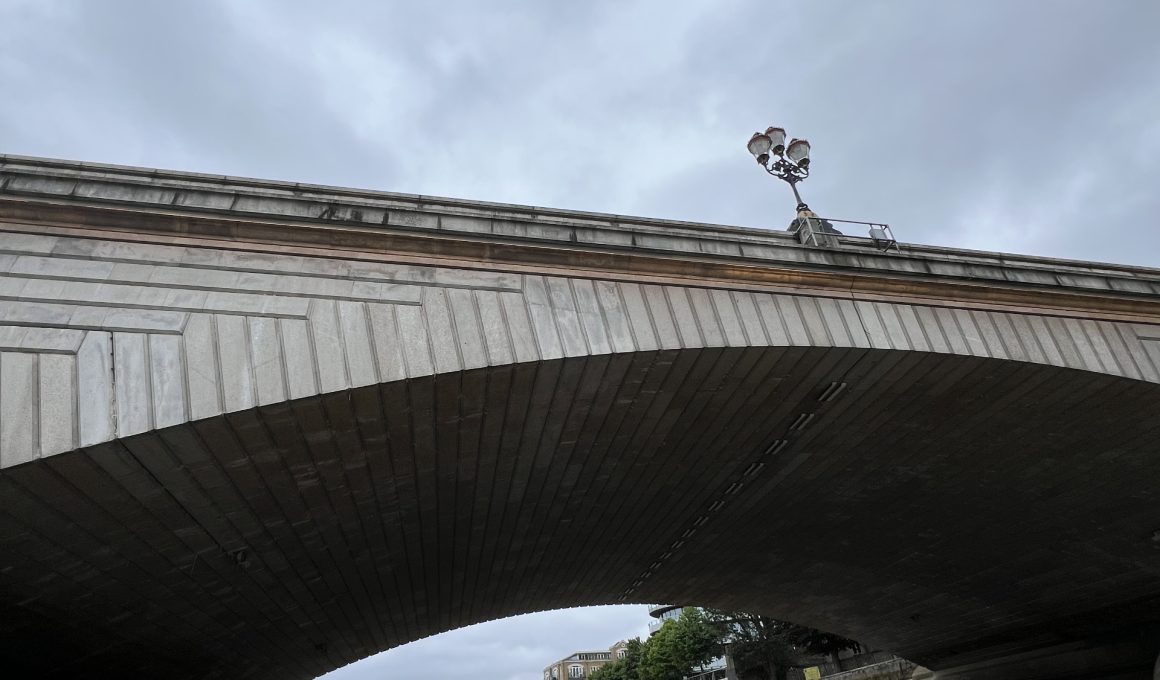
Southwest London has now lost two Thames crossings. Hammersmith Bridge has been closed to motor vehicles for over seven years. Albert Bridge closed in February 2026 and may not reopen until next year. Putney Bridge is the last unrestricted crossing left in this stretch of the river. As we established last month, its structural condition score is below the national intervention threshold. No one at a London-wide level is watching it, because there is nothing for Wandsworth Council to report.
The body is the Thames River Crossing Coordination Group. It meets every two months and 24 organisations attend: the London boroughs, TfL, Network Rail, the Port of London Authority, and the Department for Transport. Bridge owners report planned works so that traffic managers can coordinate around them. The system does that well. What it cannot do is catch a bridge that is deteriorating without any programme at all.
The meeting that didn’t happen
As of October 2025, Kensington and Chelsea council had told the group that Albert Bridge would close for planned works in summer 2026. That was what everyone was working to.
The attendance record in the months before the closure tells a different story. From December 2023 through December 2024, Kensington and Chelsea sent a representative to every meeting, giving updates on deck panel works and resurfacing. Then: July 2025, no representative. September 2025, no representative. December 2025, meeting cancelled.
Albert Bridge closed on 9 February 2026 as an emergency, after an inspector found a cracked cast-iron component. TfL’s response to the FOI request is direct: “As this was an emergency closure there was no opportunity for coordination discussions.” The group’s chair was informed on the day. An internal update was logged 10 days later. The next meeting was 12 March 2026. By then the bridge had been closed for a month.
This is not a criticism of the coordination group. An emergency closure gives no advance notice by definition. The point is structural: the system cannot anticipate what bridge owners do not know themselves.
What this means for Putney Bridge
Putney Bridge does not appear in the minutes TfL disclosed. That is because it has no programme to report. Without scheduled works, there is nothing to flag. Without anything to flag, the coordination system has nothing to pick up.
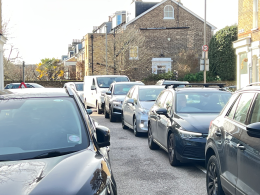
The FOI response is unambiguous about what follows from that: if Putney Bridge required emergency action, the group would find out when the closure happened. Putney Bridge carries around 37,000 vehicles a day, a figure that has barely shifted since Hammersmith Bridge closed, even as traffic on nearby crossings fell by around a quarter. A closure would fall on a river already reduced to one unrestricted crossing.
Minutes that stay secret
The FOI response contains a second finding.
In November 2021, the London Assembly’s Transport Committee recommended that the coordination group publish its minutes and provide annual progress reports. TfL’s commissioner wrote back in February 2022. Publishing documents, he said, “would be a positive approach” and TfL would work collaboratively toward it. On an annual condition report covering all Thames crossings, he offered to discuss incorporating it into the State of London Report process.
Four years on, neither has happened. TfL assessed the case for publishing minutes and decided against. The reason: publication might inhibit “open discussion of commercial, operational and legal matters.”
The minutes TfL disclosed in this very FOI response cover bridge resurfacing schedules and bank holiday lane closures. TfL looked at the question, said no, and the Assembly did not press it.
Wandsworth’s second bridge
Wandsworth Bridge, also owned by Wandsworth Council, has a £2.35m works programme underway from 26 May 2026, making permanent the bus lane and segregated cycle lane, rebuilding structural waterproofing beneath the footways, and widening both pavements.
The works are real. But the FOI response also shows that no principal inspection has taken place at Wandsworth Bridge since October 2015. A principal inspection (the most thorough in the standard schedule) has not been carried out in nearly 11 years. The current programme is infrastructure and layout work, not a structural survey. Our coverage of the Wandsworth Bridge works has the full picture.
What happens next
The government’s £1 billion Structures Fund has a draft application deadline of 19 June 2026. Wandsworth has applied. The outcome is unknown.