A consultation has opened on the future of Horse Close Wood, the small but ecologically important woodland on the northern edge of Wimbledon Park. Friends of Wimbledon Park launched the questionnaire this week. It takes about five minutes. Anyone can respond.
The wood sits inside a heritage landscape that has been here, in some form, since before Henry VIII. On the adjacent All England Club golf course, there is an oak estimated to date from around 1520. Horse Close Wood itself is younger. It dates to at least 1700, but it is one of the few old woods on alkaline soils in this part of south-west London, and home to rare bats, woodland birds including species of conservation concern, and native bluebells.
While the development battle over that landscape continues through the courts and in Parliament, the consultation is quieter business: what should happen to the wood regardless of what the development fight decides.
The current management plan for the wood is ten years old and is being updated in partnership with the London Borough of Merton, which owns and manages the woodland. Wandsworth Council is the planning authority. Friends of Wimbledon Park is asking residents what the next decade should look like.
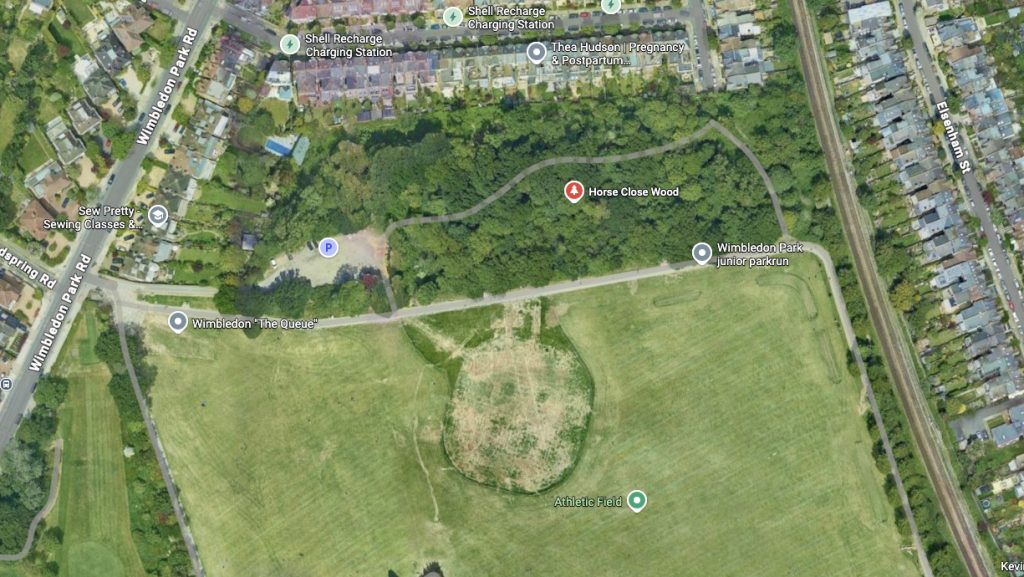
The questions are more substantive than they might sound. The draft revised management plan, available to read on the FOWP website alongside seven supporting documents, proposes that the car park at the western edge of the wood should be restored to woodland. The car park occupies 0.13 hectares, once wooded, and returning it to trees would bring the wood back to around 2 hectares. That proposal is the first priority in the draft plan. A further expansion of up to 1 hectare into the nearby Great Field is also proposed.
The consultation also asks about coppicing, a possible pond in the Great Field, paths, bramble, ivy, ash dieback management, oak processionary moths, dogs, and whether the Dave Lofthouse Glade (a wildflower meadow cleared from former National Grid works) should continue under meadow management. Each question maps to a real decision that will shape the wood for the next decade.
What the wood has been through
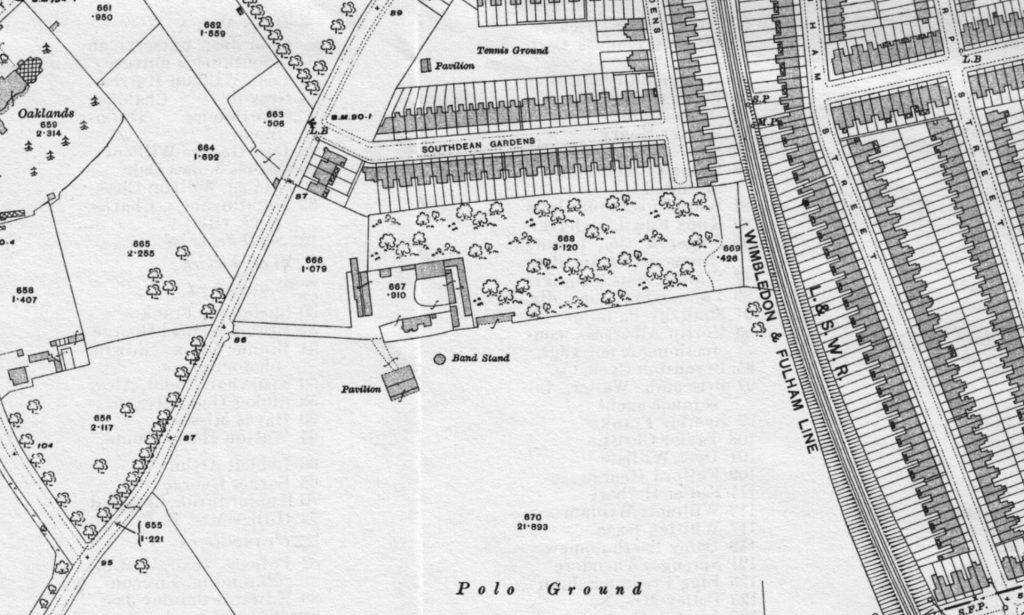
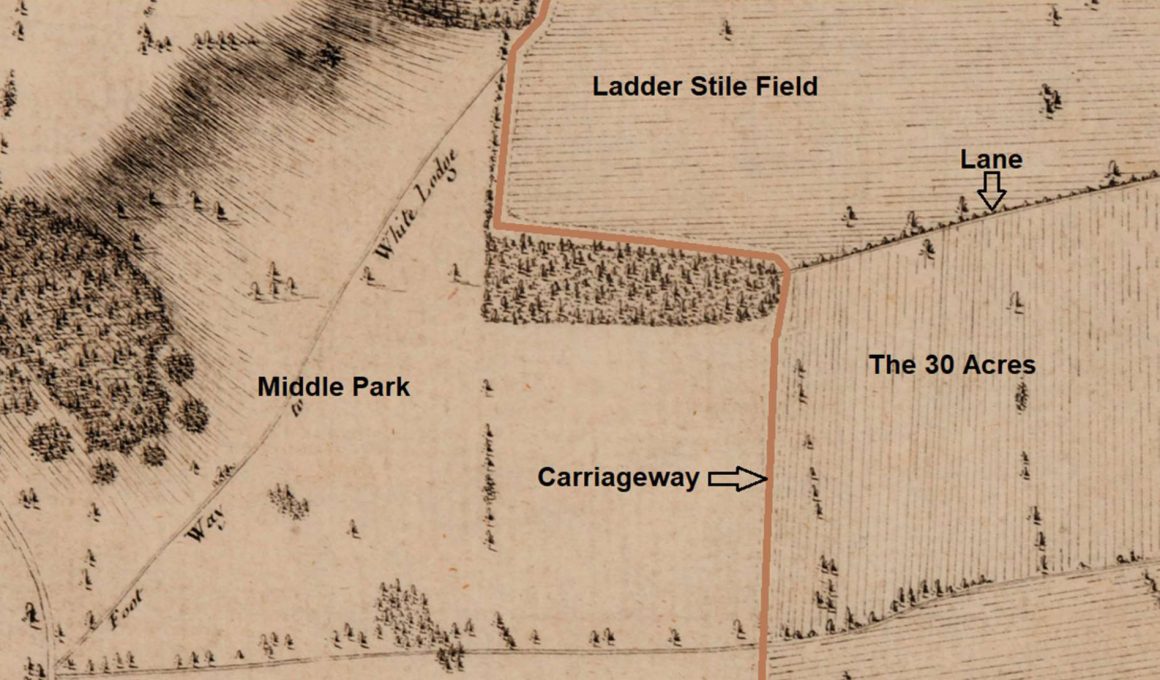
Horse Close Wood has survived a remarkable amount. It was incorporated into Capability Brown’s landscaping of the park in 1765. It later became the northern edge of a polo ground, then watched the polo stables become a piggery in the First World War, then allotments in the Second. A car park was built on the old farm site at some point in the 1950s and is still there today. Through all of it, the wood remained.
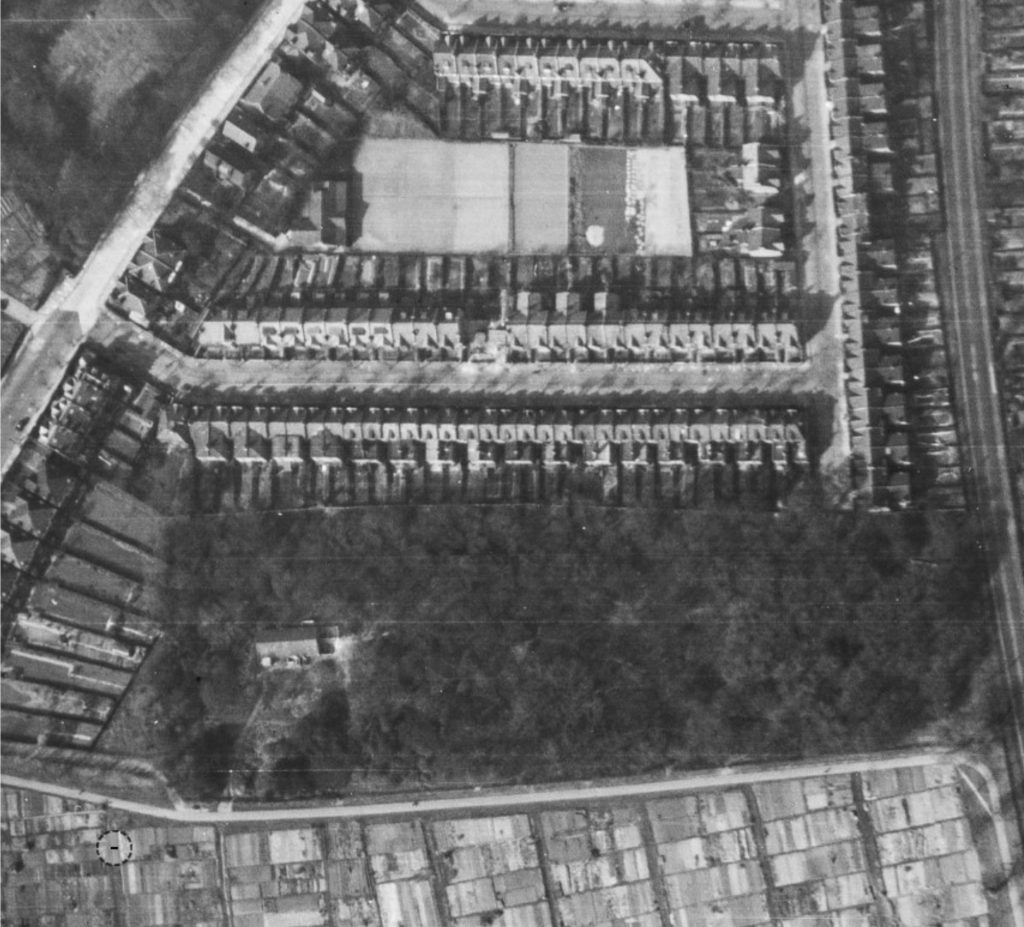
Since 2016, Friends of Wimbledon Park has been adding to it. Volunteers have planted around the edges, adding roughly a tenth of a hectare to the area, protecting old oaks and restoring ground lost over the years. The group wants to know what residents think should happen next.
How to take part
The consultation is open to everyone: no membership is required. A five-minute questionnaire is available at friendsofwimbledonpark.org/consultation-horse-close-wood-management-plan, or you can go directly to the consultation form. The draft management plan and all supporting background documents are linked from the same page.
Friends of Wimbledon Park has not published a closing date for the consultation. If you want to take part, do not leave it too long.
The wood has been here for over three centuries. How it is managed for the next one is something you can help answer this month.