There’s something remarkable about watching the world’s most famous naturalist lie on damp grass in the twilight, utterly absorbed by hedgehogs going about their evening business. Or seeing him handle a tiny harvest mouse with the same gentle fascination he’s shown mountain gorillas and blue whales.
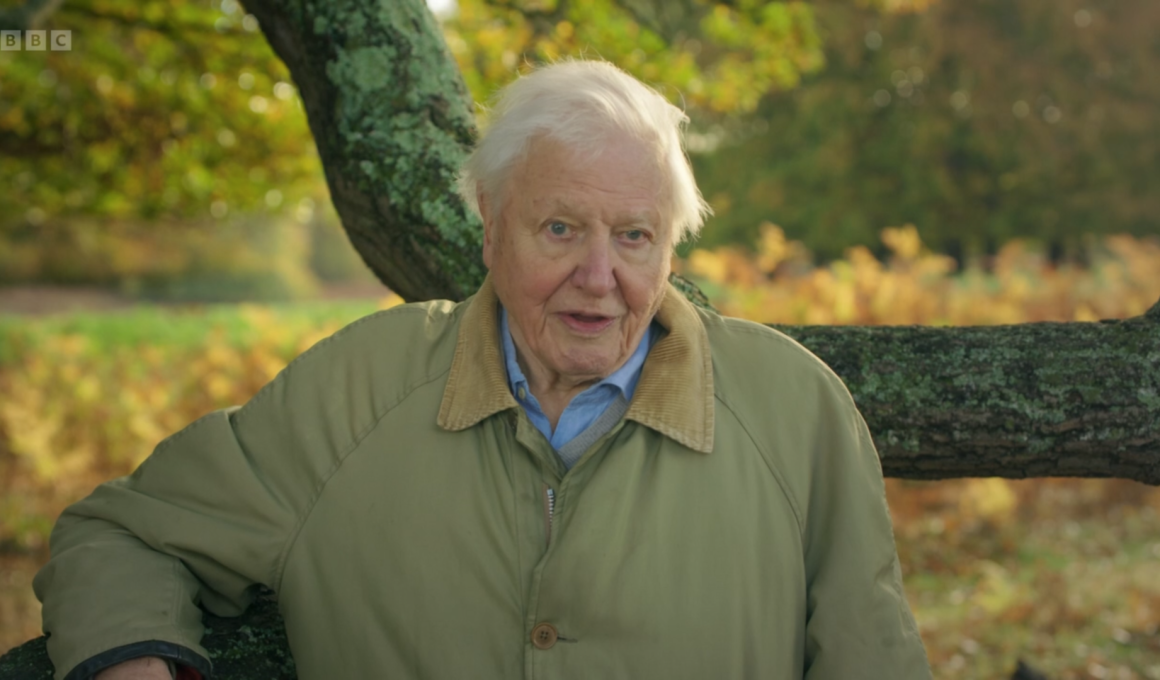
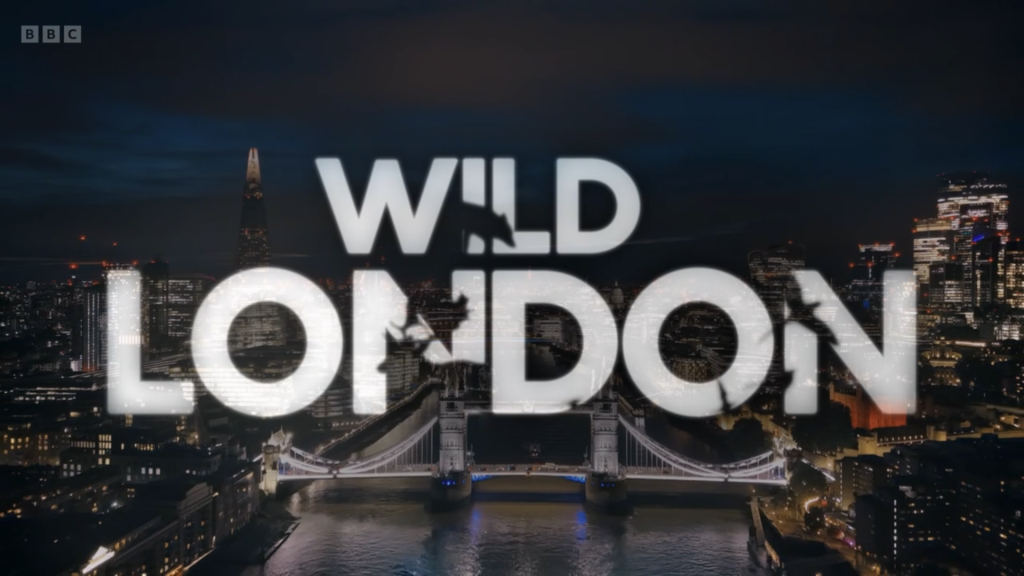
This is David Attenborough at 99, spending his centenary summer exploring the wildlife on his own doorstep for Wild London, which aired on BBC One on New Year’s Day. The documentary begins with Attenborough getting into a cab. “Good evening, sir, where to?” asks the driver. “Richmond please,” he replies. “Richmond it is.” It’s a simple opening that signals where his heart lies, and by the film’s end, standing among Richmond Park’s ancient trees, he makes it explicit: “It’s been both a refuge and a source of inspiration over the years. I’ve been coming here ever since I moved to London over 70 years ago. Even after all that time, and after all the places I’d visited, I wouldn’t want to live anywhere else.”
The documentary bookends itself with Richmond Park – beginning and ending in the 2,500 acres of ancient woodland that Attenborough has known intimately for most of his life. While the film takes viewers across London – peregrine falcons hunting from Westminster’s towers, wild beavers thriving in Ealing, urban foxes navigating their territories – it’s the park bordering Roehampton that frames everything, the place he returns to.
This isn’t Attenborough’s first time championing Richmond Park. In 2018, he narrated an award-winning film for the Friends of Richmond Park, where he serves as patron. That earlier documentary made the case for careful stewardship of a place under pressure from 5.5 million annual visitors. But Wild London feels different, more intimate. You see him actually in the park, not just talking about it.
The programme’s central argument is deceptively simple: cities need nature to be happy and healthy. Not as decoration, but as essential infrastructure for human wellbeing. Richmond Park makes the case beautifully, with its 630 red and fallow deer moving through ancient woodland where some oak trees have stood for 750 years. It’s a National Nature Reserve, a Site of Special Scientific Interest, home to rare stag beetles and woodpeckers, rabbits and toads, all this barely 20 minutes from Putney.
What makes Wild London unusual among Attenborough’s recent work is how much he’s actually in shot, interacting with the animals rather than simply narrating from afar. There he is with young foxes at dusk, handling peregrine chicks in Westminster’s Gothic towers, watching wild beavers with what film-makers describe as genuine disbelief that such creatures now thrive in London.
Beavering away
“If someone had told me when I first moved here that one day I would be watching wild beavers in London, I would’ve thought they were mad,” he says at one point, watching the animals work. “But there they are, right behind me, going about their own business.” It’s that combination of wonder and matter-of-factness that makes his presenting so compelling, even at 99.
For those who use Richmond Park regularly, whether accessing through Roehampton Gate or any of the others, there’s something quietly validating about seeing it recognised this way. The Friends of Richmond Park, which Attenborough supports alongside Clare Balding and Baroness Susan Kramer, continues its conservation work including maintaining the pond named after him in 2014. The charity’s 3,600 members and 300 volunteers keep the visitor centre running, organise education programmes, and lobby for the park’s protection.
Wild London is available to watch on BBC iPlayer, and it’s worth seeing for anyone who’s ever walked through Richmond Park and wondered about the lives unfolding just beyond the path. The documentary ends with Attenborough standing among ancient oaks: “Standing among these marvellous trees it’s hard to believe that I’m in a capital city. Richmond Park is one of my favourite places. Just minutes from my house.” It captures something essential about urban nature: it’s not separate from city life, but woven into it, there if you know where to look and have the patience to watch.
What’s your favourite local park or green space? Share your thoughts in the comments below.
The Friends of Richmond Park welcomes new members for £10 per year (single) or £15 per household, with all proceeds supporting conservation work. More information at frp.org.uk.