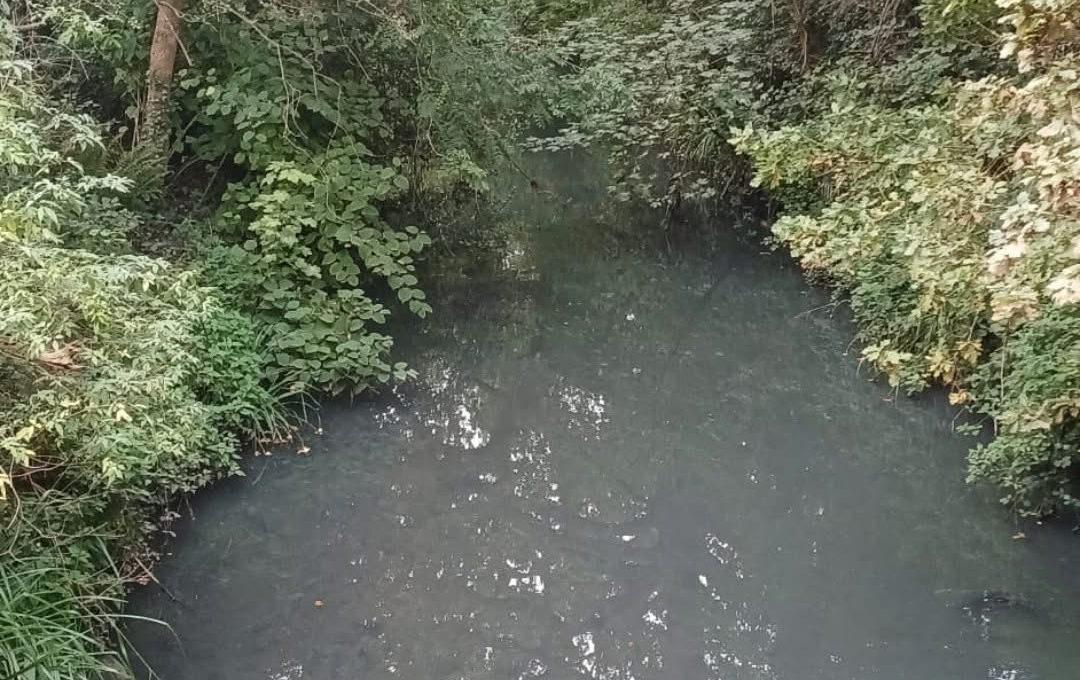
A fresh pollution spill in the Beverley Brook has triggered health warnings and remains under investigation more than 48 hours after it was first reported.
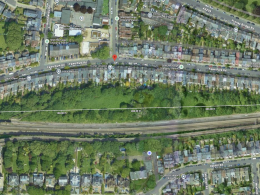
The Royal Parks Police confirmed over the weekend that a suspected discharge was detected on Wimbledon Common, where the brook flows into Richmond Park. Officers urged visitors to avoid entering the water until further notice, and specifically warned dog owners to keep pets away.
The Wimbledon & Putney Commons Conservators said the Environment Agency and Thames Water had been alerted and were investigating. Richmond Park echoed the warning, telling the public not to enter the brook until the situation is resolved.
So far, no authority has explained what caused the incident, leaving residents worried as the stream continues to flow unchecked through some of London’s most treasured green spaces.
Concerns and possible causes
The Beverley Brook has a history of pollution. In August 2024, a burst mains pipe at Kingston Hill caused raw sewage to spill into the river, leading to widespread warnings downstream. Earlier events have involved waste oil and sewage overflows.
Campaigners warn that the brook is vulnerable to a network of outfalls and combined sewer overflows (CSOs), which discharge storm sewage and misconnected drains into its course. In dry periods, much of the river’s flow is made up of treated effluent released from the Hogsmill Sewage Treatment Works, a regulated but controversial practice linked to traces of pharmaceuticals and “forever chemicals.”
Barnes Common, which monitors the brook at its downstream end, has stressed that it is not designated as bathing water and is not routinely tested by statutory agencies. That means many pollution events are only detected when members of the public or park staff raise the alarm.
Public reaction
On social media, residents expressed frustration that another pollution event had struck so soon after last summer’s sewage leak.
One widely shared comment pointed to “outfalls, which release treated water or overflow from misconnected sewers and storm drains” along the brook in Richmond Park. It noted that discharges near the boundary of Richmond Park and Wimbledon Common had been a “well-documented area of concern,” and that much of the brook’s flow originates from the Hogsmill Sewage Treatment Works.
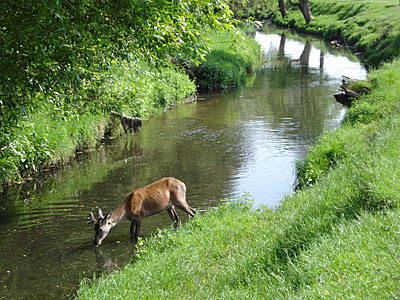
Local groups echoed the worry, with posts warning that even regulated discharges can affect wildlife and water quality. Many questioned why the brook — despite being an important corridor for deer, birds, and aquatic species — is not subject to more regular monitoring.
The course of the brook
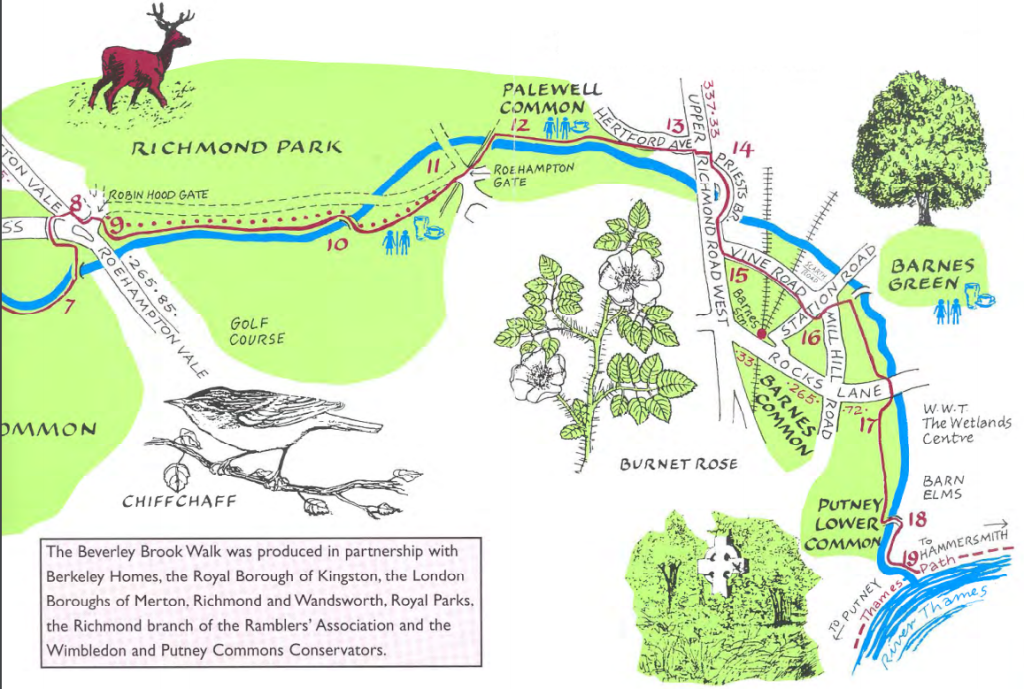
The Beverley Brook is a 14-kilometre tributary of the Thames, rising near Worcester Park and running through Wimbledon Common, Richmond Park, and Barnes Common before meeting the Thames beside the Putney boathouses.
The confluence sits upriver of the mouth of the River Wandle, another important urban waterway that joins the Thames at Wandsworth that also suffered a pollution incident earlier this year. Together, the two rivers highlight London’s struggle with sewage and surface water management.
The Beverley Brook serves as a vital ecological corridor, supporting kingfishers, herons, deer, and aquatic life — all of which are threatened by repeated contamination.
Waiting for answers
As of Monday evening, the Environment Agency had not confirmed the scale, type, or source of the latest leak. Thames Water has yet to issue a statement.
For now, the advice remains clear: do not enter the Beverley Brook, and keep dogs out of the water until further notice.
With the investigation still ongoing and the brook flowing into the Thames by Putney, residents and campaigners are pressing for answers on what went wrong — and whether it could happen again.