One of Putney’s most recognisable riverside landmarks is on track for a major restoration, as the London Rowing Club seeks to replace its deteriorating first-floor balcony with a historically-inspired and fully accessible new design.
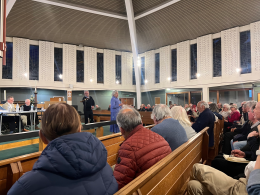
The proposal, submitted under planning application 2025/2022, received strong backing from Wandsworth’s Conservation and Heritage Advisory Committee (CHAC) this week, with members praising the scheme’s attention to heritage detail, inclusivity, and sensitive contribution to the Putney Embankment Conservation Area.
The existing concrete and steel balcony — installed in 1921 — is in poor structural condition, with corrosion and water damage leading to spalling concrete and urgent safety concerns. Following a structural survey by engineers Fothergill, the club propped the balcony with steel supports and was advised it must now be replaced.
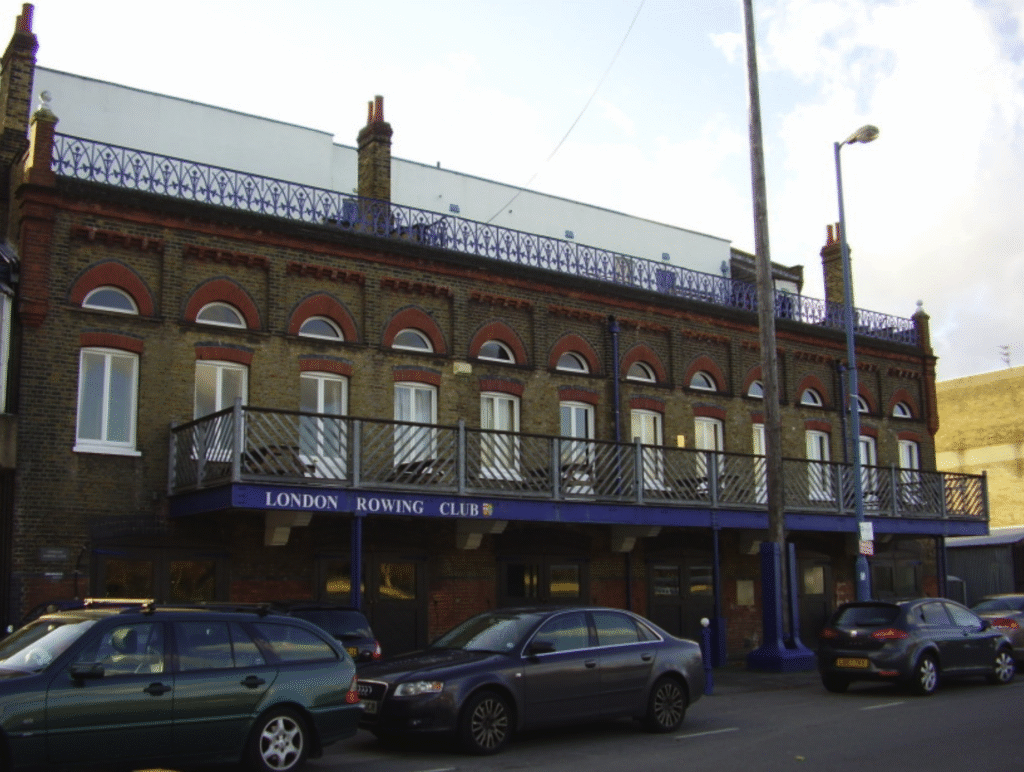
Rather than pursue a like-for-like fix, the club has seized the opportunity to return the building to something closer to its 19th-century appearance — while also improving accessibility and maintaining the building’s use as both a rowing hub and event venue.
“This is exactly the kind of work we like to see,” said Andrew Catto of the Putney Society during the CHAC meeting. “The current structure is clunky and detracts from the building’s character. What’s proposed will restore a more appropriate appearance and enhance its use.”
Victorian inspiration with modern improvements
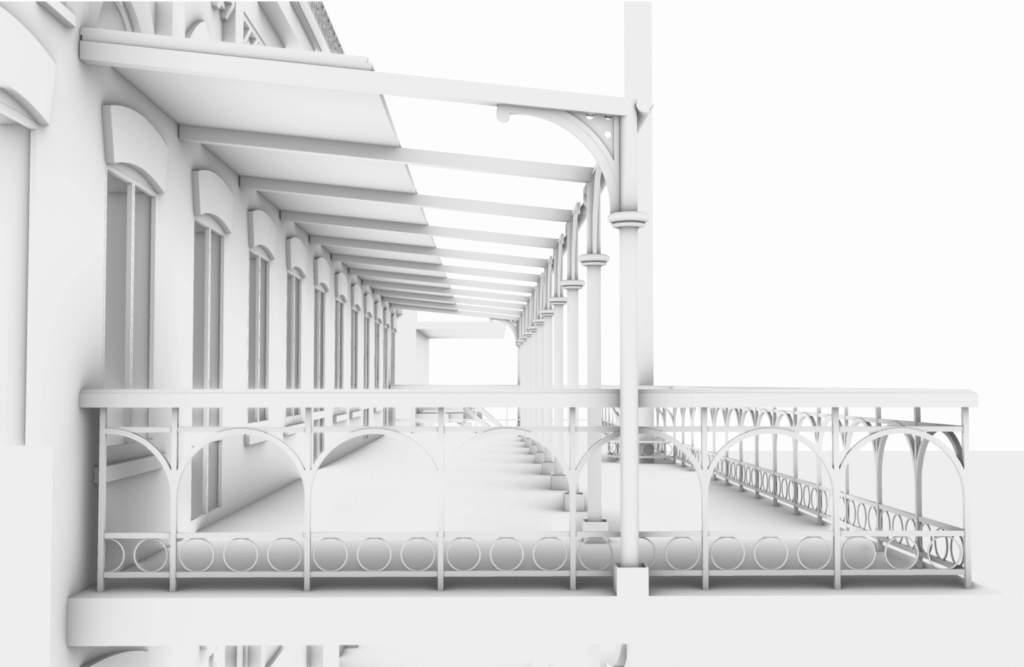
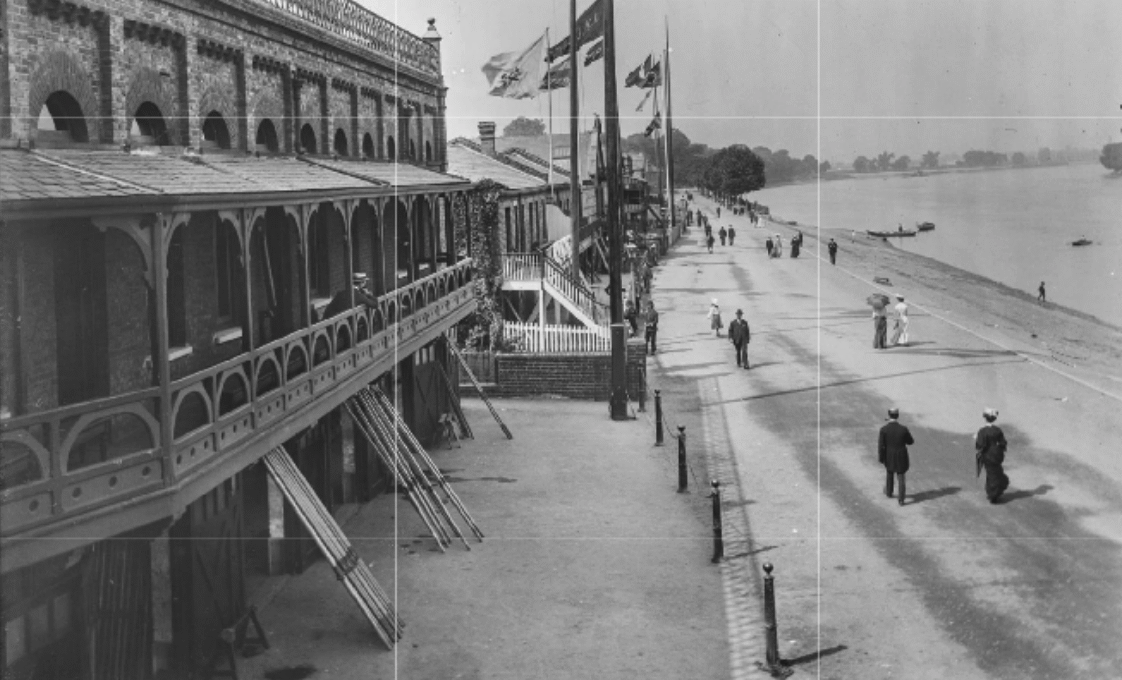
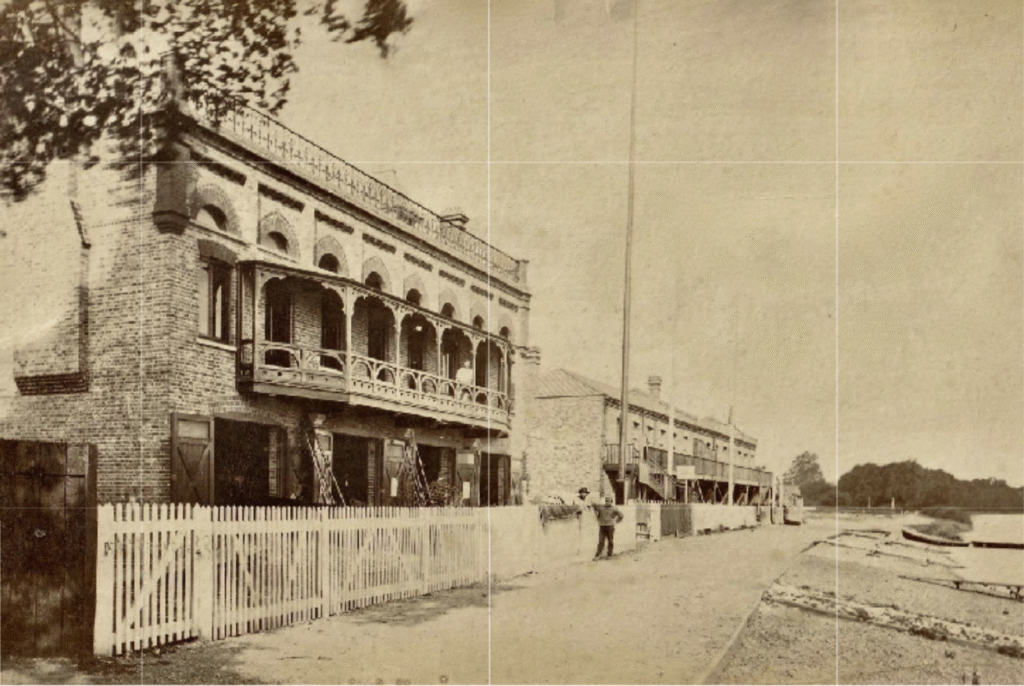
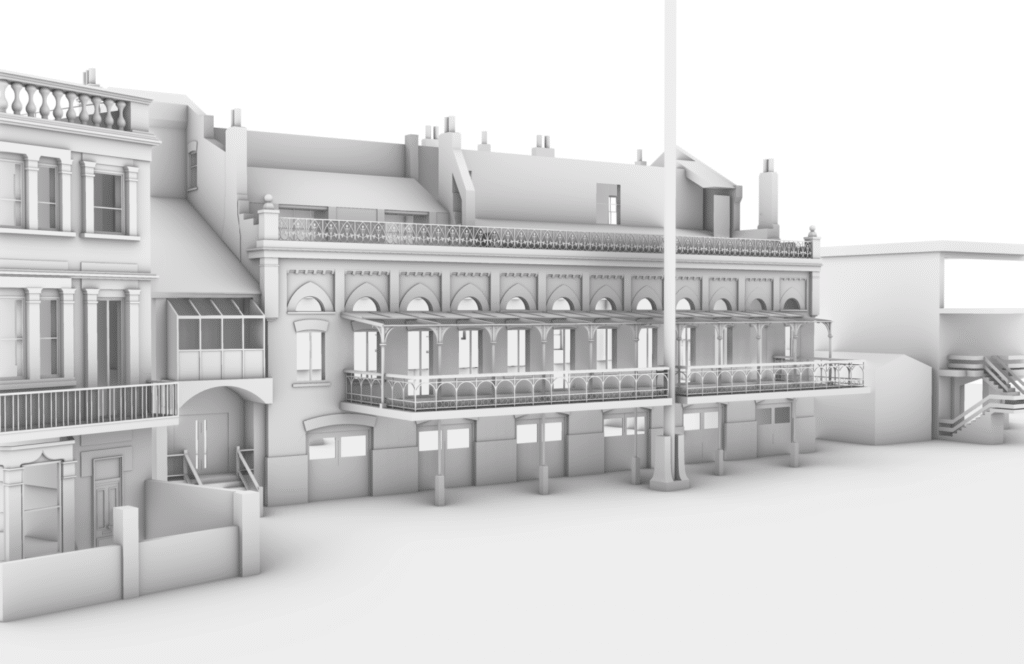
Archival photographs show that the London Rowing Club’s riverside façade once featured an ornate, covered balcony — an element lost when the 1921 version was installed. The new design restores this character, with a traditional-style canopy, period-style columns, and a balustrade based on the original 19th-century detailing.
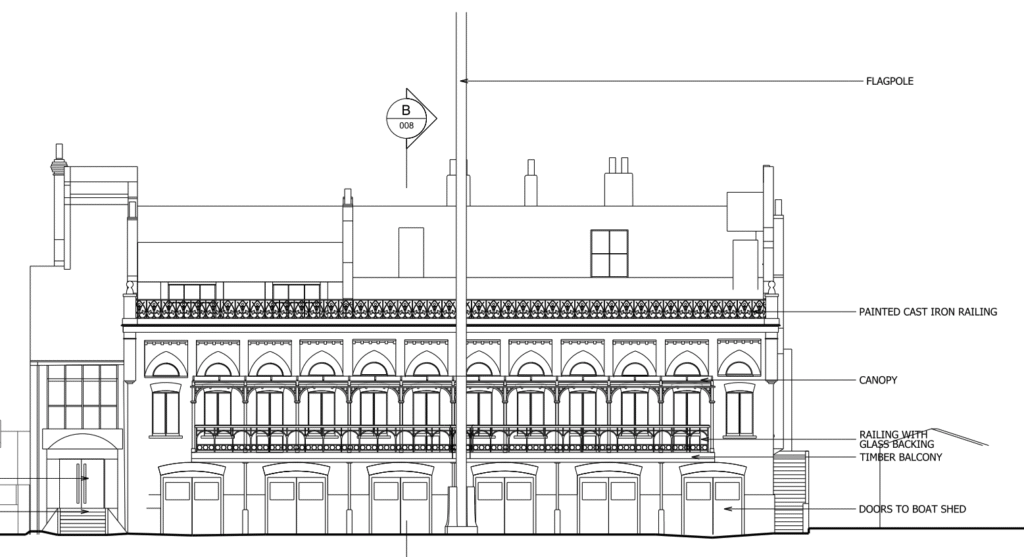
The new balcony will be 1.5 metres deeper than the current one, allowing improved circulation and accessibility, particularly for wheelchair users. The canopy — built from lead and glass — will cover the footprint of the old balcony, while the extended front section will remain open to the sky.

Other heritage features will be preserved and reinstated:
- The original stone corbels will be retained and reused as structural supports.
- A single row of columns, in keeping with the building’s style, replaces the previous steel framing.
- Historic bollards at the front of the site — an important part of the streetscape — will be restored as part of the works.
Balancing function, heritage — and neighbour concerns
The building, which dates to 1871, remains a working rowing club and also serves as a venue for private events — a key income stream that helps fund maintenance of the club’s historic facilities.
The new balcony has been carefully designed to accommodate both uses, while respecting the building’s setting and minimising any impact on neighbours. Following consultation, external staircases were removed from the plans to address security concerns and avoid post-event disruption.
A responsible noise management plan is already in place. The club confirmed there will be no change to event hours, capacity, or noise levels, with balcony use ending at 11pm and doors locked at that time.
However, not all neighbours are convinced. In a formal comment submitted to the council, one nearby resident wrote:
“While I appreciate there may be a need to replace the existing balcony, my fear is without time usage restrictions, particularly in the evening, this new balcony will become little more than a party deck, with little or no regard to residential neighbours.”
The objector cited experiences of loud music and catering noise from previous events and claimed earlier restrictions on side access were now being ignored:
“Some evenings we struggle to hear our television due to the noise from the boathouse.”
The club has insisted that management practices will not change under the new design and that improved accessibility is the driving factor behind the deeper balcony.
Conservation committee mostly united
Despite concerns, the committee welcomed the combination of heritage sensitivity and functional improvement, describing the scheme as exemplary. The only note of caution came from officers who requested clarification on the exact materials for the balustrade, which is proposed to be hardwood timber matching riverside handrails.
Chair Michael Jubb said the scheme showed “real care and understanding of place” and praised the club’s engagement with planners, conservation officers, and the local community.
The committee’s recommendation now goes to Wandsworth Council’s planning team, which is expected to make a formal decision in the coming weeks.