

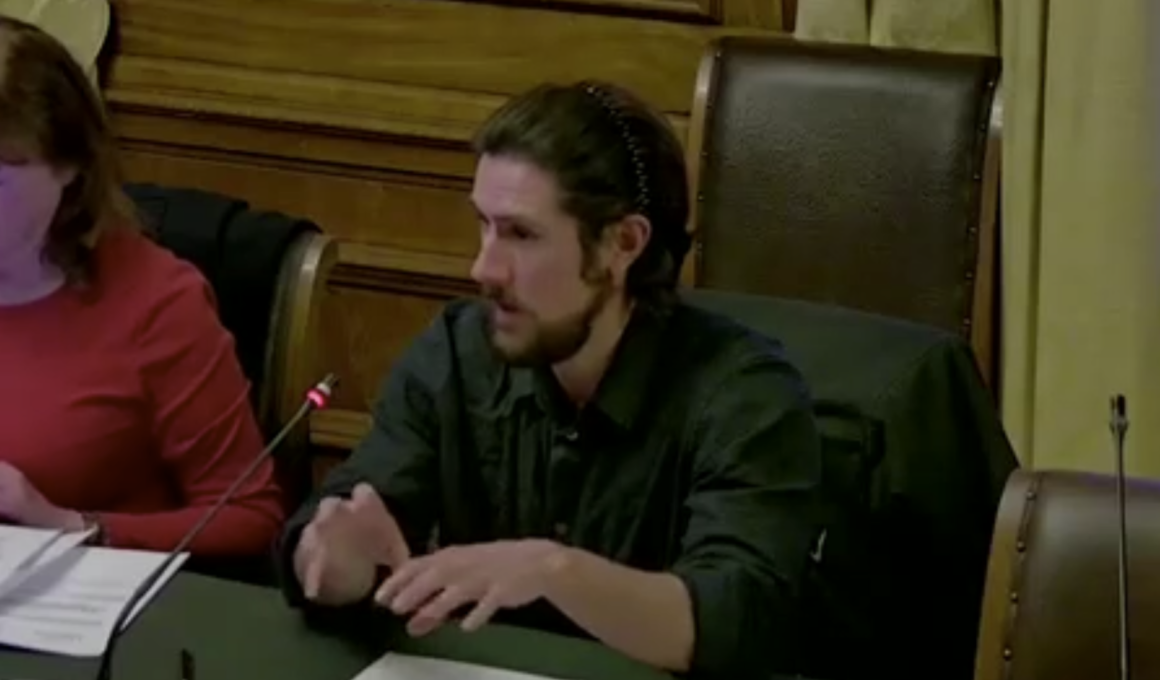
The planning inspector told Wandsworth Council its flagship affordable housing policy was not legally sound and could not be adopted as submitted. Three days later, the Cabinet Member for Housing called the outright rejection “very, very good news.”
Cllr Aydin Dikerdem told Cabinet on 23 February 2026 that “the only thing we didn’t get” from the examination was the council’s proposed 45% affordable housing threshold. That is simply untrue. The inspector’s report, dated 20 February 2026, found the plan had “deficiencies in respect of soundness” and that the 45% target was “not justified and would be counterproductive.” The inspector killed it.
The net result of nearly four years of work, Wandsworth’s attempt to push affordable housing requirements for private developers to 50%, then down to 45%, has failed entirely and been pushed down to 35% – the same figure in place when Labour took control of the council in 2022. More than 13,000 households are on Wandsworth’s housing waiting list.
Full Council votes on final adoption of the plan on 4 March 2026.
What he said. What the inspector said.
| What Dikerdem told Cabinet (23 Feb 2026) | What the inspector’s report says (20 Feb 2026) [our emphasis] |
|---|---|
| “It’s very, very good news” | “The Plan has a number of deficiencies in respect of soundness… I recommend non-adoption of it as submitted” (para 42) |
| “The only thing we didn’t get signed off on” was the 45% threshold | 21 mandatory modifications required across the plan (MM1–MM21, Appendix A) |
| “I think the inspector’s kind of was like, you’ve done really well, let’s see how you go on the course so far” | The higher threshold “is not justified and would be counterproductive, materially impacting on the delivery of much needed homes” (para 24) |
| “We had a strong evidence base” for 45% | Inspector acknowledged the viability evidence, then deleted from the adopted plan the council’s claim that it “justifying a different threshold to that included within the London Plan” (MM6) |
| “I’m hoping that in a couple of years we’ll be able to reopen” the 45% fast track | No pathway back to 45% exists in the report. The passage asserting Wandsworth evidence could justify a different threshold was removed. |
The outcome: Wandsworth’s affordable housing threshold for private developers is 35%, the same figure that was in place before the Local Plan Partial Review began.
Three contradictions worth examining
Dikerdem told Cabinet the 45% threshold was “the only thing” the inspector did not approve. The inspector required 21 modifications in total, labelled MM1 to MM21. Most addressed technical drafting problems in the council’s own policies rather than opposition from the Greater London Authority. The framing matters: Dikerdem presented a plan requiring 21 mandatory changes before it could legally stand as a minor setback on one item.
Dikerdem told Cabinet the inspector’s response was like being told “you’ve done really well, let’s see how you go on the course so far.” The inspector’s report used different language. He found the 45% target “not justified” and “counterproductive.” He noted that the council had only achieved an average of around 30% affordable housing delivery between 2020 and 2025, evidence that undermined the central argument for setting the threshold higher. That delivery record, not market conditions or fire safety costs, was the inspector’s basis for rejecting 45%.
Dikerdem also told Cabinet he hoped to “reopen” the 45% threshold in a couple of years. The inspector’s report provides no basis for that expectation. Modification MM6 specifically deleted from the adopted plan the council’s claim that its own viability evidence justified “a different threshold to that included within the London Plan.” The council no longer has that argument on record.
What the review delivered
The Local Plan Partial Review was not a total failure. The inspector approved a 70/30 split between social rented and other affordable tenures, a genuine policy advance. Requirements for co-living developments to provide 50% affordable homes were confirmed. A new contribution mechanism for small sites was introduced. These are real changes.
But the plan was built around the 45% threshold. That was the stated purpose, the political mandate, and the headline commitment made when Labour took control of the council in 2022, having originally promised 50%. Putney.news reported in December that the inspector was likely to reject it, ten weeks before Dikerdem acknowledged that outcome at Cabinet.
The housing need is not in dispute. The council’s own Housing Needs Assessment, cited by the inspector, shows that 23,601 of the 26,315 homes Wandsworth needs by 2038 must be affordable, and 17,223 of those must be social rented. Our full analysis of what each policy change means for renters and families explains how those numbers translate to real households.
What is in dispute is whether residents received an accurate account of what the inspector actually found.
What happens next
Full Council meets on 4 March 2026 to vote on final adoption. Residents can attend the public gallery or contact their ward councillors before the vote.
The council is also required to produce two Supplementary Planning Documents by 30 June 2026: one on affordable housing and one on student housing. These will set out the practical rules governing how the 35% threshold operates, including viability testing and exemptions. A single officer will adopt those documents, with no Cabinet or Full Council vote required.
Residents who want to watch Dikerdem’s full statement to Cabinet can do so via the council’s webcast archive (52 mins in). The inspector’s full report [pdf] is available to read.
Cllr Dikerdem did not address the questions put to him. Instead, he responded with a personal attack on the reporter.
Accountability Statement
We contacted: Wandsworth Council press office (cc: Cabinet Member for Housing)
Request sent: 23 February
Press Office
Wandsworth Council
Status: No response received.
Questions asked (click to expand)
The inspector’s report recommends “non-adoption” of the plan as submitted and finds it has “deficiencies in respect of soundness.” Cllr Dikerdem told Cabinet it was “very, very good news.” How does he reconcile those two characterisations?
Cllr Dikerdem told Cabinet the inspector’s response was like being told “you’ve done really well, let’s see how you go on the course so far.” The inspector’s report states the 45% threshold was “not justified and would be counterproductive.” Why did he characterise the inspector’s findings that way?
The net result of the Local Plan Partial Review is a 35% affordable housing threshold — the same figure that was in place before the review began. What did nearly four years of work achieve for the more than 13,000 households on Wandsworth’s housing waiting list?
Cllr Dikerdem expressed hope to “reopen” the 45% threshold in a couple of years. On what basis? The inspector’s report (modification MM6) deleted from the adopted plan the council’s claim that its evidence justified a different threshold to the London Plan.
Cllr Aydin Dikerdem (cc:ed)
Cabinet Member of Housing
Status: Declined to answer questions, responded with personal attack.
Questions asked (click to expand)
The inspector’s report recommends “non-adoption” of the plan as submitted and finds it has “deficiencies in respect of soundness.” Cllr Dikerdem told Cabinet it was “very, very good news.” How does he reconcile those two characterisations?
Cllr Dikerdem told Cabinet the inspector’s response was like being told “you’ve done really well, let’s see how you go on the course so far.” The inspector’s report states the 45% threshold was “not justified and would be counterproductive.” Why did he characterise the inspector’s findings that way?
The net result of the Local Plan Partial Review is a 35% affordable housing threshold — the same figure that was in place before the review began. What did nearly four years of work achieve for the more than 13,000 households on Wandsworth’s housing waiting list?
Cllr Dikerdem expressed hope to “reopen” the 45% threshold in a couple of years. On what basis? The inspector’s report (modification MM6) deleted from the adopted plan the council’s claim that its evidence justified a different threshold to the London Plan.



Cllr Dickerdem is not fit to manage housing and should be replaced.
What has struck me most about the Labour cabinet is not simply their inexperience, but how thin-skinned they often seem in the face of criticism. There is a noticeable tendency towards defensiveness, as though routine political scrutiny is being treated as an unexpected affront rather than part of the job. To be fair, they have faced a steep learning curve. Governing after years in opposition is never straightforward, and much of what they are dealing with can only really be learned in office.
That said, there are areas where they appear well off the mark, both in judgement and in execution. At times the administration seems overly focused on managing the narrative and prioritising positive messaging and presentation rather than demonstrating clear progress on the ground. It is very possible they will lose the local elections in May as a result.
Communications matter, of course, but they cannot substitute for competence or delivery.
Whatever one’s opinion of the Conservatives, they at least had long experience in government and a degree of political resilience that comes from it. They were accustomed to criticism and generally absorbed it without appearing rattled. By contrast, Labour’s local leadership can sometimes give the impression of being unsettled by the pressures of office, which risks undermining confidence at a time when steadiness is most needed. Voters smell panic and this does not augur well for them in May. Looks like we are heading for a minority administration at the very least.