A community trust is racing to secure £1.1 million to rebuild the sports pavilion at Roehampton Playing Fields before the Football Foundation stops funding building projects, with trustees telling a community meeting on Thursday that this is a “once in a generation opportunity” that won’t come again.
Roehampton Playing Fields Community Trust has raised £310,000 in six months and submitted a £537,000 application to the Football Foundation, whose panel will decide in March whether to back the project. Trustee Scott Muirhead told residents the foundation will stop funding buildings after this financial year. “If we’re not successful, I do not see this anchor funder being replaced,” he said.
The campaign has gained momentum following completion of a new access path from Queen Mary’s Hospital to the tennis courts, enabling the site’s first wheelchair tennis player and opening possibilities for para-standing tennis, a format for disabled players who don’t use wheelchairs.
“The impact on your mental health, I can’t overstate it,” said Valente, a para-standing tennis advocate who attended Thursday’s meeting. “To be able to get physically active when you’re a disabled person without an outlet to play sport.” He praised the new path from the hospital’s Douglas Bader Rehabilitation Centre as “absolutely fantastic,” noting how difficult the old route was for wheelchair users dealing with puddles and uneven ground.
Para-standing tennis uses a two-bounce rule for players with disabilities who don’t need or want to play in a wheelchair. Valente explained it opens the sport to “a whole new category of people that wouldn’t have been able to play in the past, and also not necessarily need to have an expensive wheelchair to do so.”
At Wednesday’s meeting, parents of a young wheelchair tennis player described carrying a sports wheelchair, a regular wheelchair and equipment the full length of Longwood Drive to reach the courts. The new path changes that journey entirely. They also described changing their child on a toilet bench in cramped facilities, in “very awkward and not very easy circumstances.”
Twenty-five years every Saturday
Anita has coached at Dover House Lions FC for 25 years, every Saturday, alongside volunteer coaches who do it for nothing. The club doesn’t just deliver football. “We’re trying to rebuild their lives,” she told residents. “We want to reeducate them. We want them to understand the value of what we have here.”
Her grandson Hayden put it simply: “I just didn’t like football, but over time, Dover House Lions just made a big passion for me in my heart.”
The 1940s pavilion has suffered three or four break-ins in recent years. Josh, community manager at Enable Leisure which operates the site in partnership with the trust, described floors with cracks and toilets that “no matter how many times we’re scrubbing them, they still look like they’re dirty. It’s not always welcoming.”
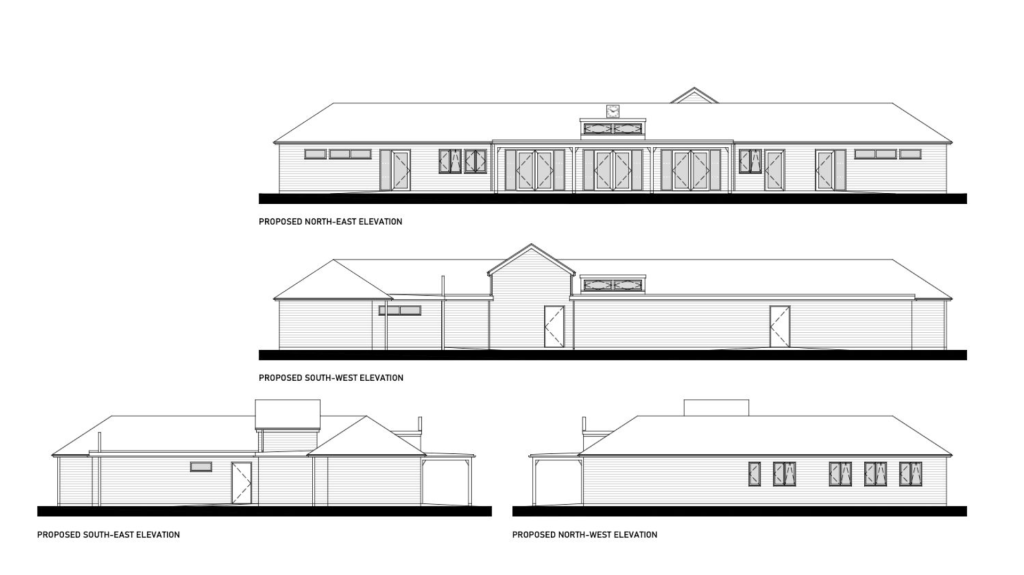
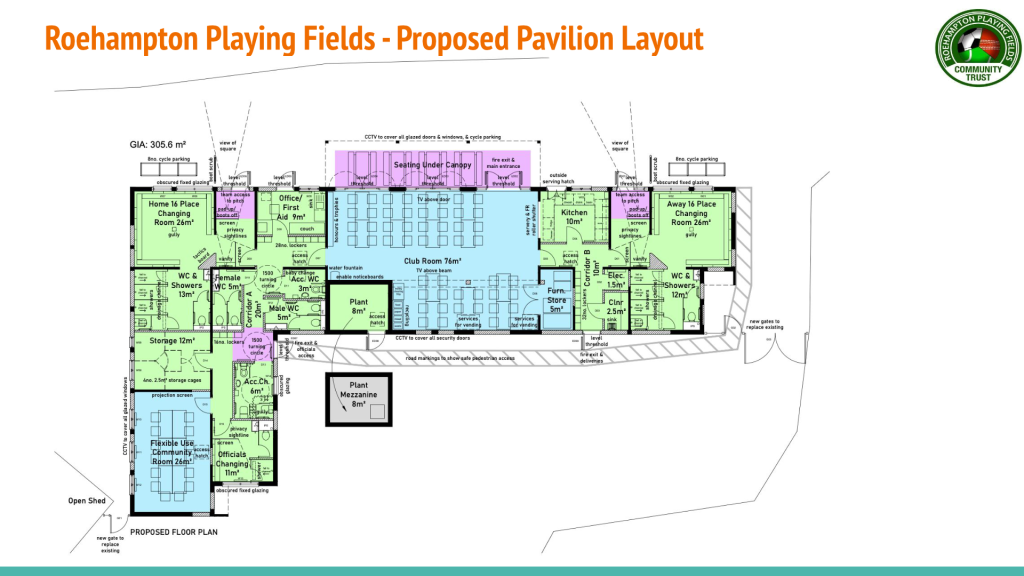
The £1.1 million renovation will preserve the pavilion’s external appearance within the Westmead conservation area while completely rebuilding the interior. Plans include two large changing rooms with direct pitch access, accessible changing and toilet facilities, a new kitchen with service hatches, and a main hall one and a half times the current size with stackable furniture for flexible use. Security upgrades include £120,000 in secured-by-design windows and doors, CCTV, and WiFi throughout.
Six weeks to make it happen
The trust has secured its £310,000 through resident donations (£180,000, with £80,000 of that raised in just five weeks since late December), council community infrastructure levy funding (£130,000), and applications to the Football Foundation (£537,000) and London Marathon Foundation (approximately £150,000). The contractor tender came in at £963,000, with professional fees bringing the total to £1.1 million.
If the March panel approves funding, construction would start between June and August with completion in time for Christmas. The site currently runs at a loss, though trustees have cut that significantly and aim to build a surplus to reinvest in community programmes.
The trust formed in January 2018 after community opposition prevented the commercial disposal of the playing fields. Dover House Lions FC had campaigned for ten years for a sustainable solution before the trust model was approved. The site now hosts football, cricket, tennis including wheelchair and para-standing formats, netball, rounders and lacrosse, with plans for disability football programmes, women’s referee courses, and activities like pilates and yoga.
“This is a hidden gem,” said Josh. “I do believe we can do so much more.”
Residents who want to support the campaign can donate through the trust’s website or through an online crowdfunder, or email info@roehamptonplayingfields.org. The trust is also seeking business sponsorship. With six weeks until the March panel decision, trustees say every donation strengthens the case. “We’re expecting it’s going to be too big to fail,” said Scott.