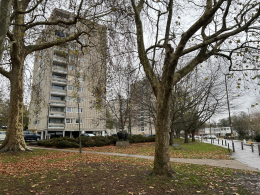
Wandsworth Council pushed hard for residents of the Alton Estate to back its regeneration proposals. It held public meetings, distributed glossy brochures, and promised a transformation of the area. In October, it got what it wanted: 82.4 per cent of those eligible that voted said yes.
Six weeks later, the first Cabinet paper since that ballot reveals the scheme will cost a third more than residents were told.
The numbers are stark. Before the ballot, residents were presented with a scheme costing approximately £123 million. The paper published on 1st December 2025 – just weeks after the votes were counted – puts the cost at £163 million. That is an increase of more than £40 million, or 33 per cent.
Every major element has risen. The Community Hub Civic Building: up 45 per cent, from £11.7 million to £17 million. The Portswood Place family hub: up 77 per cent, from £11 million to £19.5 million. Housing costs: up 27 per cent, from around £100 million to £127 million.
A funding gap that grew five-fold
The funding model has changed beyond recognition.
Before the ballot, residents were told the scheme needed around £16 million in grant funding from the Mayor of London’s Affordable Homes Programme to bridge the gap. That was presented as manageable; a top-up to make the numbers work.
The new paper assumes GLA grant funding of £77 million. That is nearly five times the figure voters were given and more than half of the overall costs. And none of it has been secured – the Council says it will not even submit a bid until 2026.
If the money doesn’t come through, the paper offers only vague reassurance: “An alternative funding model will be developed.” No detail. No plan B. Just a promise to think of something later.
Did residents vote on accurate information?
The ballot was not optional for the Council. Under GLA rules, estate regeneration schemes require resident approval before they can receive affordable housing grant. The Council needed a yes vote to unlock the funding pipeline.
Residents were asked to approve a specific set of proposals – the “Landlord Offer” – which included the design, the number of homes, the tenure mix, and the financial basis of the scheme. They were told the scheme was viable with £16 million in external support.
Now, barely a month after the votes were counted, the Council reveals the scheme actually requires £77 million in external support – funding it does not have and has not applied for.
The small print defence
The Council will point to caveats in the pre-ballot paper. It did note that “changes to the building specifications and construction inflation were expected to increase this cost.” It promised to update Cabinet with revised figures.
But there is a difference between flagging that costs might rise and presenting voters with figures that turn out to be a third lower than the true cost. A caveat buried in a Cabinet paper is not the same as giving residents honest numbers on which to base a decision about the future of their homes.
The Council celebrated its ballot victory. It spoke of resident support and democratic legitimacy. But legitimacy depends on honesty. If you ask people to vote on one scheme and then deliver another, the mandate is hollow.