

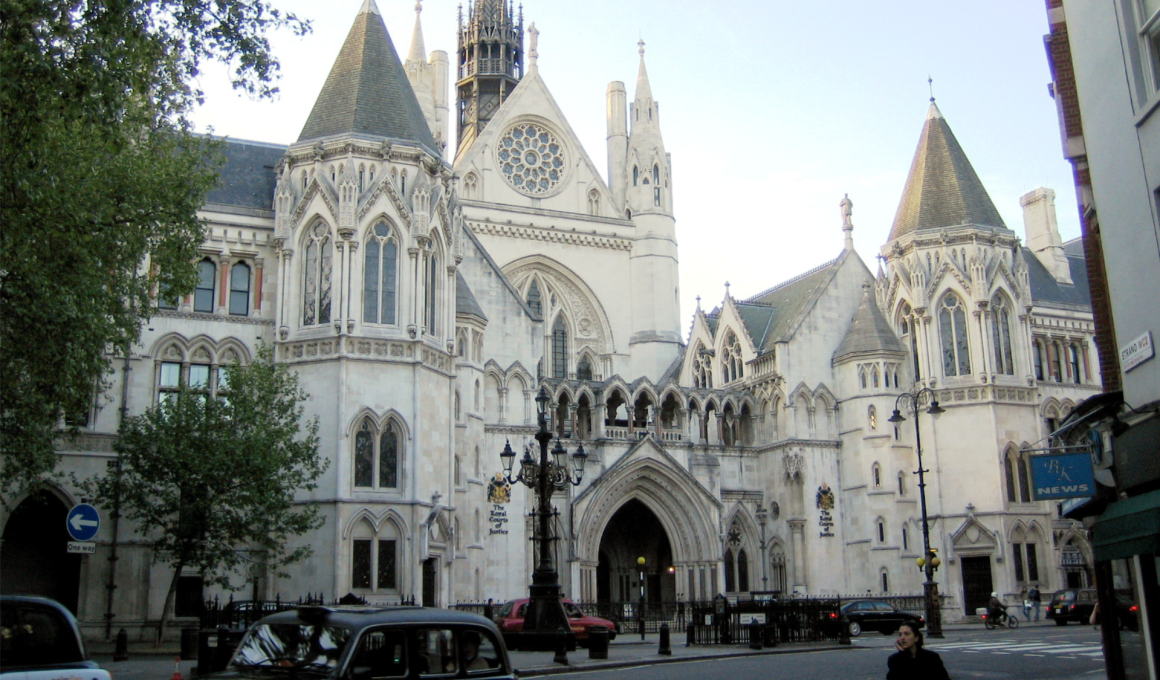
Wandsworth Council has won a Court of Appeal case allowing them to evict an autistic man from temporary accommodation – because he didn’t challenge their decision within 21 days.
Jerome Young, who has autism spectrum disorder, has been living in council temporary accommodation since October 2019 when Wandsworth accepted they had a legal duty to house him.
After a series of letters and deadlines in 2020, the council has now won the right to evict him based on his failure to request a review within the statutory timeframe.
The Court of Appeal ruled on Monday that even though Mr Young has autism – a disability that can make understanding official letters and meeting deadlines extremely difficult – the council was within its rights to end support because he hadn’t filed the right paperwork at the right time.
The case will have cost thousands of pounds in legal fees – typical Court of Appeal cases cost councils between £50,000 and £75,000. The council has not revealed the costs in this case.
What happened in 2020
In March 2020, the council offered Mr Young a permanent flat at 25 Diprose Lodge. He signed the tenancy agreement, but his solicitor raised concerns about whether the accommodation was suitable for someone with his disabilities.
The council reviewed this in July 2020 and decided the flat was suitable. They told Mr Young he had 21 days to appeal to the County Court if he disagreed.
What the letter didn’t clearly explain was that by accepting and signing for the flat, their legal duty to house him had already ended automatically – and that this was a separate decision he could also challenge within 21 days.
For someone with autism, understanding the difference between these two issues – and knowing he needed to challenge both separately – could be extremely difficult even with legal support.
Mr Young never made the second challenge within the deadline.
This isn’t about rent payments – it’s about legal protection. While the main housing duty was in place, if Jerome’s accommodation fell through, the council had to house him somewhere else.
Once he accepted the Diprose Lodge flat, that legal safety net vanished. The bitter irony: the council successfully argued their duty ended because Jerome had permanent housing – yet five years later he’s apparently still in temporary accommodation.
The flat that was supposed to solve his homelessness never became his actual home, but because he didn’t challenge the duty ending within 21 days in 2020, the court says it’s too late to argue about it now.
The legal argument
When the council moved to evict Mr Young from his temporary accommodation – the exact timing isn’t clear from court documents – his lawyers argued this was deeply unfair.
Here’s what makes this so striking: Mr Young has been living in this temporary accommodation continuously since 2019. The council has been paying for it all this time. Yet they’re now arguing they have no legal duty to house him because that duty ended back in 2020 when he accepted the Diprose Lodge flat – a flat he apparently never moved into.
Mr Young’s lawyers argued the council had never clearly told him their housing duty had ended in 2020, or explained he had just 21 days to challenge that specific decision. How could he appeal a deadline he didn’t know existed?
By the time this reached the Court of Appeal, Mr Young needed the Official Solicitor to represent him – a court-appointed representative for people who cannot manage their own legal cases. This raises serious questions about whether he could realistically have understood and responded to complex legal letters back in 2020.
The council may argue they were following statutory requirements that apply equally to all residents. Mr Young did have legal representation through his solicitor when challenging the accommodation’s suitability in 2020, suggesting he had some professional support at that time.
Three Court of Appeal judges sided with the council. Lord Justice Newey ruled that once someone accepts permanent accommodation, the council’s duty automatically ends. The council doesn’t have to spell this out. And if you don’t challenge decisions within 21 days, you lose the right to complain – regardless of personal circumstances.
The cost of winning
While the exact legal costs aren’t confirmed, Court of Appeal cases typically cost councils tens of thousands in legal fees. This is taxpayer money from budgets that could be used to prevent homelessness or provide support services.
The council has also been paying for Mr Young’s temporary accommodation since 2019. The court report doesn’t clarify why Mr Young remained in temporary accommodation rather than the Diprose Lodge flat he was offered.
If evicted, Mr Young would become homeless and could reapply for help – but nothing is guaranteed. The council would reassess everything from scratch: his eligibility, whether his autism makes him vulnerable enough to have ‘priority need’, and crucially, whether he made himself homeless intentionally.
If they decide he became homeless on purpose – perhaps by not moving into Diprose Lodge in 2020 or losing this accommodation – they could refuse to help him entirely. This would be particularly harsh for someone who needed the Official Solicitor to navigate court proceedings.
The irony is stark: after years and tens of thousands in legal costs to end their duty to house him, the council might find themselves legally required to house him again anyway.
Putney.news contacted Wandsworth Council and asked:
- Why they pursued this case against a vulnerable resident
- What it cost in legal fees
- Whether they made any allowances for Mr Young’s disability when communicating with him in 2020
- Whether they would consider Mr Young’s vulnerability before enforcing eviction
The council has not responded 24 hours later.
A wider problem
People with autism are massively overrepresented among the homeless. While only 1-2% of the general population is autistic, between 12% and 19% of homeless people have autism – a crisis that remains largely invisible.
The very things the housing system requires – understanding complex letters, meeting strict deadlines, making phone calls, navigating bureaucracy – are exactly what many autistic people find most difficult.
Housing law experts say this case highlights a systematic problem: the system assumes everyone can understand and respond to official letters within tight timeframes. When councils rigidly enforce these rules against people whose disabilities may prevent them from meeting these requirements, it raises questions about accessibility and fairness.
The case also raises questions about how councils use their resources. The money and resources spent pursuing this case could have used to resolve this person’s housing situation.
What happens next
Mr Young’s lawyers may seek permission to appeal to the Supreme Court.
Meanwhile, other councils will be watching this case closely. The Court of Appeal has confirmed they can enforce strict deadlines even when someone’s disability may have prevented them from meeting those deadlines – as long as the statutory procedures were followed.
For Mr Young, who has been in temporary accommodation for five years, the future is uncertain. The council that accepted a duty to house him in 2019 has now won the right to evict him – not because he doesn’t need help, but because he didn’t challenge their decision in the right way at the right time.
Putney.news contacted Wandsworth Council’s press office, housing department, Council Leader Simon Hogg, and the Cabinet Member for Housing with detailed questions about this case — including whether the council plans to evict Mr Young immediately and what reasonable adjustments were made for his autism. No response had been received by the time of publication.


Why does this not surprise me , when I got offered my permanent accommodation we had no choice not to take it as we was told if we didn’t take it we can’t approach any council within 2 years and was never told we could appeal it !! Now I am living in a property which is a struggle everyday and the council don’t care