A Roehampton corner shop owner’s explanations for employing an illegal worker and failing to pay a £40,000 fine faced scepticism from councillors and immigration officials at a licensing hearing last night.
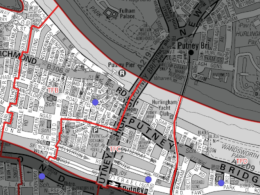
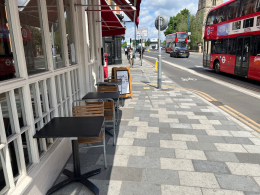
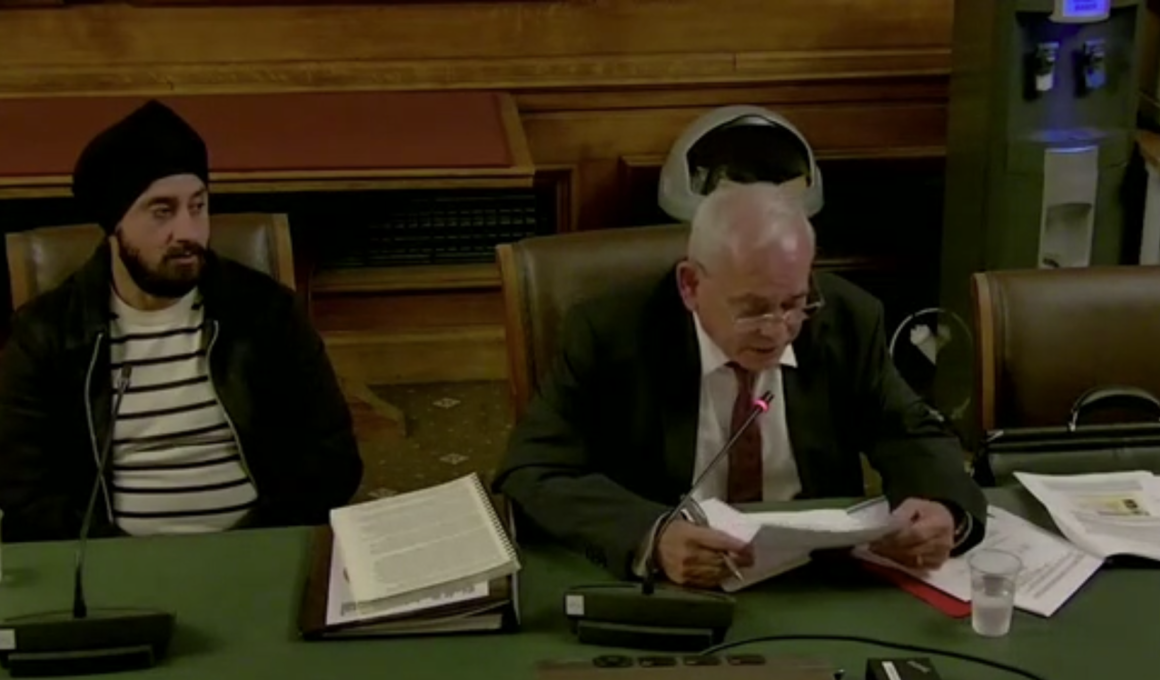
Jasbir Singh Kapoor, who runs Londis at 1-4 Aubyn Square, appeared before Wandsworth Council’s Licensing Sub-Committee to contest Home Office attempts to revoke his premises licence following the discovery of an illegal worker last October.
The hearing revealed a series of contradictions between accounts given by Kapoor and the worker during the original immigration enforcement visit on 30 October 2024.
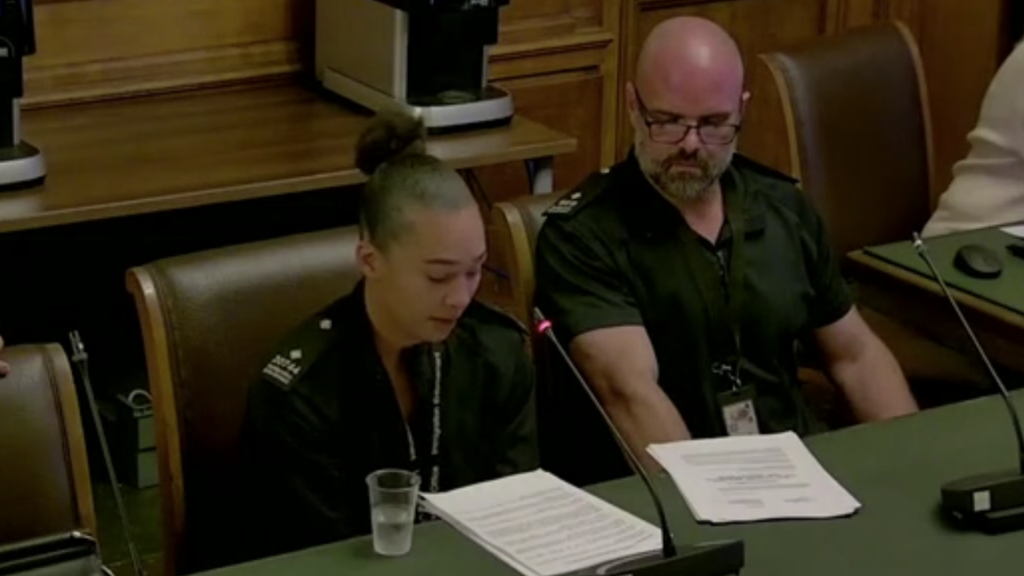
Immigration Officer Cleo Cassius told the committee that Kapoor claimed the worker was on a one-month trial, working 20 hours per week, and hadn’t been paid. But the worker told officers he’d worked at the shop for four months, averaging 40 hours weekly, and received £400 in cash.
At Tuesday’s hearing, Kapoor offered a third version – claiming he’d paid the worker £400 cash for training, then £1,000 by bank transfer.
“In the interview, you said that you hadn’t paid him yet,” Cassius pointed out. The discrepancy wasn’t resolved.
Kapoor’s representative, Mr Panchal, insisted his client had been “quite honest” but acknowledged Kapoor “became very nervous, maybe at the interview and maybe the questions are hard.”
The missing letters
The most contentious issue centred on why Kapoor took nearly a year to begin paying the £40,000 civil penalty – only making an £8,000 payment last week, days before the hearing.
Kapoor claimed he never received notification of the fine because letters went to his accountant’s address, where his company Jivi Kapoor Limited is registered. He said he only learned of the debt “one month ago” when his accountant forwarded the final letter.
“I received the green letter,” Kapoor explained, referring to initial correspondence. “They say Mr Kapoor, you are not guilty, but your company is guilty.” He insisted that if he’d known about the £28,000 early payment discount, “why should I take 40,000 rather than I can pay 28,000?”
Immigration officials pushed back firmly. “Any correspondence that does get posted out from the Home Office to any address will go first class recorded delivery signed for,” Sharp said. “So we would have proof that it was received.”
Councillor Sarmila Varatharaj asked Kapoor directly: “You thought it would be fine, even though you had been employing someone illegally, you didn’t think there would be any punishment?”
Never heard of this before
Perhaps most striking was the revelation that the case only reached the council because of the unpaid fine. Immigration Officer Sharp told councillors this was unprecedented in his experience.
“This is the first instance that I know of where a debt hasn’t been attempted to be paid, and it has been sold onto a debt collection company,” he said. “I’ve never heard of this happening before.”
When Councillor Varatharaj asked whether the hearing would be happening if the fine had been paid, Sharp confirmed: “If some sort of payments had been made on a regular basis, showing a willing that he had made mistakes and was trying to address the issue, then the license review wouldn’t have been recommended, I don’t think.”
The £40,000 penalty remains largely unpaid, with £32,000 outstanding. The debt has been referred to collection agents.
The checks that weren’t done
Officers explained that the worker’s student visa – which Kapoor admitted seeing – had been cancelled in January 2024, nine months before he was employed. A simple check using the free Home Office online system would have revealed this immediately.
“Had Kapoor conducted the relevant right to work checks, he could have quickly established [the worker’s] leave was curtailed and that he had no longer had the right to work in the UK,” Cassius said.
Kapoor’s explanation for the working patterns also raised eyebrows. When asked what days the worker was at the shop, he said: “When I need it… sometimes he’s coming in the morning… sometime he’s coming when I needed… normally come in the evening time.”
For someone supposedly on a structured 20-hour-per-week trial, the arrangement sounded notably flexible.
The defence
Panchal argued his client had learned from his mistakes and implemented new procedures, including staff training, a refusal register, and right-to-work checklists. He presented these documents to the committee.
“This was an isolated incident, not reflective of the day-to-day running of the business,” Panchal said, noting the shop has operated since 2005 with no previous licensing issues. “It is a repercussion with the family. If he has to lose the license today, the family would have a big [impact] because this is the income from the shop.”
He proposed additional licence conditions and suggested a short suspension rather than revocation would be “proportionate.”
But Cassius wasn’t convinced. “All the remedial action that he’s looking to impose is what he should have been doing legally in the first place,” she said, adding that the Home Office had “no confidence in the license holder upholding the licensing objectives going forward.”
The committee retired to make its decision in private session. A written determination, including reasons and any appeal rights, will be issued within five working days.