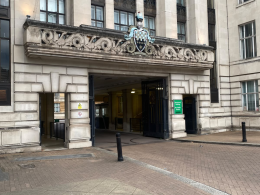
The night buses of London became a homeless woman’s bedroom while Wandsworth Council sat on her case, despite having all the evidence needed to house her immediately.
A damning ombudsman report has exposed how the borough’s housing department failed a vulnerable woman who should have been given emergency accommodation from July 2024 but was left sleeping rough until September.
Miss X is a domestic abuse survivor with serious medical conditions requiring major surgery. She approached Wandsworth Council in May 2024 when her friend could no longer accommodate her. What followed was three months of bureaucratic failure that left her sofa-surfing and sleeping on public transport.
By early July, Miss X had explicitly told the council she was homeless and “rough sleeping on buses and sofa surfing.” She couldn’t schedule essential surgery because she had nowhere to recover. Her advisor had provided comprehensive medical documentation showing depression and anxiety following domestic abuse, alongside other serious health conditions.
The council’s response? Send more medical evidence.
This wasn’t just box-ticking – it was a fundamental misunderstanding of the law. The legal standard for providing interim accommodation is deliberately low: councils must act as soon as they have “reason to believe” someone might be homeless, eligible and in priority need.
The council had already arranged a vulnerability assessment and referred her case to medical advisors – clear evidence they suspected she met the threshold. Yet Miss X remained on the streets.
A pattern of institutional failure
This case follows another devastating ombudsman ruling against Wandsworth Council just weeks ago, where the authority failed a care home resident who died after months of neglect. In that case, council officials literally sat in mute silence during crucial safeguarding meetings.
The housing case reveals similar dysfunction. Miss X’s case officer disappeared for weeks without contact, prompting a July apology that they “had not been in touch since May” due to annual leave. Even after accepting a prevention duty in July, the council failed to provide the legally required housing plan until months later.
Miss X was forced to delay essential medical treatment because she had nowhere safe to recover. For someone already dealing with domestic abuse trauma, the psychological impact of months without secure housing cannot be overstated.
When the council finally provided interim accommodation in September, it claimed this was triggered by Miss X disclosing domestic abuse. But the authority had known about her abuse history since July from medical documents her advisor provided.
The Ombudsman’s verdict
The watchdog was unequivocal: “The Council had a duty to provide Miss X with interim accommodation from July onwards. Its failure to do so caused Miss X a significant injustice as she had nowhere suitable to stay.”
The ombudsman ordered Wandsworth Council to pay Miss X £700 compensation for the months spent sofa surfing and sleeping on public transport, plus issue written reminders to officers about their legal duties.
This case exposes how Wandsworth Council’s housing system appears designed to exhaust those most in need. Rather than erring on the side of compassion when dealing with a domestic abuse survivor with serious health conditions, the authority chose bureaucratic defensiveness over basic human decency.
For a council that prides itself on efficient service delivery, this represents an institutional failing that goes beyond administrative error – it reveals a fundamental breakdown in the duty of care owed to the borough’s most vulnerable residents.
Wandsworth Council said it regrets the delays and has taken internal measures to prevent similar cases, adding that it has apologised and paid the full compensation ordered by the ombudsman.
This case was first reported by Local Democray Reporter Charlotte Lilywhite.