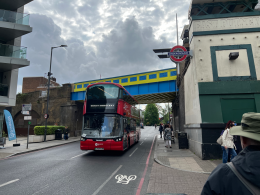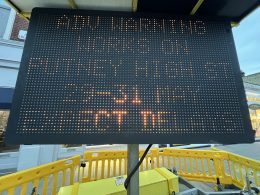
Putney’s struggling bus network is facing a new blow as hundreds of drivers vote on whether to stage a walkout next month — a move that could bring local services to a standstill during one of the busiest weekends of the year.
The looming strike would affect several major routes through Putney and Roehampton, including the 85 (Putney Bridge–Kingston), 220 (Willesden–Wandsworth), and 419 (Richmond–Roehampton) — as well as the K3, N33, and N72 night services. All are run by London United or London Transit, which together operate around 90 routes from eight garages across South and West London.
The ballot, organised by Unite, opened on Wednesday and closes on 11 August — just weeks before the August bank holiday and Notting Hill Carnival, when demand for buses typically surges. If drivers vote to strike, action could begin as early as Monday 25 August, hitting passengers in some of London’s most poorly served neighbourhoods.
And nowhere is that felt more sharply than in Putney, where buses are already crawling — or not showing up at all.
Putney buses among London’s most complained about
Earlier this month, we reported that three of London’s five worst-rated bus routes — the 14, 265 and 93 — serve Putney. The 14, running from Putney Heath to Russell Square, was the second most complained-about route in London last year, averaging just 5.3mph during rush hour. The 265, dubbed the “ghost bus” by passengers, and the 93 to North Cheam were not far behind.
Between them, these routes attracted over 1,000 formal complaints in the past year alone. Across Putney, complaints about bus services have risen 63% in three years, with residents describing delays as “chronic and systemic”. Passengers report buses vanishing from live trackers, skipping stops, or terminating mid-route without warning — experiences often missed in official performance data.
TfL’s own dashboards suggest 95% reliability, but as previously reported, the metrics used ignore journeys cut short or diverted, giving a distorted picture of day-to-day service quality.
Now, just as pressure builds, drivers may walk out
The latest disruption centres on a pay dispute between drivers and their new employer, First Bus, which took over London United from French firm RATP earlier this year. Unite says drivers were promised a pay increase from December 2023 — but key parts of the offer haven’t been backdated. The union claims some staff stand to lose up to £2,500 in back pay.
There are also disputes over shift premiums, scheduling agreements and attempts to move pay anniversary dates, which Unite says are being used to undermine negotiation.
Unite general secretary Sharon Graham said:
“This is underhand and disgraceful behaviour from a company making millions off London bus passengers. To try and refuse to pay money owed since December shows an utter lack of respect for its workers and the hard work they do day in, day out.”
Unite regional officer Callum Rochford added: “Workers can see through these tactics and won’t stand for them. London United and London Transit need to come back to the table, pay what’s right and end this dispute now before they ruin Carnival.”
Putney and Roehampton services are among the most likely to be hit, as the strike would affect buses operating out of Fulwell, Tolworth, Hounslow, Stamford Brook, and Park Royal garages — all of which feed into Wandsworth borough.
A wider wave of ballots
While the main London United drivers’ ballot closes on 22 July, additional ballots are running across other staff groups — including engineers and drivers at London Transit’s Westbourne Park garage. Some ballots close in late July, others in early August, but Unite says a coordinated strike could still be timed to cause maximum disruption during the carnival weekend.
TfL has not yet commented on contingency plans. But for Putney passengers already fed up with disappearing buses and long waits, the message is clear: things may soon get worse before they get better.