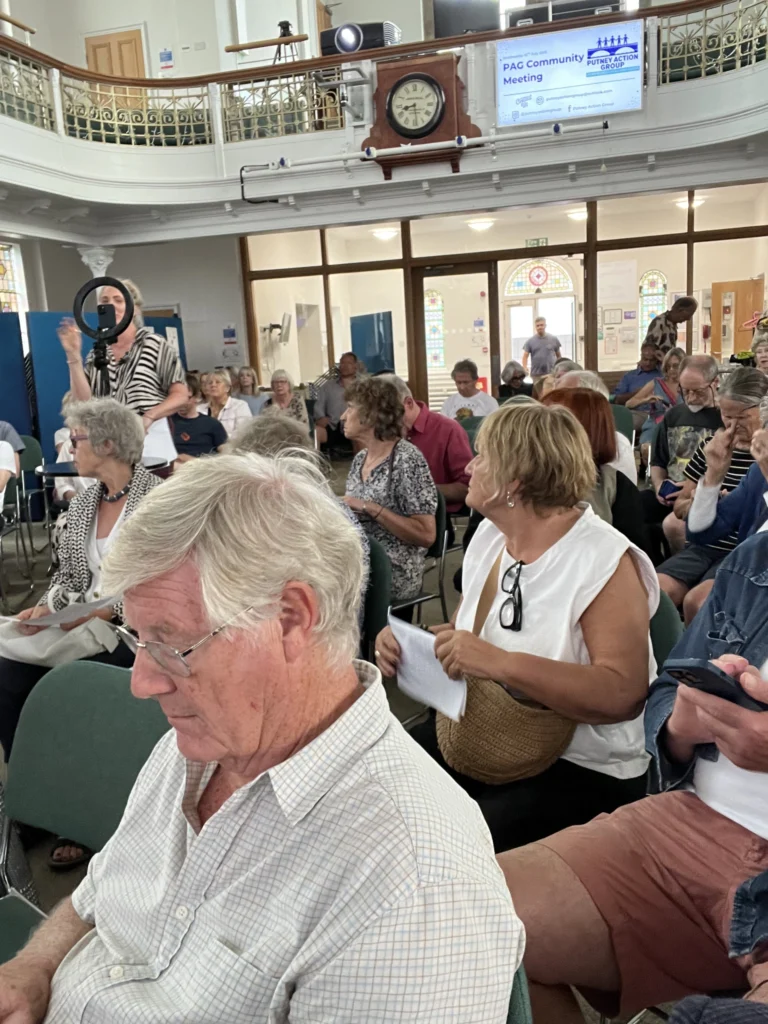
A surge of frustration and determination filled the Community Church on Werter Road last night, as residents gathered for the first public meeting of the Putney Action Group (PAG) — a new community initiative formed in response to worsening traffic, pollution, and safety concerns in the area.
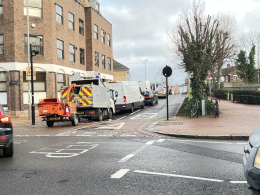
Although a wide range of issues were raised, from noise and air quality to pedestrian safety and the state of the High Street, discussion kept returning to one thing: the junction of Putney High Street, Lower Richmond Road and Putney Bridge Road — widely condemned as a planning failure that has brought the town to a standstill.
Over 50 residents attended in person, and organisers reported that over 800 people had filled in the group’s online survey. Presented on the night, the survey revealed [pdf] that traffic congestion, rat runs, dangerous cycling conditions and air pollution were top concerns for nearly every respondent.
“It’s Not Working”
The meeting opened with a review of the survey data and a clear message: local people feel that the current layout is harming their lives — and that neither Wandsworth Council nor TfL are doing anything about it.
“Everyone I speak to, everyone I know who lives in Putney says the same thing: this is not working,” said one speaker. “This is a disaster.”
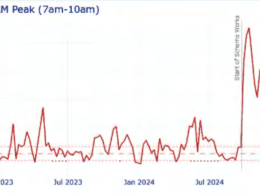
The redesigned junction, introduced earlier this year as part of wider changes to encourage walking and cycling, has instead created gridlock. Residents described buses stuck in long tailbacks, delivery vans clogging side streets, and cyclists riding on pavements because they no longer feel safe in the road.
Quiet residential roads such as Felsham, Disraeli and Carlton Drive have become rat runs. One long-term resident said they now hear traffic noise late into the night, and another described being “trapped” in her home by jams and diverted vehicles.
There were also broader concerns: elderly residents unable to access buses, parents afraid to let their children cycle, and widespread agreement that the High Street has become an uninviting and unhealthy place to visit. The collective impact has been a town centre that many now avoid.
“People say to me, ‘we don’t come to Putney anymore’. They say it’s too difficult,” said one woman. “I’m thinking of moving. I can’t take it anymore.”
Misguided Plans and Missed Opportunities
The group heard that several design alternatives had been proposed during the planning phase, but that TfL vetoed them — preferring a layout that would keep buses flowing but, residents say, ultimately made things worse for everyone.
Though the scheme was supposed to support active travel, the reality, residents argued, is that congestion and conflict have increased. Some cyclists expressed regret that the cycle lanes had not made them feel any safer, and said they too wanted a rethink.
“I cycle less because I now have a daughter. I don’t feel safe on the very congested roads… she’s only four years old,” one parent explained.
The failure to deliver real improvements — despite major works — left attendees questioning both the competence and priorities of those in charge. Several had previously attended a public meeting hosted by local MP Fleur Anderson and reported that “everyone in the room said the same thing — it’s not working.”
The Legal Route
Among the most striking developments of the night was a proposal to explore a legal challenge. A local lawyer pointed to a successful judicial review in Dulwich, where residents overturned a road scheme on the grounds that it failed to meet statutory consultation duties and made traffic worse, not better.
Attendees responded positively, calling for a review of the promises made, the data used to justify the changes, and whether Wandsworth Council or TfL may have breached their obligations under the Traffic Management Act 2004.
“We need to look at what the council promised, what they delivered, and whether they broke the rules,” said one speaker. “Because this cannot stay the way it is.”
There was also a call for volunteers with legal, transport or policy expertise to help build a community case. Others floated ideas for traffic analysis, data requests, and direct lobbying of decision-makers.
Divided on Solutions, United on the Problem
Though not everyone agreed on the best way forward — with some debating the long-term role of cars or whether pollution had truly worsened — there was total consensus on one thing: the current layout is making life in Putney worse, and official inaction is no longer acceptable.
The continued closure of Hammersmith Bridge was also repeatedly mentioned as a compounding factor, but residents were clear that the problems in Putney itself stemmed from local decisions.
“The bridge is part of the problem, but it’s not the whole problem,” one speaker said. “What they’ve done to our roads is what tipped it over.”
A Community Organising for Change
Organisers closed the meeting by inviting further survey responses before the 31 July deadline, and committed to publishing a full report and set of recommendations shortly after. They also promised to explore legal routes, policy engagement, and further public meetings to maintain pressure on those in power.
The meeting ended on a note of resolve.
“This isn’t just moaning,” said one speaker. “This is the start of something.”