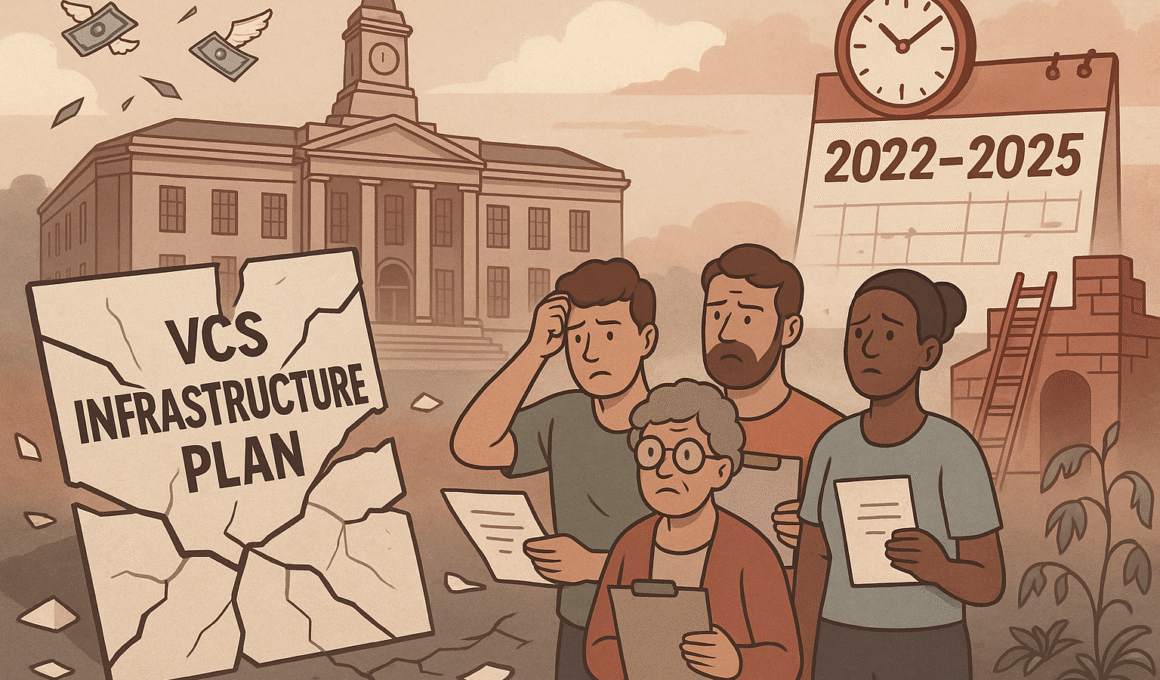
Wandsworth Council’s highly publicised plan to overhaul support for local charities and community groups has collapsed after the council failed to find a provider to run its new infrastructure support service — despite years of consultation, planning and co-design.
The borough’s voluntary and community sector (VCS) — which includes hundreds of grassroots organisations working with residents across Wandsworth — has been left in limbo after the council confirmed this month that its long-awaited commissioning process had “unfortunately” ended without success.
The news is a serious blow to the council’s credibility and a stark setback for one of its flagship social strategies. After more than 18 months of needs assessments, partnership events, strategy drafting and tender exercises — backed by political promises and new investment — the council now has no new service, no clear timeline, and no public explanation for what went wrong.
Putney.news has asked the council for clarification.
A decade in the making
The decision to reform how Wandsworth supports its voluntary sector came after years of neglect and underinvestment. Historically, the borough has lacked a single umbrella CVS (Council for Voluntary Service) organisation — unlike most other London boroughs — leading to what officials themselves described as a “patchwork” of local provision.
Under Conservative administrations, Wandsworth opted against centralising infrastructure support. Instead, it funded different groups to meet specific needs. Wandsworth Care Alliance (WCA), for instance, took on a borough-wide coordination role — particularly in health and wellbeing. Katherine Low Settlement and Citizens Advice ran locally focused programmes in Battersea and Roehampton. And the Wandsworth Community Empowerment Network (WCEN) fostered long-term relationships with faith groups and marginalised communities.
While this decentralised approach allowed for some tailored and trusted work, it also led to major inconsistencies. A 2023 review found areas like Roehampton were left isolated, and that smaller charities often struggled to access training, guidance, or funding advice. The Greater London Authority even categorised Wandsworth as a “cold spot” for civil society infrastructure.
A Labour reset
When Labour took control of Wandsworth Council in 2022, it promised to change that.
Under Deputy Leader Kemi Akinola — herself a former charity CEO — the new administration set out to build a more coherent, inclusive and strategic support system for the borough’s VCS. “Before 2022, the voluntary sector had no relationship with the council,” she told councillors earlier this year. “Now in 2025, we are actively listening to them, we’re investing in them, and we’re working alongside them.”
To that end, the council commissioned Rocket Science to conduct an in-depth needs analysis [pdf]. Hundreds of local organisations participated in interviews, surveys and consultation events. A new five-year strategy [pdf] — the first of its kind in Wandsworth — was co-produced and launched in early 2025.
The strategy promised to strengthen infrastructure, improve access to funding, support volunteering, and ensure that local groups had a real voice in shaping public services. A new Infrastructure Support and Capacity Building Service was its centrepiece.
The long road to nowhere
Rather than impose a traditional model from above, the council committed to co-designing the new service “based on existing assets.” It was to be ambitious, inclusive, and locally rooted.
In autumn 2024, the council published a Prior Information Notice for a three-year contract worth up to £1.65 million — jointly funded with the South West London Integrated Care Board. A bidder day followed. Potential providers were encouraged to form consortia. Council officers suggested the final service could launch in July 2025.
Instead, the whole process has now fallen apart.
In a short statement issued in May, the council confirmed that the procurement “was, unfortunately, unsuccessful.” It gave no explanation for the failure — whether no bids were received, no bidder passed the evaluation, or the process fell apart during clarifications.
This silence has left many in the sector baffled.
Putney.news has contacted the council for details but has not yet received a response.
What went wrong?
While the council has not revealed the cause of the failure, sector observers have suggested several possible factors.
First, the scope of the contract was wide-ranging. It demanded borough-wide capacity-building, governance support, volunteer coordination, strategic partnerships and digital resources — all within a budget of roughly £330,000 per year. That may have been a stretch for any single organisation.
Second, the council appeared to favour local knowledge and relationships — potentially deterring larger external charities — but forming a local consortium takes time and trust, especially under formal procurement rules.
Third, the timeline was tight. With an expected start date of July 2025, bidders would have had just months to take over existing services like those run by WCA and to mobilise new teams. That may have made some organisations hesitant to take the risk.
And finally, despite the council’s inclusive rhetoric, the complexity of the tender specification may have been a barrier in itself. Balancing co-production values with procurement rigour is no easy task — and the failure to land this contract suggests the council may not have found the right balance.
A setback for Wandsworth — and its charities
The immediate consequence is that Wandsworth Care Alliance will continue to provide interim support to the sector. Its volunteer brokerage platform, sector forums and coordination role remain in place — for now. But it is not clear whether this will be formally extended, or how long it can continue without a new contract in place.
Longer term, the failure is an embarrassment for the council. It casts doubt on its ability to deliver on key policy promises — especially one so closely linked to Labour’s pledge to work “in partnership” with the community.
It also risks undermining trust just as that trust was being rebuilt. Charities that spent time contributing to the strategy, responding to consultations, and preparing to engage with a new service may now feel frustrated and fatigued. Smaller organisations — the very ones the strategy aimed to lift up — are left wondering when or if support will improve.
There is also the risk of reputational damage within the sector. After years of being told “this time will be different,” the end result, for now, is no result at all.
What happens next?
The council has said it remains committed to its VCS strategy and will look to ensure a “clear service offer is in place” using the agreed investment. But no new timeline has been published.
Options include re-tendering the contract with revised terms, developing a grant-funded consortium approach with local providers, or creating an in-house delivery model. All would take time — and all will require rebuilding momentum and confidence.
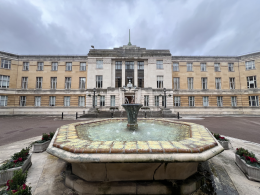
In the meantime, the VCS Hub at the Town Hall continues to offer desk space and meeting rooms to local groups. Networking events are being held. And council officers have promised to keep listening.
But the simple fact remains: after years of discussion and ambition, Wandsworth still has no dedicated infrastructure support service — and the voluntary sector is still waiting.
If you’re part of a local charity or community group affected by this development and want to share your perspective, please contact news@putney.news.