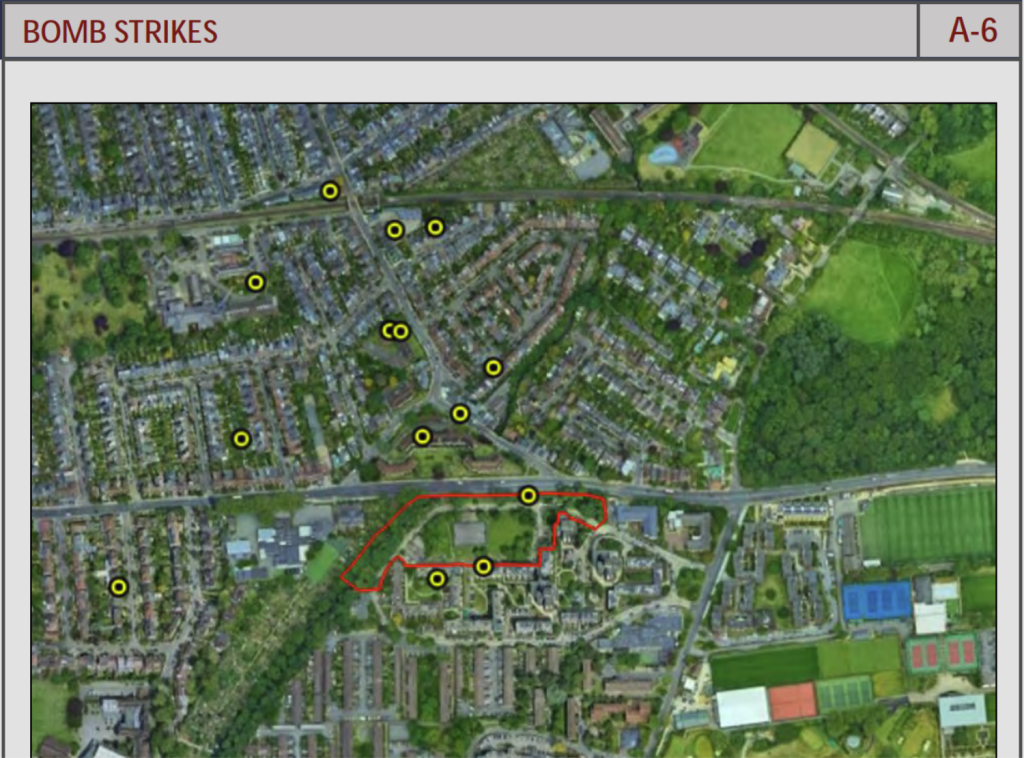
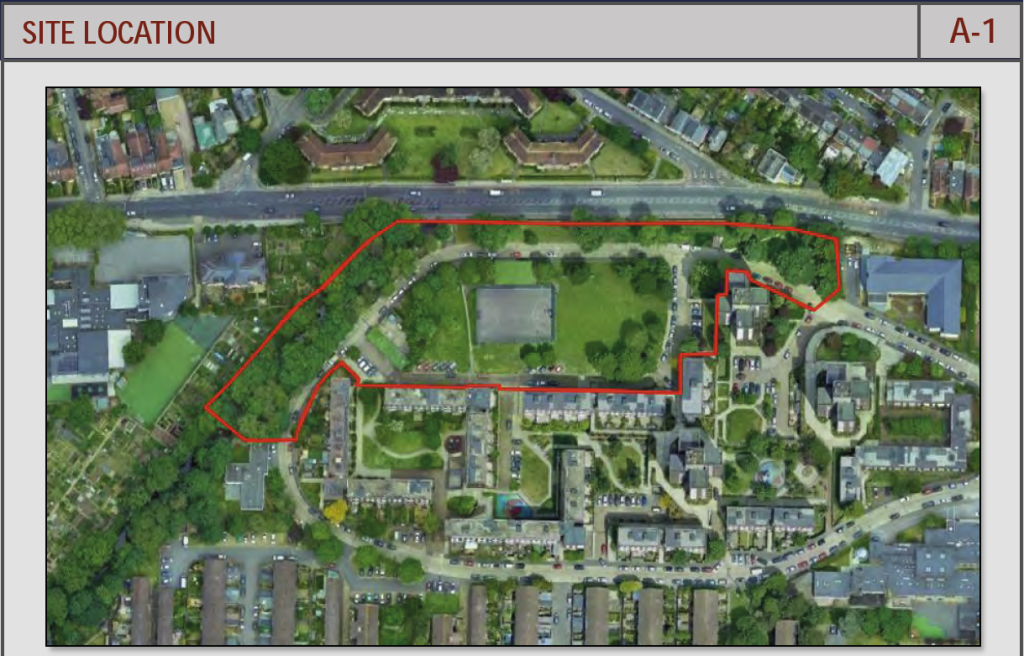
Wandsworth Council is planning 81 homes on a site classified as “medium risk” for unexploded WWII bombs. Two German bombs are recorded as striking the location during the war, and specialists warn that others likely fell without being noticed on what was then open ground.
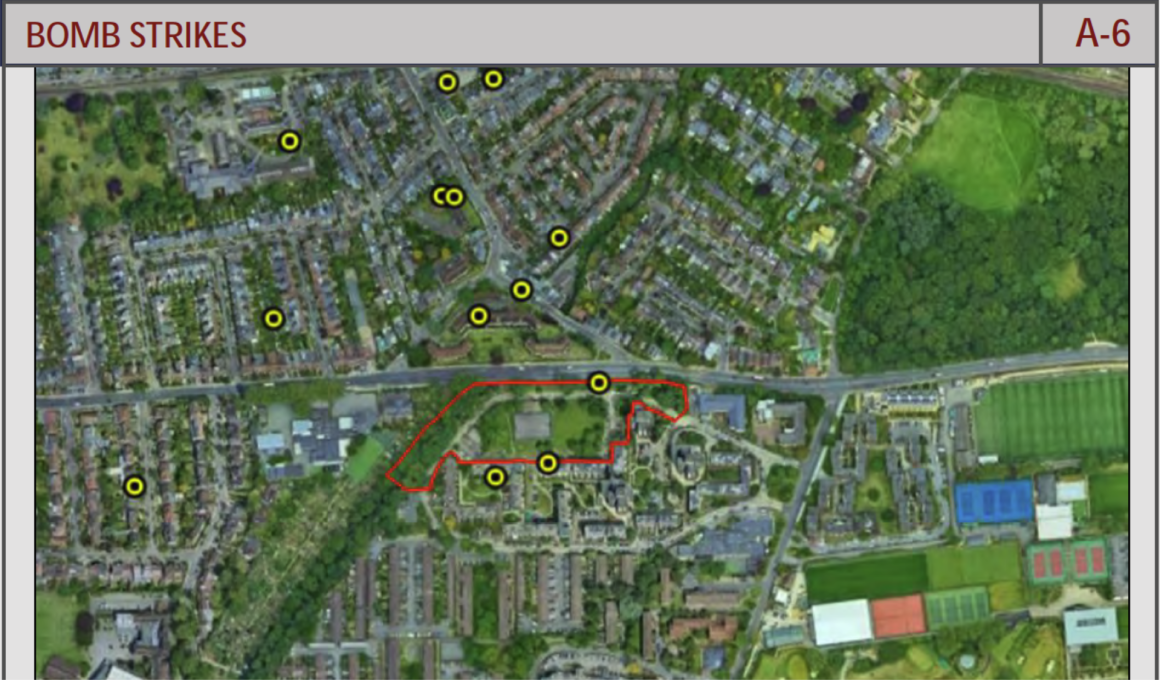
The specialist report [pdf] identifies exactly where they hit: one on the north border of the Lennox Estate development site, one on the south.
What makes a site “medium risk”? The specialists’ assessment shows Wandsworth took a hammering. The borough was hit by 1,437 high-explosive bombs, 124 V1 flying bombs, and six V2 rockets. That works out to 184 bombs per 1,000 acres.
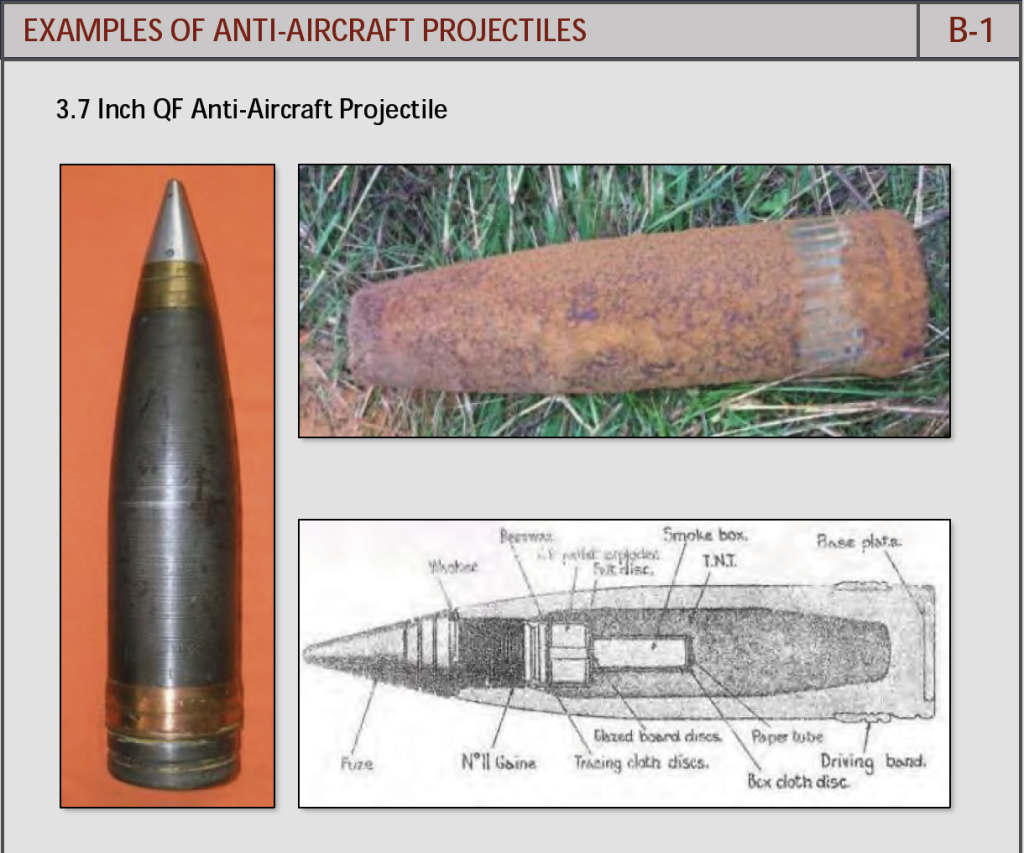
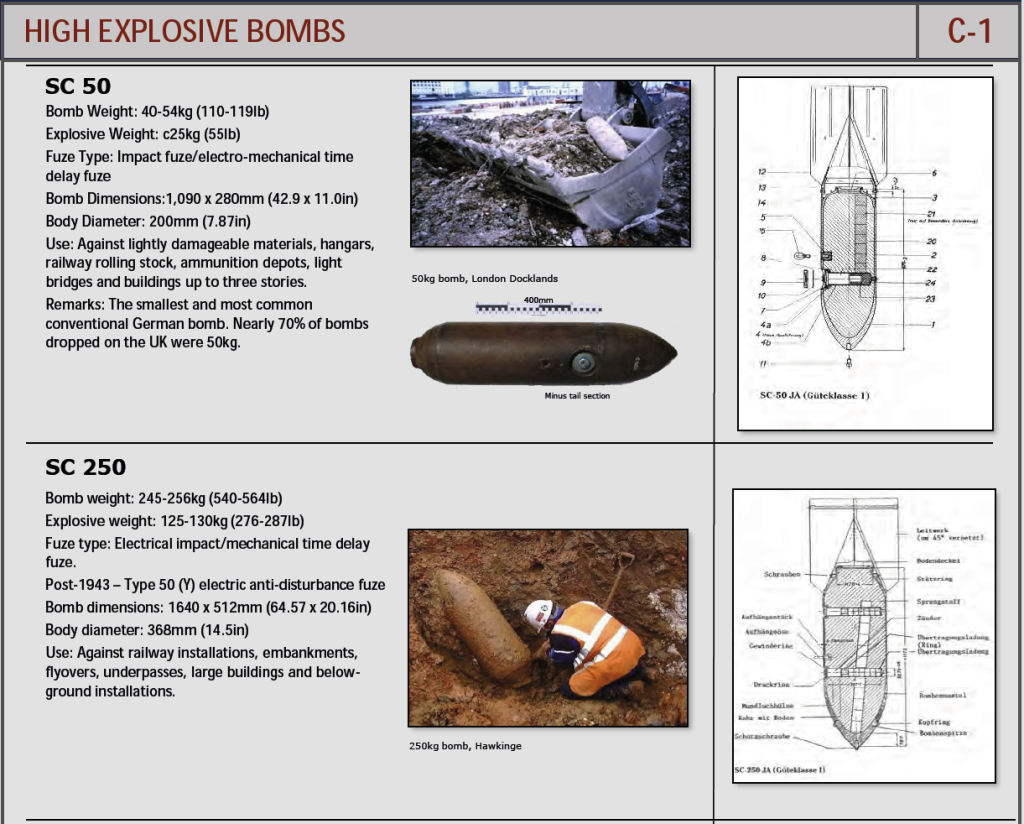
German high-explosive bombs of this type typically weighed between 50 and 500 kilograms and were 40-50% explosive. If they failed to detonate on impact, they penetrated deep into the ground, creating entry holes as small as 20 centimetres. On open land, those small holes would be easy to miss.
The land was open and undeveloped during the 1940s. The specialists’ report notes that “during any bombing raids the anticipated levels of access and observation will have dropped significantly and it is unlikely any bombs on the site will have been noticed and recorded.”
In plain English: there could well be unexploded bombs under the dig site.
The assessment warns that unexploded bombs “pose a significant risk” to any digging or excavation work. The specialists recommend multiple safety measures for medium-risk sites: awareness briefings for workers, an emergency response plan, explosive ordnance disposal engineers on call, and surveys using specialist detection equipment before any digging begins.
These recommendations follow construction industry guidance on managing bomb risks. It’s standard practice for developments on wartime sites.
Here’s what’s not standard: the 2019 assessment was prepared for small-scale preliminary work – boreholes and test pits. The current proposal is far bigger: demolishing existing buildings and constructing a 14-storey tower and a six-storey block. That means far more digging. The assessment is now more than six years old and doesn’t appear to have been updated for this larger development.
Wandsworth Council is both the applicant proposing this development and the authority that will decide whether to approve it. The council hasn’t publicly addressed the bomb risk in its consultation materials.
The development would provide 81 affordable homes for council rent on land currently used for community facilities and open space. Planning application 2025/4170 is under consultation until January 19, 2026.
What this actually means
Finding unexploded bombs isn’t rare in heavily bombed areas. London’s construction industry has established procedures: specialist surveys before digging, careful excavation, and bomb disposal teams on standby. The assessment doesn’t say bombs are definitely still buried at the Lennox Estate, just that the site’s wartime history creates enough risk to warrant these precautions.
The questions for residents and the planning committee: Has anyone actually done a survey to check whether there’s unexploded ordnance still buried there? Is a six-year-old assessment adequate for a development that’s grown much larger and will involve much more excavation? And what happens if workers hit something during the dig?
Under health and safety law, developers must identify and manage foreseeable risks, including unexploded bombs. The Construction (Design and Management) Regulations 2015 require clients and contractors to ensure risks are properly assessed and controlled.
That’s the legal minimum. Whether it’s actually happening is a different question.
Public consultation
Residents can comment on planning application 2025/4170 through Wandsworth Council’s planning portal until January 19, 2026. Comments should focus on material planning considerations like safety, construction management, and regulatory compliance.
Questions worth raising:
- What emergency response plan will be in place if ordnance is discovered during construction?
- Will the 2019 assessment be refreshed to reflect the current proposal’s larger scale?
- What specific safety measures from the specialist recommendations will be implemented?
- Will intrusive surveys with detection equipment be conducted before excavation begins?