

Thousands of hospital doctors across south west London walked out this morning in a new dispute over training places, prompting the health secretary to call the strike “self-indulgent, irresponsible and dangerous” as hospitals battle record flu levels.
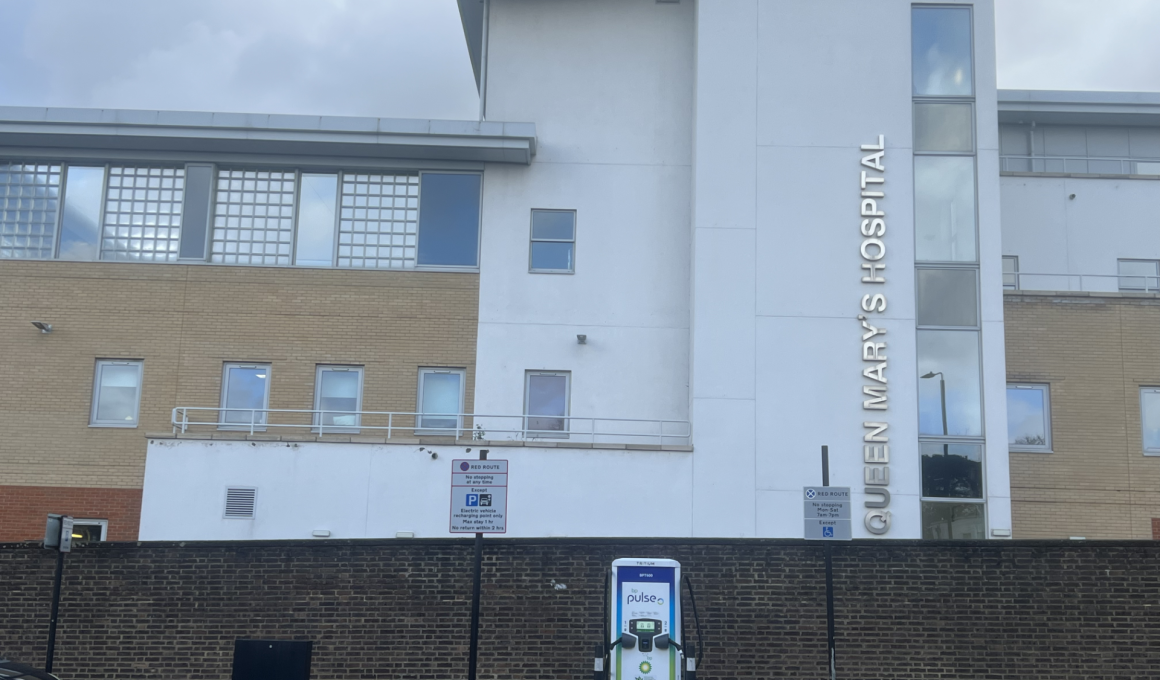
The five-day walkout, which began at 7am today and runs through Monday, affects St George’s Hospital in Tooting and Queen Mary’s Hospital in Roehampton. It marks the 14th strike by resident doctors since March 2023, though this dispute centres on career progression rather than pay.
We covered the previous strike in November, which was the final action in the long-running pay dispute that has since been settled.
The timing has drawn fierce criticism from across the political spectrum. With flu cases at record levels for this time of year and the NHS facing what Health Secretary Wes Streeting called “probably the worst pressure” since COVID, hospitals are scrambling to maintain emergency services while thousands of appointments face cancellation.
“These strikes are self-indulgent, irresponsible and dangerous,” Streeting said. “Abandoning your patients in their hour of greatest need goes against everything a career in medicine is meant to be about.”
Prime Minister Keir Starmer said he was “gutted” by the strike, rating his disappointment “10 out of 10” when questioned by MPs. “It’s irresponsible,” he said.
The walkout comes just three months after the previous pay dispute was settled with resident doctors receiving a 28.9% pay rise over three years from the Labour government.
The new dispute
This strike centres on specialty training places – the limited positions available for doctors to specialise in areas like surgery, psychiatry or emergency medicine after completing their initial two years as qualified doctors.
The government offered to quadruple specialty training places to 4,000 and bring 1,000 places forward for this year, along with emergency legislation to prioritise UK medical graduates. The package also included covering exam fees and other out-of-pocket expenses.
The British Medical Association rejected the offer after 83% of members who voted opposed it, based on a 65% turnout.
Dr Jack Fletcher, chairman of the BMA’s resident doctors committee, said the government had “fumbled” the negotiations. “Tens of thousands of frontline doctors have come together to say ‘no’ to what is clearly too little, too late,” he said.
The BMA claims the offer contained “no new jobs” but simply “cannibalised those jobs which already existed for the sake of ‘new’ jobs on paper.” The union says there was nothing on pay restoration, with doctors’ real-terms pay still 21% lower than in 2008-09 despite recent increases.
The government says the offer is now off the table following the rejection.
Flu pressure adds urgency
Official data published last week showed flu cases jumped 55% in one week to an average of 2,660 patients in hospital each day – a record level for this time of year. The new strain, influenza A (H3N2), has been dubbed “superflu” by some media.
NHS Providers, which represents hospital trusts, called the strike timing “bitterly disappointing” given the flu outbreak. Chief executive Daniel Elkeles said: “These strikes come at the worst possible time, with rapidly rising flu levels putting huge strain on hospitals.”
The BMA has accused Streeting of “scaremongering” about flu risks. Dr Fletcher said: “It is horrible for anyone to be suffering with flu, we are not diminishing the impact of that, but Mr Streeting should not be scaremongering the public into thinking that the NHS will not be able to look after them and their loved ones.”
The union has written to NHS trusts asking them to prioritise urgent and emergency care during the strikes.
Local impact
St George’s Hospital and Queen Mary’s Hospital are among hospitals across England affected by the walkout. Both facilities have confirmed some planned care – appointments, procedures and operations – may be postponed.
Patients will be contacted directly if appointments need rescheduling. Emergency care will continue as normal, with consultants and senior doctors covering for striking resident doctors.
The NHS is asking residents to use services wisely during the strike period. Call NHS 111 online for non-urgent health needs, continue to use 999 only for life-threatening emergencies, and attend appointments as planned unless contacted otherwise.
GP surgeries remain open as usual during the strike.
Public opinion shifts
Public support for the strikes has declined sharply since previous industrial action. A YouGov poll published this week showed 58% of respondents either somewhat or strongly oppose the strike action, while 33% support it.
This marks a significant shift from earlier strikes in 2023, when public opinion was more evenly split or favoured the doctors’ position.
Hospital leaders have called for external mediation to resolve the dispute, saying it has reached an “impasse” with relations becoming “more and more acrimonious.”
The Conservative opposition called the strike “really irresponsible” and vowed to ban doctors’ strikes if returned to power.
Hospitals have been told to aim to deliver 95% of usual activity during the strike, though health leaders acknowledge this will be “more challenging due to the onset of winter pressures and rising flu.”




Don’t blame them at all Resident doctors are really taken for a ride. The NHS is still excellent due to the amazing doctors and nurses despite what they have to go through.
If they keep being denied pay restoration we shouldn’t be surprised when they leave and get replaced en masse with IMGs.